How to Check Engine Oil: A Comprehensive Guide

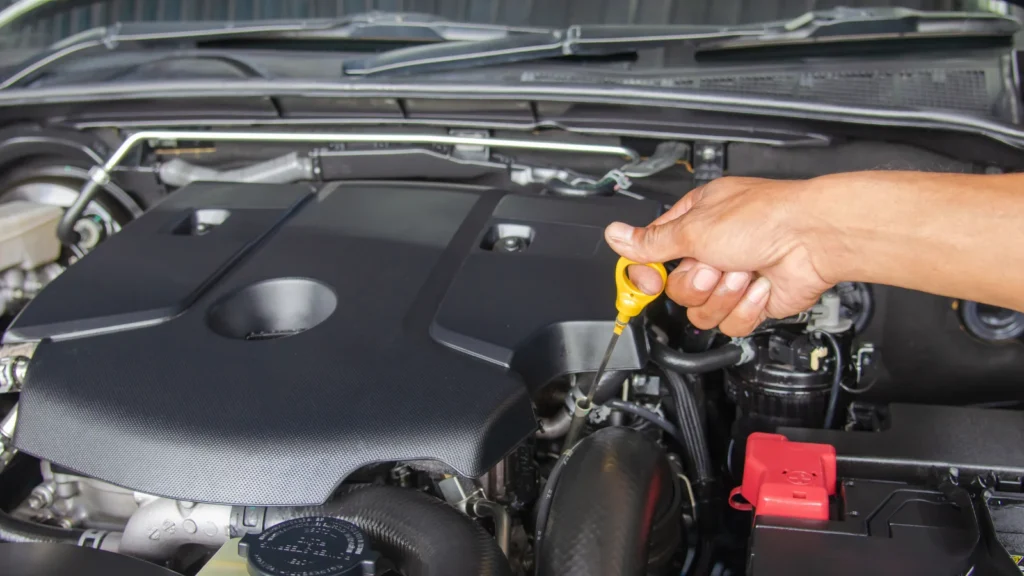
Engine oil is a vital lubricant that plays a significant role in the proper functioning of an automobile's engine. It helps reduce friction between moving parts, thus ensuring smoother operation and enhancing the engine's overall efficiency. Engine oil also serves to cool the engine components and prevent wear and tear, which could lead to costly repairs or premature engine failure. Therefore, regular checks on engine oil levels and quality are critical components of vehicle maintenance.
One of the primary functions of engine oil is to create a protective barrier between engine components, which minimizes metal-to-metal contact. This not only aids in the efficient operation of the engine but also extends its lifespan. Moreover, engine oil helps to disperse contaminants and carbon build-up, which are byproducts of combustion within the engine. To maintain optimal performance, vehicle owners must be aware of how often they need to change the oil to prevent any degradation in its effectiveness.
There are various types of engine oils available in the market today, each designed to meet specific needs and operating conditions. The main categories include conventional, synthetic, and synthetic blend oils. Conventional oil, derived from crude oil, is suitable for light-duty vehicles and requires more frequent changes. On the other hand, synthetic oils offer enhanced performance in extreme temperatures and are engineered for high-performance vehicles. Synthetic blend oils, which are a mixture of both types, offer better protection and performance than conventional oils without the higher cost of fully synthetic options.
Understanding the different types of engine oils and their functions is crucial for vehicle maintenance. Using the right oil at the right intervals is essential to ensure optimal engine performance and longevity.
Why Regular Engine Oil Checks are Necessary
Regular checks of your engine oil are critical for maintaining the overall health and performance of your vehicle. Engine oil acts as a lubricant for the moving parts of the engine, ensuring that components do not grind against each other, which can lead to excessive wear and tear. When oil levels drop below recommended standards, the lubrication diminishes, increasing the risk of engine overheating. If an engine overheats, it might suffer severe consequences, including engine failure and costly repairs.
Neglecting to check your engine oil regularly can also lead to decreased fuel efficiency. Dirty or low oil does not provide optimal performance, which forces the engine to work harder, thus consuming more fuel. This inefficiency can result in higher fuel costs and a larger carbon footprint, adversely affecting both your wallet and the environment. Additionally, the modern engine requires proper oil viscosity to function effectively. Failing to ensure that your oil is at the correct level may lead to suboptimal performance and reduced power output.
Furthermore, regular oil checks can uncover potential leaks or technical issues before they escalate into more significant problems. For instance, if you notice a drop in oil levels, it may indicate a leak or that the oil is being burned up excessively. Addressing these issues promptly can prevent further engine damage and save on repair costs in the long run. Establishing a schedule for when to change your oil is essential to ensuring your engine remains in peak condition. Therefore, committing to regular engine oil checks not only enhances your vehicle's performance but also prolongs its life.
When to Check Your Engine Oil
Ensuring your vehicle’s engine oil is at optimal levels is crucial for maintaining its performance and longevity. Regular checks allow you to catch potential issues early, preventing costly repairs down the line. So, when should you change your oil? Here are some recommendations on the best times to check your engine oil.
First, it's advisable to check your engine oil before embarking on long trips. The demands on your vehicle increase significantly during extended drives, which can lead to faster oil consumption and degradation. Ensuring your oil is at the proper level can help you avoid engine strain and potential damage while traveling.
Additionally, routine maintenance offers an excellent opportunity to check your oil. It is generally recommended to inspect your engine oil during regular service intervals, as outlined in your vehicle’s owner's manual. This preventative measure not only confirms the oil quality but also aligns with other maintenance services such as tire rotations and brake fluid checks.
Moreover, any noticeable changes in vehicle performance should prompt an immediate oil check. If you experience symptoms such as unusual noises, decreased fuel efficiency, or warning lights on your dashboard, these can be indicators of oil issues, including low levels or degradation. Acting quickly can prevent further complications.
In summary, checking your engine oil should become a habitual practice tied to specific events: before long trips, during scheduled maintenance, and anytime performance changes are noted. Adhering to these recommendations will help maintain engine health and overall vehicle performance.
Tools Needed to Check Engine Oil
To effectively check engine oil, it is essential to have the right tools at hand. The primary tools required for this task include an oil dipstick, a clean rag or paper towel, and potentially a funnel for adding new oil if necessary.
The oil dipstick is a crucial tool for measuring the level and condition of your engine oil. It is usually located near the engine and can be easily identified. Once the engine has cooled down, you can pull out the dipstick, wipe it clean with your rag or paper towel, and reinsert it to check the oil level. This process helps determine not only the quantity of oil present but also its quality, which is essential in answering the question, when should you change your oil? A clean rag or paper towel is necessary for ensuring accurate measurements each time you perform the check.
Additionally, a funnel may be required if your oil levels are low, allowing for a smooth refill without causing any spills. If you discover that the engine oil is dirty or low, be sure to have additional oil on hand to keep your engine functioning properly. Furthermore, as you conduct these checks, bear in mind how important it is to also check other essential fluids, such as what does brake fluid do, to maintain overall vehicle performance.
Having these tools ready allows for an efficient and accurate oil check. It is advisable to regularly check your engine oil to ensure your vehicle runs smoothly and to prolong its lifespan. By being prepared with the necessary tools, you take the first step toward responsible vehicle maintenance.
Step-by-Step Guide to Checking Engine Oil
Regularly checking your vehicle's engine oil is crucial for maintaining optimal engine performance and longevity. Below is a detailed, step-by-step guide on how to properly check your engine oil to ensure that your car runs smoothly.
Step 1: Prepare Your Vehicle
Before you begin, park your vehicle on a level surface and ensure the engine is off. It is essential that the engine has been turned off for a few minutes, allowing the oil to drain back into the oil pan. This ensures an accurate measurement.
Step 2: Locate the Dipstick
Open the hood of your car and locate the dipstick. The dipstick is typically a metal rod with a loop or T-handle on the end, distinctly marked for easy identification. It is often found near the engine, connected to a tube that leads into the engine oil pan.
Step 3: Remove the Dipstick
Pull the dipstick out of the tube carefully. Make sure to wipe it clean with a lint-free cloth or towel to remove any oil residue. This step is essential for obtaining an accurate reading of the oil level.
Step 4: Check the Oil Level
After cleaning the dipstick, reinsert it back into the tube fully and then remove it again for a proper reading. Observe the markings on the dipstick. They usually indicate the minimum and maximum oil levels. If the oil level is below the minimum mark, it is time to add more oil.
Step 5: Inspect Oil Condition
While checking the oil level, it is equally important to assess the oil’s condition. The oil should be smooth and slightly viscous, with a translucent amber color. If it appears dark, gritty, or has a burnt smell, it may need changing.
Maintaining proper engine oil levels is vital for your vehicle's performance. Regular checks can help you determine when should you change your oil? Addressing these signs early can prevent costly repairs and ensure safe driving.
Understanding Oil Quality and Condition
Assessing the quality of engine oil is vital for maintaining optimal vehicle performance and longevity. When conducting an oil check, there are several indicators that provide insights into the oil's condition.
First and foremost, the color of the oil can reveal much about its quality. Fresh engine oil typically has a golden or amber hue. As the oil ages and accumulates contaminants, it may darken, indicating a need for replacement. An excessively darkened oil may suggest that it is no longer effectively lubricating the engine or that it has absorbed too many particulates. If the oil appears black, this could be a sign of engine wear or contamination.
Viscosity, or the thickness of the oil, is another critical factor in determining oil quality. It is essential to check whether the oil maintains its viscosity at the operating temperature of the engine. If the oil is too thin, it may indicate that it has broken down due to excessive heat or chemical degradation. Conversely, if the oil seems too thick, it may fail to circulate properly under normal operating conditions. Thus, ensuring that the oil falls within the manufacturer’s specified viscosity range is crucial for engine health.
Another important aspect to consider is the presence of unusual particles or debris in the oil. When examining the oil, any metallic flakes, dirt, or sludge can point towards significant mechanical issues within the engine. The presence of such contaminants may signal that it is time to change the oil or inspect the engine for underlying problems. Regular oil checks not only help determine when should you change your oil? but also assist in proactive maintenance.
Therefore, by closely monitoring color, viscosity, and contaminants, vehicle owners can make informed decisions on oil maintenance, ultimately ensuring a smooth and efficient engine operation.
What to Do If Oil Levels Are Low
Discovering that your engine oil levels are low can be concerning, as insufficient oil can lead to severe engine damage over time. It is essential to address this issue promptly to ensure the longevity of your vehicle. The first step you should take is to safely add oil to the engine. Begin by parking your vehicle on a level surface and allowing the engine to cool down before checking the oil level using the dipstick. This ensures accuracy in reading the levels.
Once you confirm that the oil level is indeed low, you will need to choose the correct type of oil to add. Consult your vehicle's owner's manual for the manufacturer's specifications regarding the type of oil suitable for your engine. Different vehicles require different oil viscosities and grades; asking "when should you change your oil?" may also provide insights into the recommended intervals between oil changes. As a general rule, it is advisable to use the same type of oil that is currently in your engine to prevent any compatibility issues.
When adding oil, remove the oil filler cap and use a funnel to avoid spills. Slowly pour in the recommended oil while checking the dipstick regularly to ensure you do not overfill it. After you have added the necessary amount, replace the cap securely. Monitor your oil levels regularly to see if the engine continues to lose oil, which may indicate a potential leak or other issues requiring immediate attention. If you find that the oil levels are consistently low or if you are unsure about adding oil yourself, it is best to seek professional assistance. A qualified mechanic can diagnose and resolve any underlying problems effectively.
Troubleshooting Common Oil-Related Issues
Engine oil plays a crucial role in maintaining the performance and longevity of your vehicle. However, several common issues may arise with engine oil that can impact functionality. Understanding these problems is essential for effective engine maintenance.
One notable issue is oil leaks, which can often be identified by noticeable puddles of oil underneath the vehicle. These leaks may stem from damaged oil seals, gaskets, or other vulnerable components. To address this, conduct a thorough inspection of your engine’s oil pathways and connections. If the source of the leak is identified, it may be necessary to replace broken parts or seals. Regular checks on oil levels can prevent confusion about when should you change your oil?, as a consistent drop in levels may indicate an underlying issue.
Oil sludge buildup is another concern for vehicle owners. This dark, thick substance forms when the oil degrades and accumulates contaminants, significantly impairing engine efficiency. To combat sludge, consider conducting an engine flush, which involves replacing the old oil with high-quality oil designed to dissolve sludge, followed by a possible filter replacement. Regular oil changes, particularly at intervals suggested by your vehicle’s manufacturer, can help mitigate the risk of sludge formation.
In some scenarios, burnt oil can signify severe engine problems, such as worn-out piston rings or valve seals. If your oil appears dark and has a burnt smell, this can potentially lead you to inquire about when should you change your oil?. Routine monitoring of oil quality and timely changes can help protect your engine from damage.
Ultimately, addressing these oil-related concerns early can enhance your vehicle’s lifespan and performance. Remain vigilant and proactive in your maintenance routine to ensure a smoother driving experience.
Conclusion and Best Practices for Engine Oil Maintenance
Ensuring the optimal performance and longevity of your vehicle requires consistent attention to its engine oil. Keeping track of your oil levels and changing it periodically are paramount steps in car maintenance. In this guide, we have outlined the essential practices when it comes to checking engine oil, identifying when should you change your oil, and understanding the role oil plays in overall vehicle health.
To recap, regularly checking your engine oil should be part of your vehicle's maintenance routine. It is advisable to check the oil level at least once a month, or before long trips. The dipstick method, which involves pulling out the dipstick, wiping it clean, reinserting it, and then checking the level, is an effective way to ensure that your oil is at the right level.
When assessing your oil's appearance, look out for changes in color and texture; these indicators can signify potential issues. Additionally, keeping an eye on your vehicle’s oil change interval, which is often specified in the owner’s manual, ensures your engine operates smoothly and efficiently. Understanding what does brake fluid do can also enhance your knowledge of the vehicle’s overall fluid system, defining a more holistic approach to vehicle care.
It is vital to utilize a high-quality motor oil appropriate for your vehicle to prolong engine life and enhance performance. When considering your maintenance strategy, remember to respect the manufacturer's recommendations and environmental conditions that may necessitate more frequent oil changes.
In conclusion, adopting a routine for checking your engine oil and adhering to best practices will not only maintain engine performance but also increase the lifespan of your vehicle. Being proactive about vehicle maintenance helps you avoid costly repairs and ensures reliable performance on the road.
Leave a Reply