Basic Car Safety Checks: A Comprehensive Guide

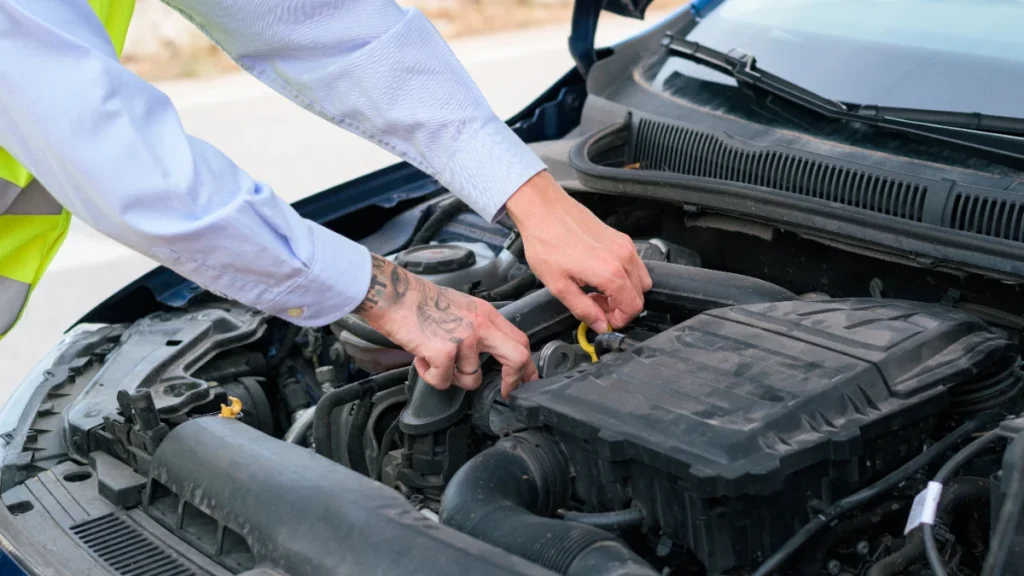
Regular car safety checks are an essential aspect of vehicle ownership that significantly contribute to the overall safety and reliability of your car. Vehicle safety inspections should be a top priority for motorists, as they can prevent accidents and enhance vehicle performance. By conducting thorough checks, owners can identify potential issues before they escalate into major problems, allowing for timely repairs and maintenance.
Implementing a car safety checklist—such as a pre-drive checklist or a daily vehicle inspection—enables drivers to systematically review their vehicles for crucial safety features. These inspections examine aspects like brakes, lights, tires, and fluid levels. The objective of establishing a comprehensive car inspection checklist is to ensure that every component of the vehicle is functioning optimally, thus minimizing the risk of breakdowns and accidents.
Additionally, performing regular vehicle safety checks can lead to significant cost savings over time. Early detection of mechanical issues often results in less expensive repairs compared to those required after severe problems develop. Furthermore, a vehicle that is well-maintained through systematic checks tends to have better fuel efficiency, enhancing financial savings on fuel expenses.
A car safety inspection checklist serves as a pragmatic tool, helping drivers stay organized and vigilant about their vehicle’s condition. Incorporating these checks into a routine schedule promotes awareness among drivers, further positively impacting road safety as a whole. By recognizing the importance of regular car safety checks, vehicle owners empower themselves to maintain their cars in peak condition. This proactive approach to vehicle management safeguards both the driver and others on the road, creating a safer driving environment for everyone.
Understanding the Key Components of Car Safety
When it comes to ensuring optimal vehicle safety, a thorough understanding of key components is vital. Each aspect contributes significantly to the overall functionality and safety of a vehicle. Regularly performing a vehicle safety inspection is crucial to maintain these components and to enhance the longevity of the vehicle.
Tires are one of the primary elements in a car safety checklist. Regular checks of tire pressure, tread depth, and overall condition can prevent blowouts and enhance traction, especially in adverse weather conditions. A tire with inadequate tread can severely limit grip on the road, increasing the risk of accidents.
Next, the braking system is equally essential for ensuring safe driving. A thorough inspection of brakes should include checking brake fluid levels, assessing the condition of the brake pads, and evaluating the responsiveness of the braking system. Failure to address braking issues can lead to compromised stopping power, endangering both the driver and other road users.
Lighting systems, including headlights, brake lights, and turn signals, are also critical components of vehicle safety checks. A regular vehicle safety check should ensure that all lights are functional, as they are pivotal for visibility during nighttime traffic and adverse weather, as well as for signaling other drivers.
The battery is another vital component that warrants attention during a pre-trip inspection checklist. A weak or failing battery can lead to vehicle breakdowns and should be inspected periodically for corrosion and charge levels.
Finally, regular assessments of fluid levels—including engine oil, coolant, brake fluid, and windshield washer fluid—ensure that the vehicle operates smoothly and safely. Adequate fluid levels help in preventing engine overheating and maintaining the effectiveness of braking systems.
By adhering to a comprehensive car inspection checklist that includes these components, drivers can significantly reduce their risk of accidents and ensure their vehicles are safe for the road. This holistic approach not only augments personal safety but also promotes a sustainable vehicle maintenance regimen.
Tire Inspection and Maintenance
Proper tire maintenance is a crucial aspect of vehicle safety checks that directly impacts handling, fuel efficiency, and overall performance. Regular inspections are essential for ensuring that tires are in optimal condition. The first step is to check the tire pressure, which should be done at least once a month and before long trips. Most vehicles have a recommended tire pressure listed on a sticker inside the driver's door or in the owner’s manual. Maintaining correct tire pressure is not only vital for safety but also enhances fuel efficiency and extends the life of the tires.
Next, tread depth is an important indicator of tire health. Insufficient tread can lead to reduced traction, especially in wet or slippery conditions. A common method for checking tread depth is the penny test. Insert a penny into the tread with Lincoln’s head facing down; if you can see all of Lincoln's head, it’s time to replace the tire. Ideally, tires should have no less than 2/32 inch of tread remaining for safe driving.
In addition to pressure and tread depth, regularly inspecting tires for signs of damage such as cracks, bulges, or objects embedded in the rubber is vital. These could indicate potential issues that may lead to tire failure. Furthermore, maintaining correct alignment and routine tire rotation (generally every 5,000 to 7,500 miles) is critical for promoting even wear on the tires, thus extending their lifespan and ensuring a smoother ride. Incorporating these checks into a car maintenance checklist can help ensure your vehicle is always prepared for the road. Overall, a thorough vehicle safety inspection, including tire maintenance, is a fundamental part of a comprehensive car safety checklist.
Brake System Checks
Ensuring that your brake system is in optimal condition is paramount in maintaining vehicle safety. A fundamental component of any car inspection checklist is evaluating the brake system, as it is essential for the safe operation of the vehicle. Regular vehicle safety inspections should include a thorough assessment of various brake components such as the brake pads, rotors, and fluid levels.
To start, begin with an examination of the brake pads. Worn brake pads can significantly reduce stopping power, increasing the risk of accidents. It is advisable to inspect them regularly and replace them if they are less than a quarter inch thick. Furthermore, during your daily vehicle inspection, listen for any unusual sounds during braking, like squeaking or grinding, which can indicate that the pads need immediate attention.
The next step in your pre-drive checklist involves checking the brake fluid levels. Engaging in regular vehicle safety checks requires ensuring that the brake fluid reservoir is filled to the appropriate level. Low brake fluid can lead to compromised braking capabilities, making it essential to monitor this level regularly.
Finally, test the overall responsiveness of the brakes while driving. During your pre-trip inspection checklist, ensure that the brakes engage smoothly without any lag or abnormal behavior. If you notice that the pedal feels spongy or requires excessive pressure, it could be indicative of air in the brake lines or other system failures.
In conclusion, conducting a thorough assessment of the brake system is a vital aspect of the car safety checklist. By incorporating these checks into your regular routine, you can ensure the integrity of your vehicle's braking system, thereby enhancing the safety of both the driver and passengers.
Light and Signal Functionality
Ensuring that a vehicle's lighting and signaling systems are functioning properly is crucial for the safety of both the driver and other road users. The car safety checklist should include checks for all lights, including headlights, brake lights, turn signals, and hazard lights. Each component plays a significant role in vehicle safety and communication on the road.
To conduct a thorough vehicle safety inspection, start with the headlights. Check for alignment and functionality by turning them on and verifying visibility from a distance. It's important to ensure that both high and low beams are operational, as poor visibility can lead to accidents, especially during nighttime or adverse weather conditions.
The next step in a pre drive checklist involves examining the brake lights. These lights are essential for signaling to the vehicles behind you when you are stopping. To verify their functionality, you can ask a friend to observe whether the lights activate properly when you depress the brake pedal. If any brake lights are out, it is imperative to replace them before driving, as this can significantly impact safety.
Turn signals are another key element in vehicle safety checks. They are crucial for informing other drivers of your intentions to change lanes or make a turn. A simple way to test these is to activate the signal indicators and walk around the vehicle to confirm that all lights are functioning correctly. Faulty turn signals can lead to confusion and increase the risk of collisions.
Finally, hazard lights must also be checked as part of a car maintenance checklist. These lights alert other drivers when your vehicle is temporarily disabled or when you are in a hazardous situation. Proper functionality of hazard lights is essential to ensure visibility for other motorists.
In conclusion, regular checks of your vehicle's lights and signals should be a non-negotiable part of the daily vehicle inspection. Properly functioning lights are vital for your safety and the safety of others on the road. Regularly reviewing your car safety inspection checklist will help you maintain these critical features in optimal condition.
Battery Health Assessment
The integrity of a vehicle's battery plays a critical role in its overall safety and performance. Regular assessments of battery health are essential, as they can directly impact various safety features, such as ignition and electrical systems. To ensure optimal functioning, it is important to conduct a thorough vehicle safety inspection, focusing specifically on the battery.
Begin by visually inspecting the battery for any signs of corrosion, which usually appears as a white, powdery substance around the battery terminals. This corrosion can impede electrical flow and should be cleaned off using a mixture of baking soda and water. It is also vital to check that the connections to the battery are secure. Loose or corroded terminals can lead to voltage drops that affect your vehicle's operation. If you notice any excessive looseness or fraying in the cables, replacement may be warranted.
Additionally, routine battery voltage testing is a crucial aspect of the car maintenance checklist. A fully functional battery should deliver around 12.6 volts when the vehicle is off and 13.7 to 14.7 volts when the engine is running. If readings fall significantly below these thresholds, it may signal that the battery is weakening and needs to be investigated further. Also, consider the age of the battery; most batteries have a lifespan of about three to five years, and prolonged use beyond this period can increase the likelihood of unexpected breakdowns.
Incorporating a battery health assessment into your daily vehicle inspection routine or your pre trip inspection checklist can help detect potential issues before they escalate. By maintaining vigilant oversight of battery health, drivers can ensure that their vehicle not only operates effectively but also remains safe on the road.
Fluid Levels and Condition
Ensuring that your vehicle’s fluid levels are adequately maintained is a fundamental component of a comprehensive car safety checklist. Regular vehicle safety inspections should include checking essential fluids such as engine oil, coolant, brake fluid, and windshield wiper fluid. Each fluid plays a critical role in the performance and safety of the vehicle.
Starting with engine oil, this fluid is crucial for lubricating the engine components, reducing friction, and ensuring efficient operation. A low or degraded oil level can lead to engine wear or even severe damage. Regularly checking the oil using the dipstick helps you assess its level and condition. A car inspection checklist should specify the recommended oil change intervals based on your vehicle’s manufacturer guidelines.
Next is the coolant, which is vital for regulating engine temperature. Insufficient coolant levels can lead to overheating, putting the engine at risk. A pre-trip inspection checklist should include checking the coolant reservoir to ensure it is filled to the recommended level and that the fluid is not contaminated or compromised.
Brake fluid is another critical fluid requiring attention during daily vehicle inspections. It is essential to maintaining brake performance; low brake fluid levels may indicate a leak or worn brake components. Routine checks should ensure that the brake fluid reservoir is sufficiently filled and the fluid is clear and free of contaminants.
Lastly, windshield wiper fluid is integral for maintaining visibility during adverse weather conditions. Having a full reservoir will aid in keeping your windshield clear and safe. Neglecting this fluid can lead to hazardous driving situations.
In conclusion, performing regular checks on these vital fluids not only supports optimal vehicle performance but also enhances overall road safety. Incorporating these checks into your vehicle safety inspection routine is an essential practice for all drivers.
The Role of Regular Maintenance
Ensuring the longevity and reliability of your vehicle necessitates a commitment to regular maintenance. A well-structured car safety checklist should incorporate various aspects of vehicle care, including routine oil changes, tune-ups, and comprehensive inspections performed by a qualified mechanic. These vehicle safety checks are vital not just for improving performance but also for averting potential hazards.
One crucial component of vehicle maintenance is the oil change, which should be conducted at intervals specified by the manufacturer. Regular oil changes help maintain engine lubrication, enhancing overall performance and efficiency. Additionally, neglecting this essential service may lead to engine wear or, in worst-case scenarios, engine failure, resulting in hazardous driving conditions.
Tune-ups also form a significant part of the necessary car maintenance checklist. These services typically include replacing spark plugs, inspecting the ignition system, and checking fuel injectors. A properly maintained engine not only operates smoother but also minimizes harmful emissions, which contribute to environmental concerns.
Vehicle safety inspections serve as a critical preventative measure, ensuring that vital components such as brakes, tires, and steering systems function efficiently. Incorporating a pre trip inspection checklist ensures all necessary checks are performed before embarking on a journey, helping to identify potential issues that could compromise safety.
Furthermore, working with a qualified mechanic provides an added layer of assurance. Regular visits allow for professional assessments and can catch problems before they escalate into more severe risks. In essence, committing to a consistent routine of vehicle safety inspections and maintenance can drastically reduce the likelihood of accidents caused by mechanical failure, ensuring a safer experience for both the driver and passengers.
Conclusion and Call to Action
In today's fast-paced world, ensuring vehicle safety is paramount for all drivers. Regular adherence to a car safety checklist is essential for maintaining your vehicle's integrity and enhancing your own safety on the road. The significance of a comprehensive vehicle safety inspection cannot be overstated; it serves as a proactive measure to identify potential issues before they escalate into serious problems. Utilizing a detailed car inspection checklist can streamline this process, helping drivers to effectively monitor the condition of their vehicles.
Among the various types of vehicle safety checks, the pre drive checklist stands out as a practical tool that should be a part of your daily routine. By performing these daily vehicle inspections, you can ensure that essential components such as brakes, tires, lights, and fluid levels meet safety standards. Furthermore, a thorough pre trip inspection checklist should be conducted whenever you embark on long journeys, safeguarding yourself and your passengers against unforeseen breakdowns.
Moreover, establishing a solid car maintenance checklist will help you keep your vehicle in optimal shape over time. Regular maintenance not only prolongs the life of your car but also enhances its performance and safety features. As such, it is crucial that drivers adopt a diligent attitude toward these vehicle safety checks to ensure a secure driving experience.
We encourage you to integrate car safety checks as a habit into your routine. For a more in-depth understanding, consider seeking resources and professional assistance for vehicle inspections. By prioritizing these practices, you are not only protecting yourself but also contributing to a safer driving environment for everyone on the road.
Leave a Reply