Parking Rules Every Driver Should Know

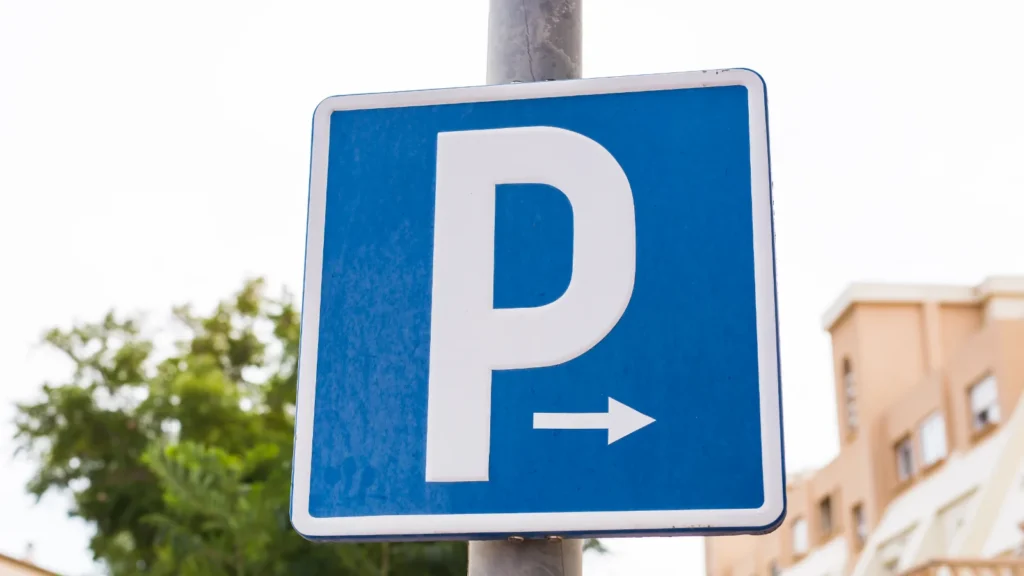
Parking rules are a set of regulations that govern how and where vehicles can be parked on public and private property. These rules are essential for all drivers, as they ensure safety, enhance accessibility, and promote an orderly flow of traffic. Understanding and adhering to parking regulations can significantly reduce the risk of accidents and improve the overall driving experience for everyone on the road.
One of the key benefits of following parking rules is the increased safety they provide. Properly regulated parking minimizes the chances of obstructing traffic flow, which can lead to dangerous situations. For instance, parking in designated spots ensures that emergency vehicles can maneuver easily through crowded streets. Moreover, well-established parking guidelines help pedestrians navigate busy areas safely, as sidewalks and pedestrian pathways remain clear of parked vehicles.
Another advantage of adhering to parking regulations is enhanced accessibility. Many cities implement specific parking areas for individuals with disabilities, ensuring that all members of the community can access essential services and amenities effortlessly. Parking rules are crucial in maintaining these spaces' availability, thus supporting inclusivity within the urban environment.
Despite their importance, numerous misconceptions surrounding parking regulations persist. Some drivers mistakenly believe that parking violations are trivial, failing to recognize the potential consequences of ignoring these rules. Additionally, there is often confusion regarding the varying regulations enforced in different areas. Local authorities frequently update their parking rules to adapt to changing traffic patterns, highlighting the need for drivers to stay informed about their region's specific regulations.
In summary, parking rules play a crucial role in ensuring public safety, accessibility, and overall traffic management. Understanding and complying with these regulations is essential for a harmonious driving experience and promoting a well-organized community.
Types of Parking Zones
Parking zones are an essential aspect of urban planning and traffic management, designed to maximize accessibility while ensuring the orderly use of road space. Different types of parking zones cater to various needs, and understanding them is crucial for every driver to comply with parking rules.
One primary type of parking zone is the residential zone. These areas are designated for residents living in the vicinity, and the parking rules often include restrictions on non-residents parking during specific hours. Often marked with signs indicating the time limits or permit requirements, it is vital for drivers to check local regulations to avoid penalties.
Commercial parking zones also play an important role in urban areas, tailored to facilitate access to businesses and services. These zones typically have time-limited parking rules to ensure turnover, allowing multiple customers to access retail establishments without long-term occupation of the same space. It's essential for drivers to respect these limitations to support local businesses and avoid any fines.
Specialty parking zones cater to specific groups, such as handicapped individuals, who are provided with reserved spaces closer to building entrances to accommodate their needs. These designated zones are marked with clear signage and often require a valid permit displayed on the vehicle. Additionally, loading zones are intended for the temporary parking of delivery vehicles. The parking rules for these areas typically allow only short durations to facilitate efficient loading and unloading operations.
In summary, each type of parking zone has specific rules designed to meet community needs. By familiarizing themselves with residential, commercial, and specialty zones, drivers can navigate urban environments more effectively while adhering to crucial parking rules, ultimately promoting a smoother traffic flow and enhanced public accessibility.
Understanding Parking Signs and Markings
Being familiar with parking signs and markings is essential for any driver, as they play a crucial role in maintaining order on our roads and ensuring compliance with parking rules. Different signs denote various parking restrictions and regulations that must be adhered to by drivers. For instance, a 'No Parking' sign indicates areas where parking is strictly prohibited, often to ensure unobstructed access for emergency services or to maintain traffic flow.
Additionally, signs that state 'Permit Required' are commonly placed in residential areas or public lots where only authorized vehicles can park. Often, these permits are issued to residents or businesses, allowing them exclusive rights to parking spaces. It is important for drivers to observe such signs, as unauthorized parking can lead to fines or the towing of vehicles.
Also notable are time-restricted parking signs, which inform drivers of the specific hours during which parking is permitted or prohibited. These signs could indicate various timeframes, such as 2-hour parking from 8 AM to 6 PM on weekdays, suggesting that after this time, parking may be allowed without restriction. Understanding the details outlined on these signs is paramount, as they are put in place to ensure that parking spots are available for the community at appropriate times.
Moreover, road markings also hold significant importance in conveying parking rules. Painted lines, whether solid or broken, indicate designated parking spots, lanes, and boundaries. Drivers should pay close attention to colors and symbols used, as they often denote whether a space is meant for general parking, disabled parking, or other designations. Adhering to these visual cues can help drivers avoid potential fines and improve overall compliance with established parking rules.
The Importance of Parking Permits
Parking permits are essential documents that grant drivers permission to park their vehicles in specific areas, especially where parking is heavily regulated. These permits can be required in residential zones, commercial areas, or public spaces where parking rules are strictly enforced to maintain order and accessibility. Understanding the specific parking rules related to permits is vital for all drivers to avoid potential fines and penalties.
Typically, residents or frequent visitors of certain neighborhoods require parking permits to ensure they have designated parking spots available. These permits are often issued by local authorities and may vary in type, such as residential, visitor, or commercial permits, each serving distinct purposes. For example, a residential parking permit allows residents of a designated area to park their vehicles without facing time limitations that apply to non-residents.
Failure to display a valid permit in designated parking areas can result in significant consequences, including fines, towing, or even a permanent ban from parking in those locations. Such measures underscore the importance of adhering to local parking rules and obtaining the necessary permits where applicable. To facilitate proper parking management, local municipalities may utilize different methods for permit distribution, including online applications, in-person requests, or postal services. Typically, drivers will need to provide proof of residency or an affiliation with the area to successfully acquire a permit.
In conclusion, understanding the various aspects of parking permits—including who needs them, how to obtain them, and the consequences of parking without one—plays a critical role in promoting compliance with established parking rules. By ensuring that proper permits are obtained and adhered to, drivers can avoid unnecessary complications while contributing to efficient traffic management in their communities.
Consequences of Ignoring Parking Rules
Parking rules are established to ensure the orderly management of public and private spaces, allowing for safe and efficient vehicle movement. However, the neglect or breach of these regulations can have significant consequences for drivers. One of the most immediate repercussions of ignoring parking rules is the issuance of fines. Local authorities often deploy parking enforcement officers who regularly patrol streets and parking lots to issue tickets to violators. These fines can vary significantly depending on the jurisdiction and the severity of the infraction. Regular offenders may find themselves dealing with escalating penalties over time.
In addition to monetary fines, failing to adhere to parking regulations can also result in the towing of one’s vehicle. Many municipalities have strict towing ordinances, especially in areas where illegal parking can obstruct traffic flow or create safety hazards. When a vehicle is towed, not only must the driver pay fines related to the infraction, but they are also responsible for the towing fees and storage charges incurred while the vehicle is impounded. This can lead to an unexpectedly high financial burden.
Furthermore, habitual disregard for parking rules can lead to more severe legal implications. In some cases, repeated violations may attract the attention of law enforcement and result in a court appearance. Accumulating numerous parking tickets can also adversely affect one’s driving record and, in some instances, future insurance premiums may increase if insurers perceive the driver to be a higher risk. Compliance with parking rules is not just a matter of civic responsibility; it entails avoiding potential legal ramifications that can have lasting implications on a driver’s finances and legal standing.
Special Considerations for Handicapped Parking
Handicapped parking is a critical aspect of creating an accessible environment for individuals with disabilities. The designated spaces are specifically marked and reserved for those who possess a valid handicapped parking permit. These permits ensure that individuals with mobility challenges can access facilities with greater ease.
To qualify for a handicapped parking permit, an individual must meet certain criteria established by regulatory authorities. Typically, this includes having a disability that significantly limits mobility, such as the inability to walk without assistance or the use of a wheelchair. It is important for drivers to understand that the fraudulent use of a boarding permit—such as borrowing someone else’s permit or using a placard that has expired—can lead to legal consequences. Penalties for misusing these parking privileges can range from hefty fines to the potential vehicle impoundment, underscoring the importance of adhering to parking rules.
Furthermore, it is important to note that handicapped parking spaces are often strategically located closer to building entrances, providing essential access for those in need. Drivers should also be aware that these spaces are not only limited to cars but can include designated areas for vans equipped with ramps or lifts. It is imperative that all drivers respect these spaces by ensuring they are free from unauthorized vehicles, thus promoting fairness and accessibility.
In conclusion, compliance with handicapped parking rules is not merely a legal obligation, but a moral one that upholds the dignity and rights of individuals with disabilities. Understanding the specific criteria and being mindful of the implications of misusing these spaces will contribute to a more inclusive society for all drivers.
Parking Etiquette: Tips for Responsible Drivers
In the realm of driving, one of the fundamental aspects that often goes unnoticed is the importance of proper parking etiquette. Adhering to parking rules is crucial not only for ensuring compliance with laws but also for fostering a respectful and considerate driving culture. Understanding the unwritten guidelines associated with parking can significantly enhance the experience for all drivers.
First and foremost, it is essential to be mindful of neighboring vehicles when parallel parking or occupying a parking space. Ensuring there is sufficient space between cars promotes safety and accessibility for every driver, particularly in crowded areas. This also applies to when one is exiting a vehicle; opening doors abruptly without checking nearby cars can cause unintentional damage.
Next, in busy urban environments, prioritizing organized parking practices can alleviate congestion. Utilizing designated parking lots or garages, when available, is advisable. Additionally, when parking on the street, it is important to check for any signs that indicate specific parking rules; failure to do so can result in fines or ticketing. Drivers should also be considerate of time limits imposed on parking spots as exceeding allocated time may inconvenience others.
Moreover, it's vital to respect both public and private property. When an area clearly indicates parking restrictions, compliance is not only respectful but also a legal obligation. Parking in intended zones avoids frustrating interactions with property owners and helps maintain good community relations. Furthermore, consideration should be given to the parking needs of persons with disabilities by ensuring designated spots are left available for their use.
By practicing responsible parking behaviors such as respecting neighboring vehicles, following posted regulations, and acknowledging the rights of property owners, drivers can greatly contribute to a more harmonious parking atmosphere. Overall, being aware of parking etiquette is a reflection of one's commitment to responsible driving and can lead to fewer disputes and enhanced road safety.
How to Handle Parking Disputes
Parking disputes can arise in various scenarios, often leading to tension between drivers, property owners, or even law enforcement. Understanding how to effectively manage these situations is crucial for maintaining order on the road and ensuring compliance with parking rules. Firstly, if you find yourself in a disagreement with another driver over parking, it is imperative to remain calm. Engaging in a heated exchange can escalate the situation and lead to further complications.
When addressing the issue, attempt to communicate politely and clearly. Express your concerns without becoming confrontational. It is essential to listen to the other party's perspective as well, as misunderstandings are common in parking scenarios. If the dispute cannot be resolved amicably through conversation, consider documenting the situation with photographs of the parked vehicles, any signs indicating parking regulations, and the surrounding area.
In circumstances where a property is involved, such as a private parking lot, it is advisable to identify the owner or the management. Often, property owners have established parking rules that must be followed, and understanding these can provide clarity in managing the conflict. If the owner is unavailable, you may need to leave a note with your contact information for follow-up discussions.
If necessary, do not hesitate to involve local authorities. They are equipped to handle disputes relating to parking violations and can provide impartial judgment based on existing parking rules. However, be cautious when involving law enforcement; this should be reserved for situations where there is a clear violation or potential for harm.
In conclusion, navigating parking disputes requires a blend of communication, documentation, and understanding of parking regulations. By remaining calm and seeking resolution through dialogue and appropriate channels, drivers can minimize conflict and ensure compliance with established parking rules.
Conclusion and Best Practices
In reviewing the key parking rules that every driver should be aware of, it becomes evident that understanding these regulations is critical for maintaining not only personal safety but also the safety of all road users. Compliance with local parking rules helps to minimize traffic congestion, reduces the risk of accidents, and nurtures an orderly flow of vehicles in public spaces. Simple adherence to these regulations can significantly enhance the driving experience for everyone involved.
Best practices for drivers include familiarizing themselves with specific parking regulations applicable in their area. This can involve reviewing local ordinances, understanding parking meter operation, and recognizing the meaning of signs that indicate parking restrictions. Additionally, ensuring that one's vehicle is parked in designated areas will help to avoid fines and towing. It is also advisable to routinely check for any temporary signs or changes in regulations that may affect parking availability.
Drivers should always seek to park away from pedestrian walkways and fire hydrants to promote safety and accessibility. Prioritizing the use of marked parking spaces, especially for disabled individuals, contributes significantly to an inclusive community. Implementing these best practices fosters a clearer understanding of proper parking etiquette, which ultimately leads to a more harmonious relationship among drivers, pedestrians, and local authorities.
In conclusion, by integrating a strong awareness of parking rules into everyday driving habits, individuals can contribute to a safer and more organized environment for everyone. Ensuring that each journey begins and ends with responsible parking choices is essential for the well-being of the community.
Leave a Reply