Understanding Correct Tire Pressure: A Comprehensive Guide

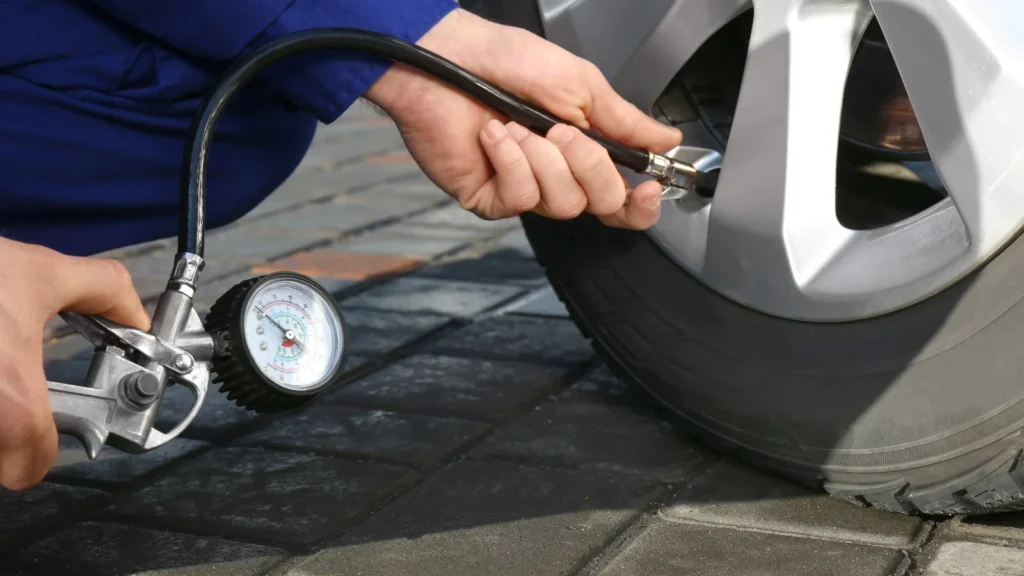
Tire pressure is a crucial aspect of vehicle maintenance that significantly influences the safety, performance, and efficiency of a vehicle. Maintaining the correct tire pressure is essential for achieving optimal performance on the road. Under-inflated or over-inflated tires can lead to various issues, including decreased fuel efficiency, poor handling, and traction problems. Hence, understanding tire pressure is vital for all vehicle owners.
Every vehicle is designed with specific tire pressure recommendations that can typically be found in the owner’s manual or indicated on a sticker located inside the driver’s door frame. These specifications are influenced by various factors, including the vehicle's weight, load capacity, and manufacturer recommendations. Regularly checking tire pressure ensures that the tires maintain the necessary inflation to support the vehicle's weight while providing adequate traction.
Moreover, driving with incorrect tire pressure not only compromises safety but can also affect tire longevity. Tires that are consistently operated below the recommended pressure are prone to heightened wear and may need replacing sooner than expected. Conversely, over-inflation can lead to a harsher ride and increased risk of tire blowout. Therefore, it is important to recognize how to maintain the correct tire pressure and understand when should you replace your tires.
In addition to safety concerns, maintaining proper tire pressure can enhance fuel efficiency. An optimal tire pressure reduces rolling resistance, which in turn can lead to improved fuel economy. As vehicles operate with the correct inflation, they encounter less drag, allowing for smoother travel.
What is Tire Pressure?
Tire pressure is the measure of the air that is contained within a tire, expressed in pounds per square inch (PSI). It is a crucial aspect of vehicle maintenance, as it can significantly impact safety, performance, and fuel efficiency. Proper tire pressure helps ensure that a vehicle handles correctly, maximizes tread life, and minimizes the risks associated with tire blowouts or poor handling under various driving conditions.
The fundamental principle behind tire pressure lies in the balance of forces acting on the tire. When a tire is inflated to the recommended PSI, it maintains an optimal shape that allows for effective contact with the road surface. Insufficient tire pressure can lead to excessive flexing, resulting in increased wear on the tire’s sidewalls and an elevated risk of overheating. Conversely, overinflation can lead to reduced traction, as the tire's footprint with the road is minimized, which may impair handling and increase stopping distances.
It is important to note that tire pressure should be checked regularly, as fluctuations can occur due to temperature changes or normal wear and tear. To determine the correct tire pressure, one should refer to the vehicle’s owner manual or the placard typically found on the driver’s side door jamb. The correct tire pressure may vary depending on factors such as load and driving conditions.
To maintain the performance and longevity of tires, drivers must be vigilant about tire pressure. Understanding what tire pressure is and its implications helps ensure that vehicles are operating as intended, which includes knowing when to replace your tires, as worn tires can also affect pressure maintenance.
The Importance of Correct Tire Pressure
Maintaining the correct tire pressure is a fundamental aspect of vehicle safety and performance. One of the key benefits of ensuring your tires are inflated to the recommended levels is the significant reduction in the risk of blowouts. Tires that are under-inflated are more prone to overheating, which increases the likelihood of a sudden tire failure. Proper tire pressure helps the tires maintain their structural integrity, providing better control of the vehicle, especially during adverse driving conditions.
Furthermore, the correct tire pressure directly impacts fuel efficiency. When tires are inflated adequately, they reduce rolling resistance on the road. This means that the engine does not have to exert as much effort to move the vehicle, which can lead to improved gas mileage. On average, driving with under-inflated tires can reduce fuel efficiency by approximately 0.2% for every 1 PSI drop in tire pressure. Thus, by regularly checking and maintaining proper inflation, vehicle owners can save on fuel costs while contributing to a reduced carbon footprint.
Additionally, correct tire pressure plays a vital role in enhancing tire longevity. Tires that are inflated properly tend to wear more evenly and last longer than those that are not. Uneven tire wear from improperly inflated tires can lead to the need for premature replacement, which is not only an additional expense but also a waste of resources. It is essential for drivers to understand when should you replace your tires, and one of the best ways to delay this necessity is through regular maintenance of tire pressure. By ensuring each tire is at its optimal inflation level, drivers can enjoy a safer, more efficient, and cost-effective driving experience.
How to Check Tire Pressure
To ensure optimal vehicle performance and safety, knowing how to check tire pressure is essential. The first step in this process is gathering the necessary tools, primarily a tire pressure gauge. This device allows you to measure the air pressure within your tires accurately.
Before embarking on your tire pressure checking journey, it is crucial to ensure that you perform this task when the tires are cold. Tire pressure can increase when the tires are heated through driving, which may result in inaccurate readings. Ideally, you should check tire pressure after the vehicle has been stationary for several hours or after a short drive, allowing the tires to cool down.
Once you have your tire pressure gauge and your tires are at the appropriate temperature, follow these simple steps. Begin by locating the valve stem on each tire, which is typically found on the outer edge of the wheel. Remove the valve cap and keep it in a safe location. Next, press the tire pressure gauge onto the valve stem firmly. You should hear a brief hissing sound as the air escapes, which is normal.
After a moment, the gauge will supply a reading of the tire pressure. Compare this reading to the manufacturer's recommended tire pressure found on the driver’s side door jamb or in the vehicle’s owner manual. If the measured pressure deviates from the recommended values, it may be necessary to either inflate or deflate the tire accordingly. Maintaining the correct tire pressure not only enhances driving comfort but also significantly extends the lifespan of your tires.
Regularly checking your tire pressure is a crucial aspect of vehicle maintenance that can prevent wear and ensure safe driving conditions. Additionally, understanding when should you replace your tires can help avoid dangerous situations that may arise from improper tire management.
Recommended Tire Pressure Levels
Understanding what is the correct tire pressure is crucial for maintaining vehicle safety and performance. The recommended tire pressure can vary significantly depending on the vehicle type, tire specifications, and driving conditions. Usually, this information can be found in two primary locations: the vehicle's owner manual and the tire placard, which is typically located on the driver's side door frame or inside the trunk lid. These sources provide specific PSI (pounds per square inch) recommendations that should be adhered to for optimal tire health.
For passenger cars, the recommended tire pressure often ranges between 30 and 35 PSI. For SUVs and trucks, the recommended levels might be higher, often between 35 and 45 PSI, depending on the load capacity. It is essential to consult the vehicle's owner manual to ensure accurate pressure levels suited for the particular model, as different manufacturers may have distinct recommendations.
In addition to the standard tire pressure recommended for normal driving conditions, it is also important to consider that tire pressure can be affected by temperature fluctuations and load changes. For example, tires will lose approximately 1 PSI for every 10 degrees Fahrenheit drop in temperature. Likewise, if the vehicle is carrying a heavier load than usual, the tire pressure may need to be adjusted higher to compensate. Thus, regularly checking the tires can help maintain the correct pressure across varying conditions.
By adhering to the recommended tire pressure levels, you not only extend the life of your tires but also enhance your vehicle's fuel efficiency and handling performance. Therefore, knowing when should you replace your tires is equally important to ensure that they are in optimal condition, as worn-out tires can significantly impact overall safety and performance.
Factors Affecting Tire Pressure
Tire pressure is not a static attribute and is subject to change influenced by several external and internal conditions. Understanding what is the correct tire pressure? for your vehicle can help ensure safety and optimal vehicle performance.
One of the most significant factors affecting tire pressure is temperature. As the ambient temperature fluctuates, the air inside your tires expands or contracts, leading to variations in pressure. Typically, tire pressure decreases by approximately 1 PSI for every 10-degree Fahrenheit drop in temperature. Conversely, heat from driving can also increase tire pressure. Regular checks, especially during seasonal changes, are critical to maintaining appropriate levels and avoiding the pitfalls of under-inflated or over-inflated tires.
Another important aspect to consider is tire wear and tear. Over time, tires lose air due to small punctures or damage to the sidewalls. Regular inspections are vital for identifying such issues before they escalate. Additionally, worn tires may have uneven pressure distribution, necessitating adjustments to your tire settings. Addressing when should you replace your tires is essential not only for safety but also for maintaining proper tire pressure.
Furthermore, driving conditions play a crucial role in tire pressure. For instance, frequently driving on rough or uneven surfaces can cause tires to lose air more rapidly. Additionally, carrying heavy loads impacts tire pressure, as increased weight can lead to fluctuations necessitating regular monitoring. Adapting your tire pressure based on the load and driving conditions can enhance tire longevity and ensure safe driving.
Awareness of these factors is integral to maintaining the correct tire pressure. Understanding the dynamics of temperature, tire wear, and driving conditions enables effective management of tire pressure, ensuring safety and efficiency on the road.
Consequences of Incorrect Tire Pressure
Maintaining the correct tire pressure is crucial for the overall safety, performance, and longevity of a vehicle. When the tire pressure is too high or too low, it can lead to several detrimental effects that compromise handling, increase tire wear, and reduce fuel efficiency.
Firstly, low tire pressure can have a significant impact on handling capabilities. Under-inflated tires have a larger contact patch with the ground, leading to increased rolling resistance. This condition can result in reduced steering precision and vehicle stability, making it challenging for drivers to maintain control, especially during abrupt maneuvers or adverse weather conditions. On the other hand, over-inflated tires can also adversely affect handling. With a smaller contact area, they may contribute to decreased traction, especially on wet or slippery surfaces.
Moreover, incorrect tire pressure can lead to increased tire wear, significantly shortening their lifespan. Tires that are under-inflated tend to wear unevenly and may develop sidewall bulges, while over-inflation can cause excessive center wear, leading to premature failure. Understanding when should you replace your tires is essential to maximize safety and minimize costs associated with frequent replacements.
Additionally, improper tire pressure directly impacts fuel efficiency. Low tire pressure causes the engine to work harder, which in turn increases fuel consumption. Studies suggest that gas mileage can be adversely affected by up to 3% for every 1 psi drop in pressure for a set of four tires. Consequently, drivers should routinely check their tire pressure to ensure optimal performance and fuel economy.
In conclusion, maintaining the correct tire pressure is vital for enhancing vehicle handling, prolonging tire life, and ensuring fuel efficiency. Understanding the consequences of incorrect tire pressure empowers vehicle owners to take proactive measures, including regular pressure checks and timely tire replacements, thus ensuring safe and economical driving experiences.
Maintaining the correct tire pressure is essential for ensuring vehicle safety, performance, and fuel efficiency. One effective practice is to check tire pressure regularly, ideally once a month and before long trips. Utilizing a reliable tire pressure gauge, users can get an accurate reading of their tire pressure during these checks. It is important to measure tire pressure when tires are cold, as driving can heat them up and provide an inaccurate reading.
Moreover, many modern vehicles come equipped with tire pressure monitoring systems (TPMS), which alert the driver when tire pressure falls below recommended levels. While these systems are invaluable, they should not replace regular manual checks, as they may not detect gradual pressure loss or specific tire issues immediately.
In addition to regular monitoring, it's crucial to adjust tire pressure according to the manufacturer's specifications, which can usually be found in the vehicle’s owner manual or on a sticker inside the driver’s door jamb. Under-inflated tires can lead to increased wear, reduced fuel efficiency, and diminished handling performance, while over-inflated tires can result in a harsher ride and potential blowouts.
Another factor to consider is seasonal change; temperature fluctuations can significantly impact tire pressure. As a rule of thumb, tire pressure decreases by about one PSI for every 10-degree drop in temperature. Therefore, it is advisable to check tire pressure with the change of seasons or when experiencing significant weather shifts.
Finally, keep an eye on signs indicating that you may need to replace your tires, such as uneven wear or visible damage. Ensuring that your tires are properly inflated not only extends their lifespan but also enhances overall vehicle safety.
Conclusion
In conclusion, understanding and maintaining the correct tire pressure is essential for ensuring the safety and efficiency of your vehicle. Proper tire inflation plays a critical role in optimizing vehicle performance, enhancing fuel economy, and prolonging the lifespan of your tires. By regularly monitoring tire pressure, vehicle owners can mitigate the risks associated with under-inflation and over-inflation, which not only affect the driving experience but can also lead to premature tire wear.
Moreover, it is important to recognize the signs that indicate when you should replace your tires. Factors such as tread depth, sidewall integrity, and age should all be considered when assessing tire health. The best practice is to establish a routine that includes checking the correct tire pressure at least once a month and performing a thorough inspection of your tires for any signs of damage or wear.
By adopting these practices, vehicle owners can ensure their tires remain in optimal condition. This not only improves the overall driving experience but also contributes to road safety for all users. Ultimately, prioritizing tire maintenance is a proactive measure that can have profound effects on vehicle performance and safety, assisting drivers in avoiding potentially serious accidents caused by tire failure or poor handling. Always remember to consult your vehicle's manual for the recommended tire pressure and seek professional advice when necessary to maintain tire health and performance.
Leave a Reply