Understanding Vehicle Blind Spots: A Comprehensive Guide

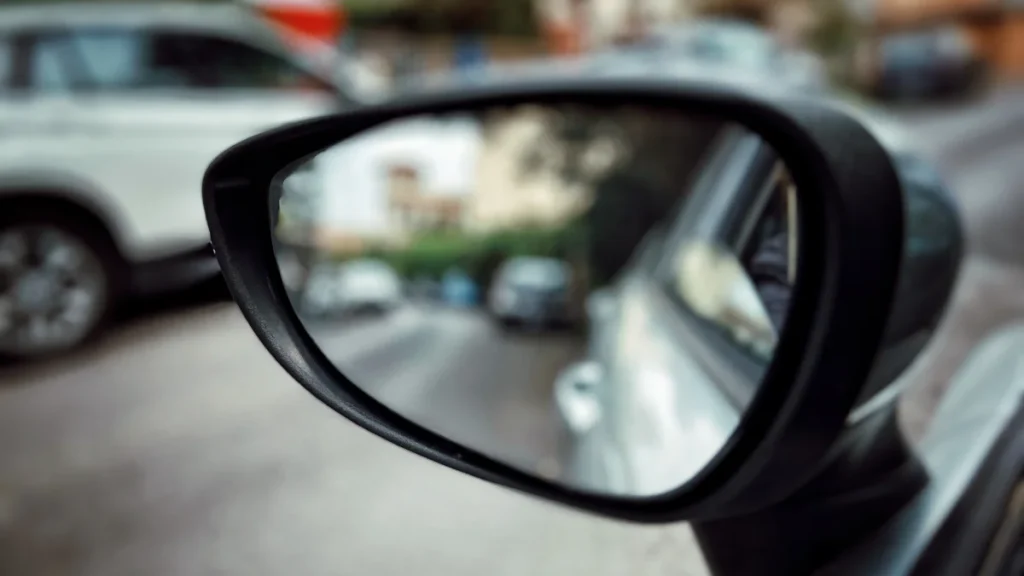
Vehicle blind spots refer to specific areas around a vehicle that are not visible to the driver through standard mirrors. These regions are particularly prominent on the sides and rear of the vehicle, creating significant challenges during maneuvers such as lane changes or merging. The inherent design of many vehicles contributes to the presence of these blind spots. For example, larger vehicles, like trucks and SUVs, often possess greater blind spots due to their size and shape, which can obstruct the driver’s view of smaller vehicles or pedestrians.
As vehicles are designed with safety in mind, traditional mirror placements can sometimes fail to cover all angles, leading to areas where visibility is compromised. This design flaw amplifies the risks associated with vehicle operations. Important maneuvers, such as turning or reversing, demand careful checking of blind spots to ensure no other road users are within these invisible zones.
To illustrate the concept, consider a common scenario: when a driver attempts to change lanes on a highway, the mirror may provide a clear view of the road ahead and behind, yet there might be a vehicle approaching from the side that cannot be seen. This inability to spot vehicles lurking in blind spots can lead to accidents, affirming the necessity for vigilance by drivers. Understanding what are vehicle blind spots helps promote safer driving practices. Drivers must be cognizant of the space around their vehicle, taking extra steps to check blind spots before executing any moves to prevent collision and ensure the safety of all road users.
Types of Blind Spots by Vehicle Class
Understanding the various types of blind spots is essential for safe driving, as different vehicles exhibit unique characteristics that influence their blind spot dynamics. When considering vehicle blind spots, it is important to recognize that each class of vehicle—such as cars, trucks, buses, and motorcycles—has varying levels and positions of blind spots based on size, height, and design.
Starting with passenger vehicles, such as cars, their blind spots are often limited to areas alongside the vehicle, particularly at the rear corners. These blind spots can be managed by utilizing mirrors and making a habit of checking blind spots before changing lanes or merging. However, the compact nature of cars generally results in smaller blind spots compared to larger vehicles.
In stark contrast, trucks and larger SUVs present significant blind spots due to their height and width. The extended dimensions of these vehicles can create dangerous blind spots on the sides, rear, and even front, making it more difficult for drivers to detect smaller vehicles or pedestrians. It is crucial for operators of large trucks to be extra vigilant and employ additional safety measures to account for these challenges.
Buses, similarly to trucks, have their unique blind spot issues, especially regarding passenger awareness and visibility during boarding and alighting. Their size and design mean that many blind spots extend further than those of other vehicles, emphasizing the need for frequent checking of blind spots before any maneuver.
Finally, motorcycles have a distinct perspective when it comes to blind spots. While they are smaller in stature, their narrow frame allows them to occupy spaces that cars and trucks may overlook. Motorcyclists must frequently check blind spots to ensure safe navigation through traffic, as their visibility can be impacted by larger vehicles.
In summary, recognizing and understanding the variances of vehicle blind spots across different classes is essential for all drivers. Each vehicle type presents its own specific challenges, necessitating a tailored approach for effectively checking blind spots and enhancing overall roadway safety.
Understanding the Importance of Blind Spots
Vehicle blind spots are areas around a vehicle that cannot be seen by the driver while at the controls. Understanding these blind spots is vital for ensuring road safety for both the driver and other road users, such as pedestrians and cyclists. Statistics show that a significant percentage of vehicular accidents are attributed to a lack of awareness of these blind spots. For instance, studies indicate that between 2010 and 2020, almost 500,000 accidents yearly were linked to incidents of lane changing when drivers failed to check blind spots.
This scenario highlights the potentially dangerous ramifications of blind spots. Many drivers tend to overlook vehicles or pedestrians situated within their blind spots, leading to collisions that could have otherwise been avoided. According to the National Highway Traffic Safety Administration (NHTSA), nearly 1 out of every 3 crashes involving passenger vehicles involves a failure to check blind spots. This staggering data emphasizes the critical need for drivers to be educated about what are vehicle blind spots and how to mitigate their impact.
Moreover, blind spots are not only a concern for vehicle occupants but also an issue for pedestrian safety. In urban areas, pedestrians frequently fall victim to accidents due to the negligence of drivers who neglect to properly check blind spots before making maneuvers. Defensive driving strategies entail a comprehensive understanding of blind spots and promoting vigilance among drivers. By employing these strategies, drivers can significantly enhance their situational awareness, leading to a decrease in the likelihood of accidents.
In conclusion, recognizing the importance of vehicle blind spots is essential in promoting overall road safety. Through understanding these areas and adopting necessary precautions, drivers can considerably reduce the risks associated with blind spots and contribute to a safer driving experience for everyone.
How to Identify Your Vehicle's Blind Spots
Identifying your vehicle's blind spots is an essential skill for any driver, as recognizing these areas significantly contributes to road safety. Blind spots are regions around a vehicle that cannot be directly observed by the driver while at the controls, increasing the risk of collisions. To effectively manage and mitigate the dangers of vehicle blind spots, several strategies can be employed.
First, it is crucial to adjust your mirrors correctly. The side mirrors should be angled outward, away from the vehicle. This adjustment allows for a broader view of the road and minimizes the blind areas adjacent to your vehicle. In addition, the rearview mirror must be positioned to provide a clear view of the road directly behind you. Proper mirror alignment can substantially reduce the size of your blind spots.
Second, the seating position plays an integral role in eliminating vehicle blind spots. As the driver, you should sit comfortably and maintain an upright posture, allowing better visibility through the windows and mirrors. A correctly positioned seat, typically no more than 10-12 inches from the steering wheel, will enable you to observe your surroundings more clearly.
In addition to adjusting your mirrors and seating, employing techniques to check blind spots is vital. Before changing lanes or merging, drivers should perform a head check by briefly turning their heads to look over their shoulders. This action can help spot any vehicles or obstacles in blind spots that may not be visible in the mirrors. Utilizing turn signals when changing lanes or turning enhances communication with other drivers and increases safety.
By following these practices—correctly adjusting mirrors, maintaining an optimal seating position, and actively checking blind spots—drivers can enhance their awareness on the road. This proactive approach to identifying vehicle blind spots is fundamental in ensuring safer driving experiences.
Techniques for Reducing Blind Spot Risks
Vehicle blind spots are areas around a vehicle that are not visible to the driver through traditional mirrors. These zones can present significant challenges, especially during lane changes or merging into traffic. Therefore, understanding how to mitigate the risks associated with checking blind spots is crucial for all drivers. Here are practical techniques that can help in reducing these risks.
First, consider installing blind spot mirrors. These small, convex mirrors are designed to expand your field of vision, allowing you to see into areas that conventional mirrors cannot cover. By integrating blind spot mirrors into your driving routine, you can proactively identify any nearby vehicles or obstacles that may be hidden from standard rearview and side mirrors.
Secondly, utilizing modern vehicle technologies can greatly enhance your safety. Many newer cars come equipped with blind spot detection systems that provide visual or auditory alerts when another vehicle enters your blind spot. These systems utilize sensors placed on the rear of the vehicle to notify drivers of the presence of nearby vehicles, thus minimizing the risk of unintended collisions.
In addition, adopting safer lane-changing practices can significantly reduce the dangers posed by blind spots. Always perform head checks or shoulder checks when changing lanes, as these simple actions ensure that you are aware of your surroundings before making any maneuvers. It is also essential to signal your intentions well in advance, which helps other drivers anticipate your actions and contributes to safer roads for everyone.
By combining technologies, mirrors, and safe driving practices, drivers can effectively minimize risks associated with vehicle blind spots. Understanding what are vehicle blind spots and employing these strategies promotes not only individual safety but also enhances the overall safety of the road environment.
The Role of Technology in Managing Blind Spots
The advent of modern technology has significantly transformed the way drivers manage vehicle blind spots. Understanding what vehicle blind spots are is essential for any motorist, as these areas can pose considerable risks while driving. Today’s vehicles are now equipped with various safety features designed to assist drivers in checking blind spots, thereby reducing the potential for accidents.
One of the most commonly utilized technologies is the rearview camera, which provides drivers with a clear view of what lies behind their vehicles when reversing. By integrating this device, drivers can easily identify obstacles or pedestrians, effectively decreasing the chances of collisions associated with blind spots. In addition, parking sensors further aid in this effort by delivering auditory cues when objects are detected near the vehicle, ensuring that drivers are more aware of their surroundings.
Another innovative solution is the lane departure warning system. This technology monitors lane markings and alerts drivers when they unintentionally drift out of their lanes, which often occurs due to blind spots. This system is particularly useful in preventing side-swipe incidents, a common danger associated with inadequate awareness of blind spots.
Furthermore, blind-spot monitoring systems have become increasingly prevalent in modern vehicles. These systems utilize sensors to detect vehicles in adjacent lanes and notify the driver through visual or auditory alerts. Such proactive measures enhance situational awareness, allowing drivers to make informed decisions. The combination of these technologies not only improves individual safety but also contributes to the overall reduction of accidents caused by unacknowledged blind spots.
Through the integration of advanced technological features such as rearview cameras, parking sensors, and blind-spot monitoring systems, drivers can effectively address the challenges posed by vehicle blind spots, making our roadways safer for everyone.
Blind Spots and Motorcyclists: A Special Consideration
Motorcyclists face unique challenges when it comes to vehicle blind spots, as their smaller size and different positioning on the road can make them less visible to other drivers. Understanding what are vehicle blind spots is crucial, particularly in environments where motorcycles and cars share the road. The significant height and width differences between motorcycles and larger vehicles mean that standard blind spot checks may not be sufficient for drivers.
One of the primary issues for motorcyclists is that many drivers simply overlook them due to their smaller profile. When cars change lanes or make turns, they often fail to detect motorcyclists hiding in their blind spots. This is compounded by the fact that motorcycles can maneuver and travel at high speeds, making the detection process tricky. Therefore, checking blind spots diligently becomes even more critical when drivers are in areas where motorcyclists are prevalent.
Another particular concern regarding blind spots and motorcycles is the tendency for drivers to underestimate the speed of approaching motorcyclists. Unlike cars, motorcycles can accelerate quickly or decelerate rapidly, meaning a motorist might misjudge the gap in traffic when attempting to pull out. This misjudgment can lead to severe accidents, underscoring the need for heightened awareness of motorcycle presence on the road.
To mitigate these dangers, drivers are encouraged to adopt a more cautious approach when navigating busy roads and to explicitly verify their blind spots before changing lanes or merging. Installing additional mirrors or using blind spot monitoring systems can also assist in making motorcyclists more visible. As a community, all road users should commit to enhancing safety by being aware of and respecting motorcycle riders, thereby fostering a safer driving environment for everyone.
Driver Education and Blind Spot Awareness
The topic of vehicle blind spots is a crucial aspect of driver education, as these areas can pose significant risks on the road. Driver training programs increasingly recognize the importance of teaching upcoming drivers how to effectively check blind spots. This is essential in fostering both awareness and safe driving practices right from the start.
In driver education programs, instructors often incorporate lessons specifically focused on blind spots. They emphasize what vehicle blind spots are, where to find them, and the impact of blind spots on overall driving safety. Many programs utilize visual aids and practical demonstrations, allowing new drivers to physically experience checking blind spots in various driving scenarios. This hands-on approach enables drivers to understand that blind spots can vary depending on the vehicle type, making awareness even more critical.
Additionally, many driving schools provide resources, including pamphlets, videos, and digital training modules, that reinforce the importance of checking blind spots. These materials often outline why blind spots are dangerous, sharing statistics and real-world examples of accidents caused by inadequate blind spot checks. By showcasing the potential consequences of neglecting this aspect of driving, learners are better equipped with the knowledge to make informed decisions behind the wheel.
As part of a comprehensive understanding of safe driving, driver education programs also emphasize the use of mirrors and advanced safety features. Students learn about adjusting mirrors correctly and utilizing technology such as blind spot monitoring systems that can assist drivers in identifying potentially dangerous situations. Ultimately, acquiring this knowledge instills confidence and proactive habits in new drivers, enhancing road safety for everyone.
Conclusion: Staying Safe by Understanding Blind Spots
Vehicle blind spots are critical areas around a vehicle that cannot be directly observed by the driver while looking in the mirrors. Understanding what these blind spots are and their potential dangers is essential for ensuring safety on the roads. As discussed in this guide, blind spots are particularly concerning because they can conceal the presence of other vehicles, pedestrians, or cyclists, leading to accidents.
Drivers must make it a priority to regularly check their blind spots before changing lanes or merging. Proper awareness and frequent checking can significantly reduce the likelihood of collisions. Vehicles vary in design, which can affect the size and location of blind spots. Therefore, it is advisable for drivers to familiarize themselves with their specific vehicle's blind spots and incorporate systematic checks into their driving routine.
Furthermore, utilizing technology such as blind-spot monitoring systems can offer an added layer of safety. However, relying solely on technology might not be prudent; continuous vigilance is necessary since technology may not always detect all vehicles accurately. The potential dangers of blind spots warrant a proactive approach to driving, emphasizing the need for constant awareness.
In conclusion, understanding vehicle blind spots is vital for maintaining safety on the road. By making a conscientious effort to check blind spots and understanding their implications, drivers can navigate their surroundings more safely. Implementing these measures not only protects oneself but also ensures the safety of others on the road. Every driver's commitment to blind spot awareness plays a significant role in promoting safer driving environments and reducing the risk of accidents.
Leave a Reply