Understanding Your Car's Climate Controls

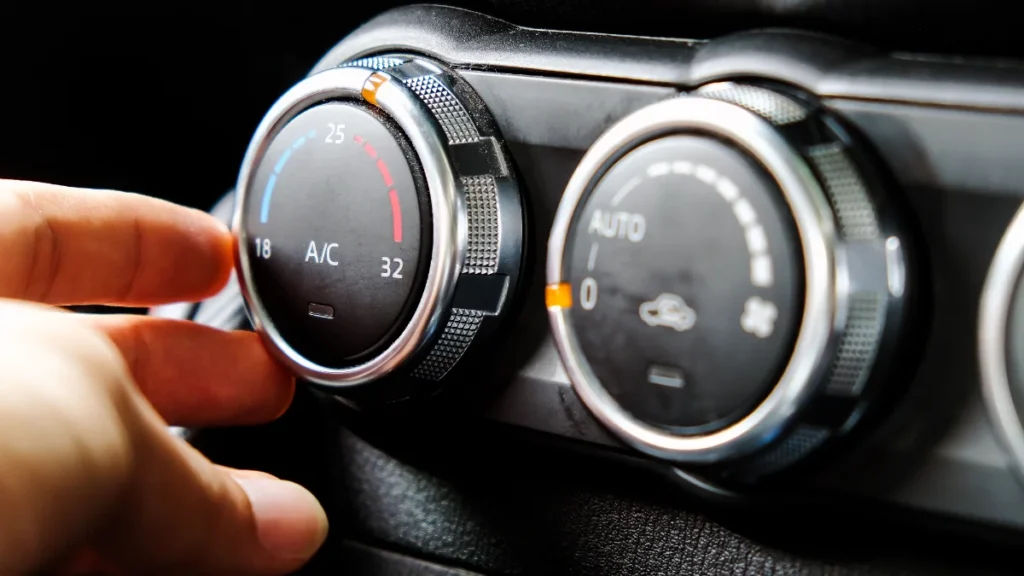
Car climate controls are essential systems that play a crucial role in ensuring comfort during driving. By effectively managing the temperature and air quality inside the vehicle, these controls contribute significantly to the overall driving experience. Understanding your car's climate controls is vital, as it enables you to operate the system efficiently and adapt it to varying weather conditions.
The importance of car climate controls extends beyond mere comfort; they also enhance safety. For instance, maintaining a clear view through the windshield is crucial in various weather scenarios, and adjusting the climate controls appropriately can help prevent fog build-up. Furthermore, a well-regulated cabin temperature is imperative for driver alertness and passenger convenience, particularly on long journeys.
Car climate control systems typically consist of several components, including heating, ventilation, and air conditioning (HVAC) systems. These components work seamlessly together to provide a comfortable environment within the car. The heating system warms the air in cold weather conditions, while the air conditioning system cools it during hotter months. Ventilation plays an essential role in maintaining air quality, allowing for the circulation of fresh air within the cabin.
Additionally, modern vehicles often come equipped with advanced features, such as dual-zone climate control, allowing for individualized temperature settings for the driver and passenger. This innovation illustrates how far car climate control technologies have come, adapting to the needs and preferences of users.
In conclusion, the understanding of your car's climate controls is foundational for any vehicle owner. Familiarizing oneself with these systems not only enhances comfort but also promotes safety and improves the overall driving experience. As we delve deeper into this topic, we will explore the various components and functions of car climate controls, providing valuable insights for effective operation.
Basic Components of Climate Control Systems
Understanding your car's climate controls is essential for maintaining a comfortable driving environment, especially in varying weather conditions. Central to these systems are several key components that work together to regulate temperature and airflow within the vehicle's interior.
The first component is the air conditioning unit, which plays a crucial role in cooling the cabin. It operates by circulating refrigerant through a series of coils, absorbing heat from the air inside the car and expelling it outside. This process not only cools the air but also dehumidifies it, contributing to a more comfortable environment on hot and humid days.
Next, we have the heater core, which functions to warm the air entering the cabin. The heater core is essentially a small radiator that utilizes hot coolant from the engine. As the coolant flows through the heater core, a fan blows air over it, transferring the heat into the cabin. This component ensures that the vehicle’s interior remains warm during colder months, providing a balanced climate regardless of external conditions.
Another critical element is the blower motor. This component is responsible for drawing air from the outside (or recirculated air) and pushing it through the heating or cooling system and into the car’s cabin. The blower motor operates at different speeds, allowing drivers to adjust the air distribution to their preference.
Finally, the cabin air filter plays a pivotal role in maintaining air quality within the vehicle. Acting as a barrier against dust, pollen, and other pollutants, a clean filter ensures that only fresh, conditioned air enters the car. Regular maintenance of the filter is necessary for optimal climate control performance.
By gaining a comprehensive understanding of your car's climate controls, including these fundamental components, you can better appreciate and maintain the comfort level in your vehicle.
Types of Climate Control Systems: Manual vs. Automatic
When it comes to understanding your car's climate controls, it is essential to recognize the two main types of climate control systems available in vehicles: manual and automatic. Each system offers unique functionalities and controls, which can significantly affect the overall user experience, convenience, and effectiveness in regulating temperature.
Manual climate control systems require the driver to make explicit adjustments to the heating, ventilation, and air conditioning (HVAC) settings. Operated through knobs or sliders, these controls allow users to set the desired temperature by adjusting the fan speed and air distribution manually. While this type of system grants more direct control over the climate settings, it requires active participation from the driver, which may not be ideal during long drives or when navigating challenging traffic conditions.
On the other hand, automatic climate control systems utilize sensors to monitor the vehicle’s interior temperature, enabling them to adjust the HVAC settings autonomously. Users can simply set their preferred temperature, after which the system automatically modulates the fan speed and air distribution as necessary to maintain that temperature. This results in a more streamlined driving experience, as the driver does not need to frequently monitor or adjust the settings. Moreover, automatic systems often provide dual-zone or multi-zone climate controls, allowing personalized settings for different areas within the vehicle.
Ultimately, choosing between manual and automatic climate control systems depends on individual preferences and driving habits. While manual systems offer a hands-on approach, automatic systems provide more convenience and efficiency. By understanding your car’s climate controls, you can make a more informed decision regarding which system best suits your needs.
How to Use Your Car's Climate Controls Effectively
Understanding your car's climate controls is essential for maintaining comfort while driving, especially during varying weather conditions. To use these features effectively, it is important to familiarize yourself with the different settings and their purposes. Start by adjusting the temperature settings to suit your preferences. Most climate control systems allow you to set individual temperatures for the driver and passenger sides, enabling personalized comfort for all occupants.
During hot weather, utilize the air conditioning system wisely. Begin by reducing the cabin temperature with a quick burst of cool air, then set the climate control to a lower temperature and a higher fan speed to maintain a comfortable environment. When the outside temperature is extremely high, consider using the vehicle’s recirculation mode, which traps cooler air inside the cabin, ultimately leading to better cooling efficiency.
In contrast, when dealing with colder conditions, the heating system plays a critical role. Direct the airflow towards your feet, as warm air naturally rises, thus promoting an even distribution of heat throughout the cabin. Additionally, if you experience foggy windows due to humidity, the front and rear defrosters are invaluable. Engaging these features helps to eliminate fog by directing warm, dry air onto the glass surfaces, improving visibility significantly.
Furthermore, maintaining airflow is crucial for creating a comfortable driving environment. This can be adjusted using the climate control settings to direct air towards or away from specific areas of the cabin. Optimal airflow not only enhances comfort but also helps prevent the accumulation of stale air. In conclusion, effectively utilizing your car's climate controls involves understanding their functions and adjusting them according to weather conditions, ensuring a pleasant driving experience at all times.
Understanding the Climate Control Symbols and Settings
Car climate controls are designed to ensure a comfortable driving experience by regulating the temperature and air quality inside the vehicle. Understanding your car's climate controls requires familiarity with the symbols and settings displayed on the control panel. Each symbol represents a specific function, and knowing these can significantly enhance your driving comfort in varying weather conditions.
One of the most common symbols is the fan icon, which indicates the airflow setting. This allows you to control the strength of the air circulation within the cabin. Next, there is the temperature control symbol, often represented by sun and snowflake symbols. The sun indicates heating, while the snowflake represents cooling. Adjusting these settings is crucial during extreme weather, as it helps maintain a pleasant interior climate.
In addition, many vehicles include defrost settings, represented by a windshield symbol with arrows pointing upward. This function is vital during foggy or rainy conditions, as it helps clear condensation from the windshield. Equally important is the recirculation symbol, which typically looks like an arrow circling back into a vehicle. This setting is used to recirculate the air inside the cabin, preventing outside air from entering and is particularly useful during heavy pollution or when driving in areas with unpleasant odors.
Furthermore, some advanced climate control systems offer automatic settings, often symbolized by a dial with a snowflake and sun combined. By activating this feature, the system will automatically adjust the heating and cooling settings to maintain your desired temperature. Understanding your car's climate controls not only enhances comfort but also ensures safety by providing clear visibility through defrosting and optimal air quality.
Common Issues with Climate Control Systems
Understanding your car's climate controls is essential for maintaining a comfortable driving environment. However, various issues can affect the performance of these systems. Among the most common problems are strange noises, poor airflow, and inconsistent temperature regulation.
Strange noises often indicate mechanical issues within the climate control system. These sounds may stem from a failing blower motor, debris caught within the fan, or issues with the air conditioning compressor. If you notice these noises, it is important to investigate the source immediately to prevent further damage. Regular inspection can often prevent these issues from escalating, ensuring that understanding your car's climate controls remains a straightforward task.
Poor airflow can be another frustrating problem, resulting in uneven climate distribution throughout the vehicle. This could be caused by a clogged cabin air filter, which restricts airflow and causes the climate system to work harder than necessary. Replacing the cabin air filter periodically is an essential maintenance step that can significantly enhance airflow. Additionally, issues with ductwork or the blower motor may also contribute to poor airflow. Regular checks of these components can help maintain optimal performance.
Inconsistent temperature regulation is another problem that can arise, typically associated with malfunctioning temperature control settings or refrigerant issues within the air conditioning system. If your vehicle struggles to maintain your desired temperature, the issue may lie with the thermostat or sensors that relay information to the climate control system. Addressing these concerns promptly can restore your car’s climate controls to proper functionality.
By recognizing these common issues and their potential causes, you empower yourself to take appropriate action, ensuring your understanding of your car's climate controls remains effective and thorough.
Seasonal Maintenance Tips for Climate Control Systems
Maintaining your car's climate control system is crucial for optimal performance and comfort throughout the year. Understanding your car's climate controls begins with recognizing the importance of seasonal checks and routine maintenance.
In the spring, it's essential to inspect the air conditioning system. Start by checking the refrigerant levels and ensuring there are no leaks in the system. Clean or replace the cabin air filter to help improve air quality and system efficiency. This is a straightforward task that can significantly impact your driving experience, especially on warmer days.
Summer brings increased use of the air conditioning system. To maintain its efficiency, consider running the A/C for a short period even on cooler days. This practice helps in keeping the system lubricated and prevents the compressor from seizing up. Additionally, inspecting the system’s belts and hoses during this time can preempt breakdowns.
In the fall, it's prudent to prepare for the colder months that lie ahead. Ensure your heater is functioning correctly by testing it out before the temperatures drop drastically. Flush the heater core to prevent clogs and maintain effective heating performance. Checking the coolant level is also vital as an adequate supply ensures the heating system operates effectively.
Winter requires special attention to the vehicle’s defrosting mechanism and heating system. Inspect the temperature gauge and thermostat, ensuring they operate within normal parameters. Keep the climate control settings at moderate levels to prevent the system from working harder than necessary, which can cause wear and tear.
Regular servicing of the climate control system is essential in preventing major breakdowns. Scheduling a professional checkup at least once a year can help in identifying potential issues early and ensuring the longevity of your system. By understanding your car's climate controls and following seasonal maintenance tips, you can enjoy a comfortable ride throughout the year.
Eco-friendly Practices for Car Climate Control Usage
Adopting eco-friendly practices for climate control in your vehicle can significantly reduce energy consumption while promoting fuel efficiency. Understanding your car's climate controls plays a pivotal role in achieving a comfortable driving environment with less environmental impact. Here are several strategies that drivers can implement to enhance sustainability.
One effective practice is to utilize the vehicle’s ventilation system appropriately. When starting your drive, especially in hot weather, it is advisable to open the windows for a few minutes to allow hot air to escape before switching on the air conditioning. This initial step reduces the need for excessive air conditioning, contributing to better fuel economy. Additionally, once the interior reaches a comfortable temperature, turning off the air conditioning or adjusting it to a moderate setting can conserve energy.
Maintaining your climate control system is equally important. Regular servicing ensures that the air conditioning system operates efficiently, thereby reducing unnecessary strain on the engine and minimizing fuel use. A well-maintained system relies on less energy, creating less waste. Another useful tip involves utilizing the vehicle's recirculation mode. By recirculating the interior air, the air conditioning does not have to work as hard to cool the cabin, resulting in lower energy consumption.
Lastly, parking in shaded areas whenever possible can limit the heat buildup inside the vehicle, reducing the need for extreme climate control measures when you're ready to drive. When you have a more temperate cabin, you can utilize lower settings on your climate controls, which in turn enhances fuel efficiency.
By consciously understanding your car's climate controls and implementing these practices, you can enjoy comfort while also being considerate of the environment. Such adjustments not only benefit individual drivers but also contribute positively towards collective environmental efforts.
Conclusion and Final Thoughts on Climate Controls
Understanding your car's climate controls is essential for ensuring not just comfort, but also safety while driving. The climate control system in a vehicle regulates temperature, humidity, and air quality, which directly influences the driving experience and passenger comfort. By familiarizing yourself with the various settings and features of your vehicle's climate control system, you empower yourself to maintain an optimal environment inside your car.
Moreover, it is crucial to pay attention to the maintenance of these systems. Regular checks can prevent issues that lead to inefficient operation or unexpected breakdowns. A well-functioning climate control system not only enhances comfort but can also improve fuel efficiency, particularly in extreme weather conditions. Neglecting these controls can lead to discomfort or even distract from the driving task. Therefore, knowing how to effectively adjust and operate your car's climate settings becomes indispensable.
As a car owner, taking proactive steps to comprehend and utilize your climate controls is an important aspect of maintaining your vehicle. This familiarity helps ensure that you can make necessary adjustments quickly without being distracted from the road. Additionally, seeking assistance from professionals for complex issues, rather than attempting repairs or settings changes that are beyond one’s understanding, is advisable.
In summary, the ability to control your car’s climate effectively can significantly impact your driving experience. By understanding your car's climate controls and ensuring they are well-maintained, you not only create a more pleasant atmosphere within your vehicle but also enhance your overall driving safety and satisfaction.
Leave a Reply