When Should You Replace Your Wiper Blades?

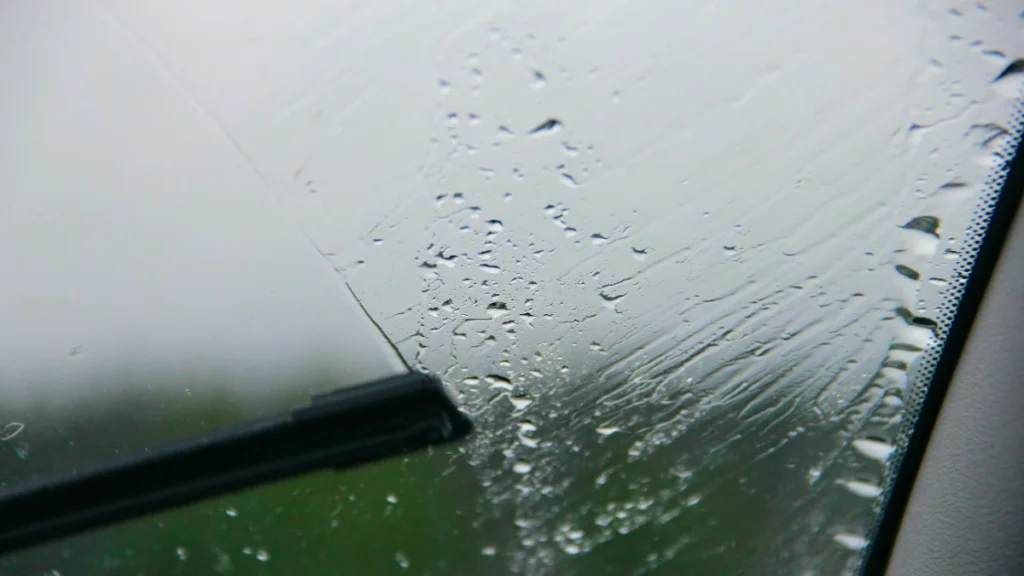
Windshield wipers are a vital component of vehicle safety, playing an essential role in maintaining clear visibility during adverse weather conditions. Whether it is rain, snow, or sleet, functional windshield wiper blades effectively remove water, ice, and debris from the windshield, significantly enhancing a driver’s ability to see the road ahead. Therefore, ensuring proper windshield maintenance through timely replacement of worn-out wiper blades is crucial.
Drivers often underestimate the importance of regularly checking their windshield wipers. Over time, wiper blades suffer wear and tear due to exposure to the elements, which can lead to decreased performance. As rubber deteriorates, it may crack or become rigid, resulting in streaks on the windshield. These streaks not only impair visibility but can also create hazardous driving conditions. Consequently, the importance of replacing windshield wipers cannot be overstated.
Moreover, using worn-out or damaged wiper blades can lead to further complications. For instance, failing to properly maintain wipers may cause them to scratch the windshield, which could necessitate expensive repairs or even replacement of the glass itself. Regular inspections and timely windshield wiper replacement are essential to avoid such risks and ensure safe driving.
In summary, windshield wiper blades perform a critical function in ensuring driver safety. Their ability to clear away precipitation and road debris directly influences visibility, making it imperative for drivers to monitor their condition closely and replace them when necessary. Being proactive in windshield maintenance by replacing old wiper blades can reduce the likelihood of accidents and enhance overall road safety.
Signs Your Wiper Blades Need Replacement
Proper windshield maintenance is essential for ensuring clear visibility while driving, particularly during adverse weather conditions. One of the critical components involved in maintaining visibility is the windshield wiper blades. Over time, these blades can become worn and ineffective, making it crucial for vehicle owners to recognize the signs that indicate a need for windshield wiper replacement.
One of the most common indicators that it is time to replace windshield wipers is the presence of streaking on the glass. When wiper blades no longer make proper contact with the windshield surface, they can leave behind water streaks, impairing visibility. This ensures that optimal performance is no longer achieved, signaling the necessity for new windshield wiper blades.
Another frequent symptom to look out for is if the wipers emit squeaking noises during operation. This sound often results from friction between the wiper blades and the windshield caused by wear and tear. Continued use of worn wipers can further damage both the blades and the windshield, highlighting the importance of replacing them before deterioration progresses further.
Instances of skipping or chattering can also indicate that wiper blades require replacement. If the blades are not gliding smoothly across the windshield, they might be damaged or have lost their elasticity. Moreover, physical inspection of the blades can reveal other signs of damage, such as cracks, tears, or bending. These physical defects compromise the effectiveness of the wipers, making timely replacement necessary.
Recognizing these signs is paramount for maintaining optimal visibility. The key to effective windshield maintenance lies in being proactive and attentive to how well your wiper blades function, ensuring road safety is never compromised.
Recommended Replacement Frequency
The windshield wiper blades are an essential component for maintaining clear visibility during inclement weather, making their proper functioning critical for safe driving. The recommended replacement frequency for these components can vary based on several factors, including climate, usage, and the type of blades installed on your vehicle.
Generally, it is advisable to inspect your windshield wiper blades every six months and consider replacement at least once a year. In harsher climates where extreme heat or frigid temperatures are prevalent, wiper blades may deteriorate more rapidly. Additionally, regions that experience frequent rain or snow can also contribute to increased wear, requiring more regular windshield wiper replacement.
For drivers who utilize their wipers extensively or use them for heavy-duty tasks, such as in rural or construction environments, it may be necessary to replace windshield wipers more frequently. It's not uncommon for such conditions to necessitate a change every few months. Conversely, if the vehicle is primarily used in mild weather, the wiper blades may last longer.
Moreover, the type of windshield wiper blades can affect their lifespan. Conventional blades may need to be replaced more often than premium or specialized options that may incorporate advanced materials or aerodynamics, leading to improved performance and durability. Regular windshield maintenance, including keeping your windshield clean and checking for debris, can also extend the life of your wiper blades.
To summarize, a proactive approach is recommended: inspect your wiper blades biannually, and consider replacing them at least once a year, adapting to the specific demands of your driving environment and habits.
Seasonal Considerations for Wiper Blade Replacement
Windshield wiper blades are essential components for maintaining visibility during adverse weather conditions. The performance of these blades can significantly vary across seasons, necessitating careful monitoring and potential replacement. Understanding how each season impacts wiper blades is important for ensuring they function effectively when you need them most.
During the winter months, wiper blades encounter harsh conditions such as snow and ice, which can lead to wear and tear. Using winter-specific wiper blades can enhance performance in these conditions, as they are designed to withstand the weight of accumulated snow and resist damage from freezing temperatures. Regular inspection is advised, and if you notice any cracking or deterioration, it is crucial to replace your windshield wipers promptly to maintain optimal visibility.
In contrast, summer weather presents challenges of its own, such as high heat and UV exposure. These conditions can cause rubber wiper blades to harden and crack, reducing their effectiveness. It is recommended to replace windshield wipers before the onset of summer to ensure they can handle heavy rains that often occur during thunderstorms. Proper windshield maintenance during these months will help extend the lifespan of your wiper blades.
Heavy rain during any season can quickly deteriorate wiper blades, leading to streaking and decreased visibility during driving. It is advisable to inspect your windshield wiper blades regularly for signs of wear, especially after heavy storms. If you notice any signs of performance decline, timely replacement can prevent safety hazards on the road.
In conclusion, seasonal changes greatly influence the performance of windshield wipers. By understanding the specific challenges each season presents, you can make informed decisions about when to replace windshield wipers, ensuring constant visibility and safety while driving.
Choosing the Right Wiper Blades for Your Vehicle
Selecting the appropriate wiper blades is crucial for ensuring clear visibility and optimal performance during adverse weather conditions. The first step in the process is to identify the type of wiper blades that are compatible with your vehicle. Generally, there are three primary types of wiper blades: conventional, beam, and winter blades.
Conventional blades are the traditional design, comprising a rubber blade attached to a metal frame. They are generally the most affordable option and suitable for moderate weather conditions. Beam blades, on the other hand, boast a more modern, frameless design that provides better contact with the windshield. This results in superior performance, particularly in heavy rain or snow, as they are less prone to clogging from ice buildup.
Winter wiper blades specifically cater to harsh winter weather; they include a protective rubber cover that prevents snow and ice buildup on the blade, thereby ensuring a clear windshield during inclement weather. When deciding which type of wiper blade to replace your existing ones with, consider your local climate conditions and driving habits.
To check compatibility, consult your vehicle’s owner manual or visit the manufacturer's website, which often provides detailed specifications. Many retailers also offer online tools where you input your vehicle’s make, model, and year to find suitable windshield wiper replacement options. It's essential to ensure that the selected wiper blades fit securely on the wiper arm and maintain consistent contact with the windshield for effective windshield maintenance. Prioritize quality over price, as high-quality windshield wiper blades will perform better and last longer, reducing the frequency of needing to replace windshield wipers. Regularly checking the condition of your wiper blades will help ensure your safety on the road, particularly during adverse weather conditions.
How to Inspect Your Wiper Blades
Regular inspection of your windshield wiper blades is critical for effective windshield maintenance and ensuring safe visibility while driving. To begin, observe the performance of your wipers during adverse weather conditions. If you notice streaks, skips, or an inability to clear water from the windshield, these are indicators that a windshield wiper replacement may be necessary.
Next, visually inspect the condition of the wiper blades themselves. Begin by checking the rubber edge of the blades for cracks, tears, or significant wear. Over time, exposure to the sun and harsh environmental elements can deteriorate the rubber material, reducing the efficiency of the blades. If you identify any damage, it may be time to replace windshield wipers.
Additionally, examine the wiper arm for any looseness or bent sections that might hinder proper contact with the windshield. The arm should hold the blade against the glass firmly. If this contact is compromised, even new windshield wiper blades may not perform adequately. It’s also important to check the wiper motor functionality as a complete system assessment is essential for maintaining optimal performance.
To better ensure reliable operation, regularly clean your windshield and the blades themselves. Debris accumulation can lead to scratches on the windshield or make the blades less effective, ultimately requiring more frequent replacement of windshield wiper blades. If during your inspection you determine that the performance is subpar, it is advisable to replace the wiper blades to enhance visibility and safety.
Installation Tips for New Wiper Blades
Replacing your windshield wiper blades is a straightforward task that can significantly enhance your visibility during adverse weather conditions. To ensure a smooth installation of your new wiper blades, follow these experienced tips and techniques.
Firstly, gather all necessary tools before starting the windshield wiper replacement process. Most commonly, you will need the new wiper blades that are compatible with your vehicle’s make and model, and possibly a towel for cleaning any dirt on the windshield. Knowing your specific blade size is essential; consult your owner's manual or visit a local auto parts store for assistance.
Before removing the existing wiper blades, it is advisable to lift the wiper arms away from the windshield. This gives you better access and also prevents any accidental scratches on the glass. To remove the old wiper blades, look for a small tab or release mechanism attached to the blade arm itself. Depress this tab gently while sliding the blade off. Ensure that you handle the wiper arms carefully to avoid letting them snap back against the windshield, as this could cause damage.
Next, take your new windshield wiper blades and align them with the wiper arm. Slide the blade onto the arm until you hear a click, indicating that it is securely attached. To ensure the blade is properly installed, give it a light tug. Repeat this process for the other side of the vehicle.
After the installation, it’s prudent to check the functionality of the new windshield wiper blades. Turn on your vehicle’s wiper system to confirm the blades operate smoothly without any skipping or streaking across the glass. Regular windshield maintenance includes checking your wipers every six months, and replacing them when necessary will help maintain optimal visibility. Following these steps can facilitate a quick and effective replacement of windshield wipers, ensuring your safety on the road.
DIY vs. Professional Replacement Services
When considering the replacement of windshield wiper blades, individuals often face the decision of whether to undertake the task themselves or consult a professional service. Both options have their own set of advantages and disadvantages that can influence this decision.
One of the primary benefits of a DIY windshield wiper replacement is cost savings. Typically, purchasing a set of wiper blades can be quite economical, allowing car owners to perform the replacement with minimal expense. Additionally, the process itself is generally straightforward, requiring only basic tools and a bit of time. For those with mechanical inclinations or experience, replacing windshield wipers independently can be an engaging and satisfying endeavor.
However, DIY replacements do come with potential downsides. For instance, individuals may inadvertently select incompatible wiper blades or improperly install them, leading to suboptimal performance. Furthermore, while most modern blades are designed for user-friendly installation, some vehicles may present challenges that could dissuade less experienced car owners from attempting the task.
On the other hand, employing professional services ensures that the replacement is executed correctly, typically using high-quality windshield wiper blades that may outperform standard options available in stores. Professionals often possess the expertise to identify specific needs related to a vehicle's windshield maintenance, including the right type of wipers for different weather conditions. However, this convenience usually comes at a higher cost, and the time involved may be more than anticipated due to scheduling issues or travel to the service location.
In essence, the choice between DIY replacement and professional service depends on the individual’s budget, expertise, and time availability. Weighing these factors against the need for effective windshield wiper blades will guide one to the most suitable option for maintaining optimal visibility while driving.
Conclusion: Safety Starts with Clear Visibility
Ensuring optimal visibility while driving is fundamental to road safety, making the regular replacement of windshield wiper blades an essential aspect of vehicle maintenance. Worn or damaged wipers can lead to streaks, smudges, and inadequate clearing of rain, snow, or debris, which significantly reduces a driver's ability to see clearly. Therefore, investing in windshield wiper replacement at timely intervals is not just a matter of convenience but a critical safety measure.
It is recommended that vehicle owners routinely check their windshield wipers every six months and consider replacement at least once a year, or sooner if they notice signs of wear. Factors like climate and usage frequency can influence the lifespan of wiper blades, so it is prudent to assess their condition more often under harsh weather conditions. Features such as rubber material quality and the design of windshield wiper blades should also be taken into account when selecting suitable replacements.
In addition to enhancing visibility, proper windshield maintenance through timely replacement of wiper blades can prevent further damage to the windshield itself. Deteriorated wipers may interact negatively with the surface, leading to scratches or other issues that could escalate repair costs or complicate safe driving undertakings.
Ultimately, ensuring clear visibility while on the road not only promotes a safer driving experience but also instills confidence in vehicular operation. Therefore, prioritize your safety and the safety of others by regularly assessing, maintaining, and replacing your windshield wiper blades as necessary. By doing so, you contribute positively to a safer driving environment with every journey you take.
Leave a Reply