Defensive Driving Techniques Every Driver Should Know

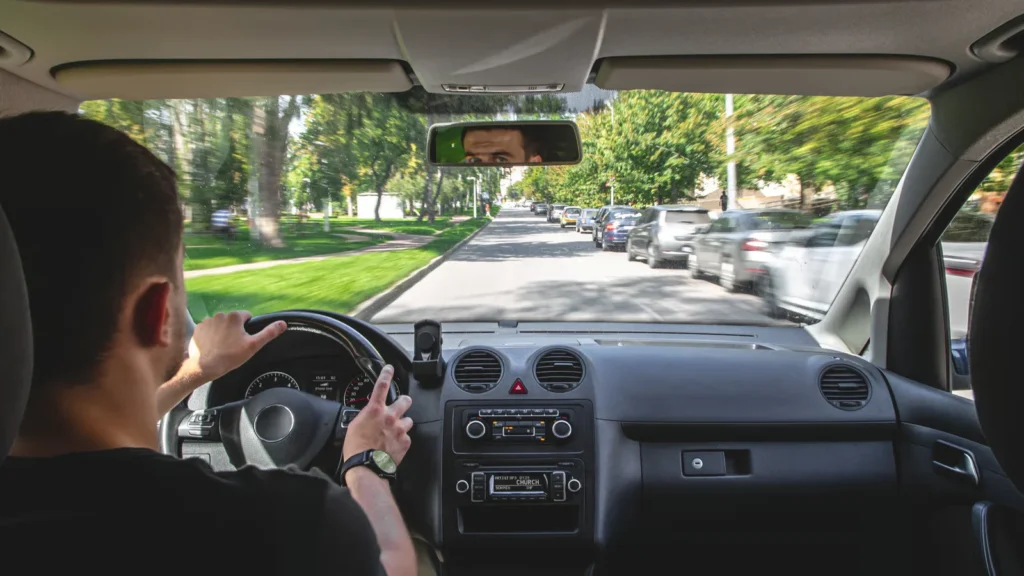
Defensive driving is one of the most important skills every driver can develop. While many people focus on learning traffic laws and vehicle control, safe driving also requires the ability to anticipate hazards, recognize risks, and make careful decisions before dangerous situations happen.
Defensive driving does not mean driving slowly at all times or assuming other drivers will make mistakes. It means staying alert, maintaining control, and being prepared for unexpected actions from other road users.
In the United States, defensive driving principles are taught in many driver education programs because they help reduce risky behaviors and improve overall road safety. Although traffic laws vary by state, defensive driving habits are useful for drivers everywhere.
By practicing awareness, proper vehicle control, and responsible decision-making, drivers can better handle changing road conditions and reduce the chances of collisions.
What Is Defensive Driving?
Defensive driving is a driving approach focused on preventing crashes by identifying hazards before they become emergencies.
A defensive driver:
- Pays attention to surrounding traffic.
- Maintains safe following distances.
- Adjusts driving based on conditions.
- Avoids unnecessary risks.
- Expects that other drivers may make mistakes.
The goal is not simply to react after a problem occurs. The goal is to recognize potential problems early and respond safely.
For example, if a driver sees a vehicle approaching an intersection too quickly, a defensive driver prepares for the possibility that the vehicle may not stop.
Why Is Defensive Driving Important?
Driving involves many factors outside a driver’s control, including weather, traffic, road conditions, and the actions of other people.
Defensive driving helps drivers:
- Have more time to react.
- Avoid dangerous situations.
- Reduce distractions.
- Improve decision-making.
- Maintain better control of the vehicle.
Many crashes happen because of preventable behaviors such as following too closely, speeding, distracted driving, or failing to notice hazards.
Defensive driving focuses on reducing these risks through preparation and awareness.
Maintain a Safe Following Distance
One of the most important defensive driving techniques is keeping enough space between your vehicle and the vehicle ahead.
Following too closely reduces reaction time and increases the risk of a rear-end collision.
A common recommendation is to maintain at least a three-second following distance under normal conditions. Drivers may need more space when:
- Roads are wet.
- Visibility is poor.
- Traffic is heavy.
- Vehicles are larger or heavier.
- Road surfaces are slippery.
To check following distance:
- Choose a fixed object ahead, such as a sign or tree.
- Wait until the vehicle ahead passes it.
- Count the seconds until your vehicle reaches the same point.
If you reach the object too quickly, increase your following distance.
Scan the Road Ahead
Defensive drivers do not focus only on the vehicle directly in front of them. They look farther ahead to identify potential hazards.
Drivers should regularly scan:
- Traffic several seconds ahead.
- Intersections.
- Pedestrians.
- Road signs.
- Changing traffic patterns.
Looking ahead gives drivers more time to adjust speed or change position safely.
For example, noticing brake lights several vehicles ahead allows a driver to slow down gradually instead of reacting suddenly.
Avoid Distracted Driving
Distractions reduce a driver’s ability to recognize and respond to hazards.
Common distractions include:
- Texting or using a phone.
- Adjusting navigation systems.
- Eating while driving.
- Looking away from the road.
- Interacting with passengers.
Defensive drivers keep their attention focused on driving and complete other tasks before or after the trip whenever possible.
Even a brief distraction can affect reaction time, especially in heavy traffic or at higher speeds.
Control Your Speed
Speed management is a key part of defensive driving.
Driving too fast reduces the amount of time available to react and increases stopping distance.
Drivers should:
- Follow posted speed limits.
- Reduce speed when conditions require it.
- Avoid driving faster than traffic or road conditions allow.
Examples of situations requiring reduced speed include:
- Rain or snow.
- Fog.
- Construction areas.
- Heavy pedestrian activity.
- Poor visibility.
Safe speed is not always the maximum legal speed. Drivers must consider the conditions around them.
Stay Aware of Blind Spots
Every vehicle has areas around it that are difficult or impossible to see through mirrors alone.
Defensive drivers:
- Adjust mirrors properly.
- Check blind spots before changing lanes.
- Avoid staying beside other vehicles for long periods.
- Watch carefully for motorcycles and bicycles.
Before changing lanes, drivers should use the proper sequence:
- Check mirrors.
- Signal.
- Check the blind spot.
- Move only when the lane is clear.
Expect Other Drivers to Make Mistakes
A major part of defensive driving is understanding that not every driver will follow the rules correctly.
Other drivers may:
- Change lanes suddenly.
- Run a red light.
- Fail to yield.
- Stop unexpectedly.
- Drive distracted.
A defensive driver stays prepared without becoming aggressive.
For example, if another vehicle begins drifting into your lane, the safest response is usually to create space and avoid confrontation.
Use Proper Communication
Good communication helps drivers understand each other’s intentions.
Important communication tools include:
- Turn signals.
- Brake lights.
- Headlights when appropriate.
- Positioning within lanes.
Drivers should signal before turning or changing lanes and avoid sudden movements that surprise other road users.
Adjust Driving for Weather Conditions
Weather can significantly change road safety.
Rain
Wet roads reduce traction and may increase stopping distance. Drivers should slow down and increase following distance.
Snow and Ice
Snow and ice can make vehicles harder to control. Drivers should avoid sudden braking, acceleration, or steering movements.
Fog
Fog reduces visibility. Drivers should slow down and use appropriate lighting according to local laws.
Strong Wind
Strong winds can affect larger vehicles and motorcycles. Drivers should maintain control and be aware of sudden movement.
Avoid Aggressive Driving
Aggressive driving increases risk for everyone on the road.
Examples include:
- Tailgating.
- Excessive speeding.
- Unsafe lane changes.
- Ignoring traffic rules.
- Competing with other drivers.
Defensive drivers remain calm and focus on reaching their destination safely rather than reacting emotionally to other motorists.
Prepare Your Vehicle
Vehicle maintenance is also part of defensive driving.
Drivers should regularly check:
- Tire condition and pressure.
- Brake performance.
- Lights and signals.
- Windshield visibility.
- Fluid levels.
A well-maintained vehicle is easier to control and less likely to create unexpected problems.
Common Defensive Driving Mistakes
Relying Only on Other Drivers Following the Rules
Even when you have the right of way, staying alert is important.
Driving While Tired
Fatigue reduces attention and reaction ability. Drivers should avoid driving when they are too tired to operate safely.
Looking Too Close Ahead
Focusing only on nearby vehicles limits awareness of developing hazards.
Waiting Until the Last Second to React
Good defensive driving involves recognizing problems early and making gradual adjustments.
Defensive Driving Techniques for New Drivers
New drivers can build defensive habits by practicing:
- Checking mirrors frequently.
- Maintaining safe spacing.
- Avoiding distractions.
- Observing traffic patterns.
- Driving at appropriate speeds.
- Staying patient in difficult situations.
Experience improves over time, but good habits should begin from the first day behind the wheel.
Frequently Asked Questions About Defensive Driving
What is the main goal of defensive driving?
The main goal is to reduce risk by recognizing hazards early and making safe decisions before dangerous situations develop.
Is defensive driving only for new drivers?
No. Drivers of all experience levels benefit from defensive driving techniques.
Does defensive driving mean driving slower than everyone else?
No. Defensive driving means driving at an appropriate speed while staying aware and prepared.
How can I become a better defensive driver?
Practice awareness, maintain safe distances, avoid distractions, follow traffic laws, and anticipate possible hazards.
Can defensive driving prevent all crashes?
No driving method can eliminate every risk, but defensive driving can help reduce the likelihood of many preventable collisions.
Conclusion
Defensive driving is a skill built through awareness, preparation, and responsible choices. Safe drivers do more than follow traffic laws; they actively look for risks and make decisions that protect themselves and others.
By maintaining safe distances, avoiding distractions, adjusting to conditions, and staying alert, drivers can handle everyday situations more effectively. Defensive driving is a lifelong habit that helps create safer roads throughout the United States.
Related guides