Safe Following Distance: The 3 Second Rule Explained

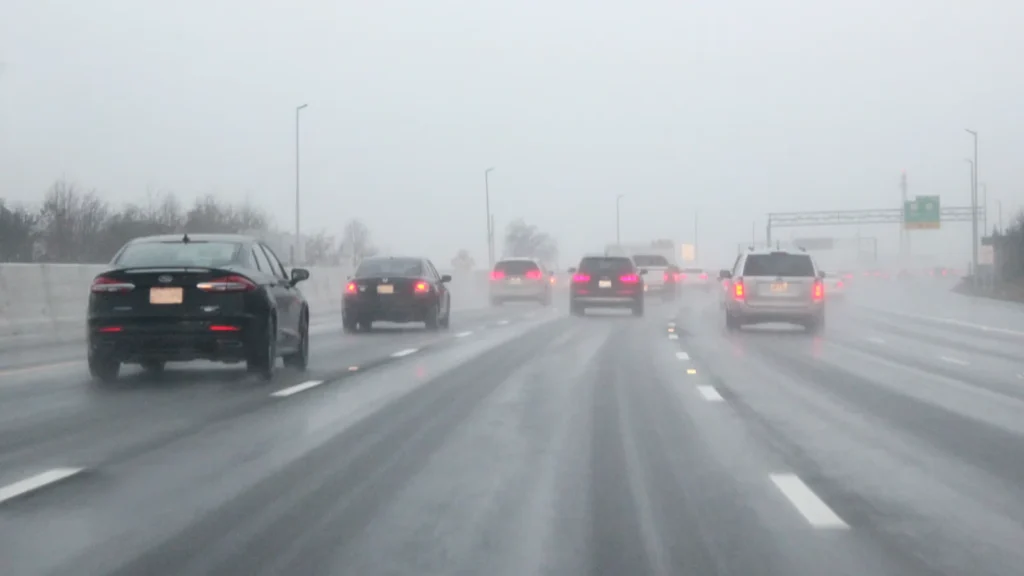
Maintaining a safe following distance is one of the most important habits in defensive driving. Many drivers focus on speed limits, traffic signals, and lane rules but underestimate how much space they need between their vehicle and the one ahead.
Following too closely, also known as tailgating, reduces the amount of time available to react when traffic suddenly slows or stops. A safe following distance gives drivers extra time to recognize hazards, respond smoothly, and avoid preventable collisions.
One of the most common techniques taught in driver education programs across the United States is the 3-second rule. This simple method helps drivers estimate whether they have enough space between vehicles under normal conditions.
While the exact safe distance depends on speed, weather, road conditions, and vehicle type, understanding the 3-second rule provides a strong foundation for safer driving.
What Is a Safe Following Distance?
A safe following distance is the amount of space a driver leaves between their vehicle and the vehicle ahead.
This space serves as a safety buffer. If the vehicle ahead suddenly brakes, the following driver has more time to:
- Notice the hazard.
- React appropriately.
- Apply the brakes.
- Stop safely.
Without enough space, drivers may have to brake suddenly or steer to avoid a collision.
Following distance is especially important because drivers cannot always predict what other vehicles will do. A car ahead may stop for a pedestrian, a traffic light, road debris, or unexpected traffic conditions.
What Is the 3 Second Rule?
The 3-second rule is a simple way to measure following distance while driving.
To use the rule:
- Choose a fixed object ahead, such as a road sign, tree, bridge, or lane marking.
- Watch when the vehicle in front of you passes that object.
- Count the seconds until your vehicle reaches the same point.
If you reach the object before counting at least three seconds, you are following too closely.
For example:
- The vehicle ahead passes a sign.
- You count: “one thousand one, one thousand two, one thousand three.”
- If your vehicle reaches the sign after counting three seconds or more, your following distance is generally safer under normal conditions.
The 3-second rule is not a guarantee that a collision cannot happen, but it provides additional reaction time compared with following too closely.
Why Three Seconds?
Drivers need time to recognize a hazard and respond. The total stopping process includes several stages:
- Seeing a problem.
- Deciding what action to take.
- Moving the foot to the brake pedal.
- Applying braking force.
- Bringing the vehicle to a stop.
Even alert drivers do not stop instantly. At higher speeds, a vehicle can travel a significant distance before coming to a complete stop.
The faster a vehicle is moving, the more space is needed.
When Should You Increase Following Distance?
The 3-second rule works best during normal driving conditions. Drivers should increase following distance when conditions become more challenging.
Rain and Wet Roads
Wet roads reduce tire traction and increase stopping distance.
Drivers should leave additional space because:
- Tires may have less grip.
- Braking takes longer.
- Visibility may be reduced.
A following distance of four or more seconds may be more appropriate depending on conditions.
Snow and Ice
Snow and ice create some of the most dangerous stopping conditions.
Drivers should increase their following distance significantly because:
- Vehicles can slide.
- Braking effectiveness decreases.
- Steering response may be reduced.
A vehicle that stops easily on dry pavement may require much more distance on icy roads.
Heavy Traffic
In crowded traffic, vehicles often brake repeatedly and unexpectedly.
Extra space allows drivers to:
- Avoid sudden braking.
- Maintain smoother traffic flow.
- Reduce rear-end collision risks.
Night Driving
Limited visibility at night makes it harder to identify hazards quickly.
Drivers should consider increasing following distance when:
- Roads are unfamiliar.
- Lighting is poor.
- Visibility is reduced.
Large Vehicles
Drivers should leave extra space around:
- Trucks.
- Buses.
- Vehicles towing trailers.
Large vehicles may require longer stopping distances, and drivers should avoid following too closely behind them because visibility can be limited.
The 4 Second and 5 Second Rules
Although the 3-second rule is widely taught, some situations require more space.
Many driving instructors recommend increasing the following distance to:
- Four seconds in rain or moderate weather conditions.
- Five seconds or more in difficult conditions such as snow, ice, or heavy traffic.
The correct distance depends on the situation. Drivers should adjust based on speed, road conditions, and visibility.
Safe Following Distance at Different Speeds
As speed increases, vehicles cover more distance in a shorter amount of time.
For example:
- A vehicle traveling slowly in a neighborhood may need less space than a vehicle traveling on an interstate.
- A vehicle traveling at highway speeds needs a much larger safety buffer.
This is why drivers should avoid using a fixed car-length measurement for every situation. The space needed changes with driving conditions.
Common Following Distance Mistakes
Following Too Closely in Traffic
Some drivers reduce their following distance because they believe it helps them move faster through traffic. However, it reduces reaction time and increases risk.
Using Only Car Lengths to Judge Distance
A specific number of car lengths may not work at different speeds. The 3-second method adjusts better because it is based on time.
Focusing Only on the Vehicle Ahead
Drivers should also scan farther down the road to identify traffic changes, brake lights, and hazards.
Forgetting to Adjust for Weather
A following distance that works on dry pavement may not be enough during rain, snow, or ice.
Feeling Pressured by the Driver Behind You
If another driver is following too closely, the safest response is usually to create more space ahead of your vehicle or allow them to pass when possible.
How Following Distance Helps Prevent Rear-End Crashes
Rear-end collisions are among the most common types of traffic crashes. Many happen because drivers do not have enough time or space to stop.
Maintaining a safe following distance helps drivers:
- Brake more gradually.
- Avoid sudden reactions.
- Handle unexpected traffic changes.
- Reduce stress while driving.
A safe following distance benefits both the driver and everyone sharing the road.
How New Drivers Can Practice the 3 Second Rule
New drivers can build this habit by practicing during everyday trips.
Helpful steps include:
- Pick a reference point on the road.
- Count consistently.
- Adjust when conditions change.
- Avoid becoming focused only on the vehicle directly ahead.
Over time, maintaining proper spacing becomes a natural part of driving.
Frequently Asked Questions About Safe Following Distance
Is the 3 second rule required by law?
The 3-second rule is a driving guideline, not a specific nationwide legal requirement. Traffic laws about following distance vary by state.
Is three seconds enough in bad weather?
Not always. Drivers should increase following distance during rain, snow, ice, fog, or other conditions that affect visibility and stopping ability.
How far should you stay behind a car on the highway?
Highway speeds generally require more space than slower roads. The 3-second rule can be used as a starting point, with additional distance added when needed.
Why is tailgating dangerous?
Tailgating reduces reaction time and increases the chance of a crash if the vehicle ahead stops suddenly.
Does a larger vehicle need more following distance?
Yes. Larger and heavier vehicles often need more space to stop safely.
Conclusion
The 3-second rule is a simple but effective way to maintain safer following distance behind other vehicles. It helps drivers create enough space to react when traffic changes unexpectedly.
Safe following distance is not just about avoiding tickets or following driving advice. It is about giving yourself time to make better decisions behind the wheel.
By increasing space when conditions are difficult, staying alert, and avoiding tailgating, drivers can reduce risks and contribute to safer roads throughout the United States.
Related guides