How to Drive at Night Safely: Tips for Better Visibility and Control

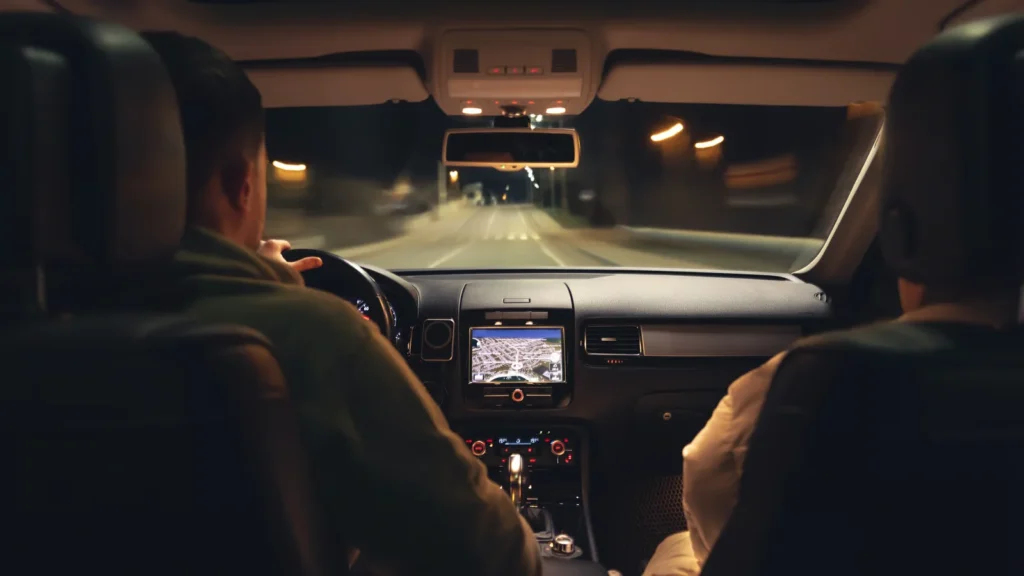
Driving at night presents challenges that are not present during daylight hours. Reduced visibility, glare from headlights, fatigue, and limited reaction time can make even familiar roads more difficult to navigate. According to U.S. traffic safety data, the risk of serious crashes is generally higher after dark, making safe nighttime driving an important skill for every driver.
Whether you are commuting home, taking a road trip, or driving in an unfamiliar area, understanding how to adapt your driving habits at night can help reduce risks and improve your confidence behind the wheel.
While traffic laws vary by state, the safe driving practices discussed in this article apply to drivers throughout the United States.
Why Is Night Driving More Challenging?
The biggest difference between daytime and nighttime driving is visibility.
After sunset, drivers have less time to recognize hazards because they cannot see as far ahead. Objects such as pedestrians, cyclists, animals, road debris, and disabled vehicles may be much harder to detect.
Night driving can also be affected by:
- Glare from oncoming headlights.
- Driver fatigue.
- Reduced depth perception.
- Difficulty judging speed and distance.
- Poorly lit roads.
Recognizing these challenges is the first step toward driving more safely after dark.
Make Sure Your Vehicle Is Ready
Before driving at night, check that your vehicle is in good condition.
Important items include:
- Headlights.
- Taillights.
- Brake lights.
- Turn signals.
- Windshield wipers.
- Clean windows and mirrors.
Dirty headlights or a windshield covered with dust or streaks can reduce visibility and increase glare.
Replacing burned-out bulbs and keeping your windows clean helps both you and other drivers see more clearly.
Use Your Headlights Correctly
Headlights are essential for safe nighttime driving.
Drivers should:
- Turn on headlights from sunset to sunrise or whenever required by state law.
- Use low beams when following another vehicle closely.
- Switch to low beams when approaching oncoming traffic.
- Use high beams only when appropriate and when they will not interfere with other drivers.
Proper headlight use improves your ability to see the road while helping prevent glare for others.
Reduce Your Speed
Driving too fast at night reduces the time available to react to hazards that may appear within the reach of your headlights.
Even if the posted speed limit remains the same, drivers should consider reducing speed when:
- Visibility is limited.
- Roads are unfamiliar.
- Weather conditions are poor.
- Wildlife is common.
Driving at a speed that matches visibility conditions provides more time to identify and respond to potential dangers.
Increase Your Following Distance
Maintaining extra space between your vehicle and the one ahead gives you additional time to react if traffic slows unexpectedly.
At night, it can be harder to judge distance accurately, making a larger following distance even more valuable.
If rain, fog, or other poor weather conditions are present, increase following distance further.
Watch for Pedestrians and Cyclists
Pedestrians and bicyclists are often more difficult to see after dark, especially if they are wearing dark clothing or traveling in areas with limited street lighting.
Drivers should pay extra attention near:
- Crosswalks.
- Residential neighborhoods.
- Downtown areas.
- Schools.
- Bus stops.
Slow down when visibility is limited and scan both sides of the roadway for movement.
Avoid Headlight Glare
Bright headlights from oncoming traffic can temporarily reduce your vision.
If another vehicle's headlights create glare:
- Avoid looking directly into the lights.
- Focus on the right edge of your lane.
- Reduce speed if necessary.
- Keep your windshield clean to minimize light distortion.
Your eyes may need several seconds to recover after exposure to bright lights, so driving cautiously during this time is important.
Stay Alert for Wildlife
In many parts of the United States, animals such as deer are more active around dawn, dusk, and during the night.
Drivers should be especially cautious on:
- Rural highways.
- Forested roads.
- Areas marked with wildlife crossing signs.
If you see one animal crossing the road, expect others to be nearby.
Reducing speed in areas with frequent wildlife activity gives you more time to react safely.
Avoid Driving While Fatigued
Fatigue can affect driving ability in ways similar to alcohol impairment.
Signs of drowsy driving include:
- Frequent yawning.
- Difficulty keeping your eyes open.
- Drifting from your lane.
- Missing traffic signs or exits.
- Trouble remembering the last few miles driven.
If you begin feeling sleepy, the safest choice is to stop in a safe location and rest before continuing your trip.
Driving while fatigued can significantly reduce attention, judgment, and reaction time.
Limit Distractions
Night driving requires increased concentration.
Avoid distractions such as:
- Using a mobile phone.
- Adjusting navigation while driving.
- Eating behind the wheel.
- Looking away from the road for extended periods.
Keeping your attention focused on driving helps you recognize hazards more quickly.
Be Extra Careful in Bad Weather
Rain, fog, snow, and ice make nighttime driving even more challenging.
During poor weather:
- Reduce speed.
- Increase following distance.
- Use headlights appropriately.
- Avoid sudden steering or braking.
- Watch for standing water or icy patches.
Combining reduced visibility with slippery roads increases stopping distance and requires greater caution.
Drive Defensively at Night
Defensive driving becomes even more important after dark.
Good nighttime defensive driving habits include:
- Scanning well ahead.
- Checking mirrors regularly.
- Anticipating mistakes by other drivers.
- Maintaining safe spacing.
- Avoiding aggressive driving.
Not every driver is alert or following traffic laws. Staying prepared for unexpected situations helps reduce risk.
Common Night Driving Mistakes
Overdriving Your Headlights
Some drivers travel so fast that they cannot stop within the distance illuminated by their headlights.
Reducing speed helps ensure you can react safely to hazards that appear ahead.
Using High Beams Incorrectly
High beams improve visibility on dark roads but should be dimmed when approaching or following other vehicles.
Ignoring Signs of Fatigue
Many drivers continue driving even after noticing they are becoming sleepy. Taking a break is often the safest decision.
Looking Directly at Oncoming Headlights
Doing so can temporarily reduce your night vision. Focus on your lane instead.
Forgetting to Clean Windows
A dirty windshield increases glare and reduces visibility, especially during rain or when facing bright lights.
Frequently Asked Questions About Night Driving
Is it safer to drive slower at night?
Yes. Lower speeds provide more time to react to hazards that may be difficult to see after dark.
Should you use high beams all the time at night?
No. High beams should only be used when appropriate and should be dimmed when approaching or following other vehicles.
Why is driving at night more dangerous?
Reduced visibility, fatigue, glare, and difficulty seeing hazards all contribute to increased risk after dark.
How can I reduce glare from headlights?
Keep your windshield clean, avoid looking directly at oncoming headlights, and focus on the right edge of your lane.
What should you do if you become sleepy while driving?
Find a safe place to stop and rest before continuing. Driving while fatigued significantly increases crash risk.
Conclusion
Night driving requires greater awareness, patience, and preparation than daytime driving. Reduced visibility and increased fatigue make it important to adjust your speed, maintain a safe following distance, and stay focused on the road.
Simple habits such as using headlights correctly, keeping your vehicle in good condition, avoiding distractions, and recognizing signs of fatigue can make a significant difference in your safety.
By practicing defensive driving and adapting to nighttime conditions, drivers can reduce risks and travel more safely on roads throughout the United States.
Related guides