How to Drive Safely in Rain and Bad Weather

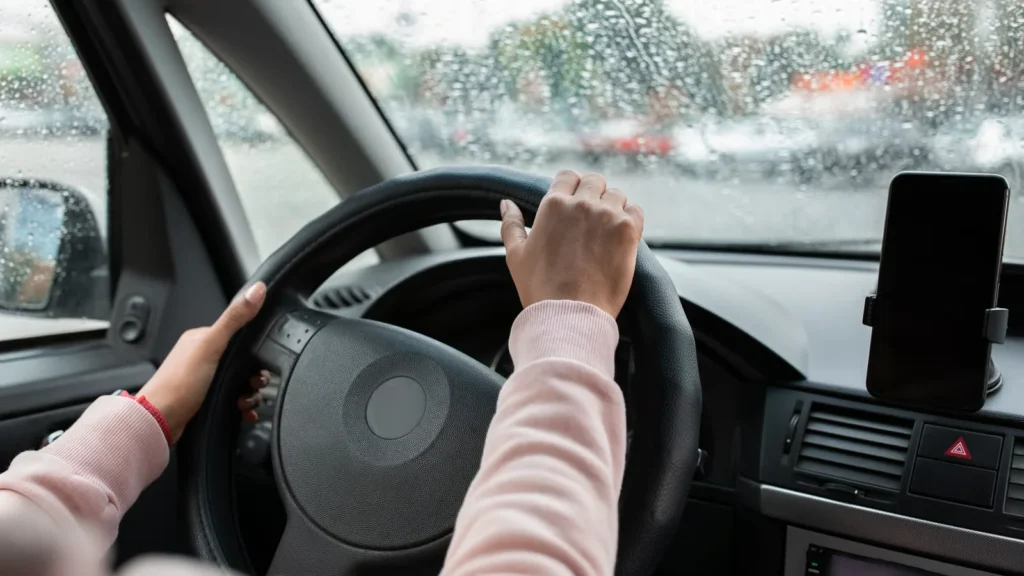
Driving in rain and bad weather requires extra attention, patience, and preparation. Wet roads, reduced visibility, and changing road conditions can make normal driving situations more challenging, even for experienced drivers.
Many crashes happen because drivers fail to adjust their speed, follow too closely, or underestimate how weather affects vehicle control. Rain, snow, fog, ice, and strong winds can all change the way a vehicle responds.
Safe driving in bad weather is not only about knowing what to do during difficult conditions. It also involves preparing your vehicle, recognizing risks early, and making smart decisions before a dangerous situation develops.
Weather conditions vary greatly across the United States, from heavy rain in coastal regions to snow and ice in northern states. Drivers should always consider local conditions and follow their state’s traffic laws when weather affects the roadway.
Why Bad Weather Makes Driving More Difficult
Weather can affect several important parts of driving, including:
- Visibility.
- Tire traction.
- Stopping distance.
- Vehicle handling.
- Driver reaction time.
For example, rain can create a slippery road surface that reduces tire grip. Snow and ice can make it harder to accelerate, brake, and steer. Fog can limit how far drivers can see, making it more difficult to identify hazards.
Because conditions can change quickly, drivers need to adjust their driving habits instead of maintaining the same speed and behavior they use during clear weather.
How to Drive Safely in Rain
Rain is one of the most common weather challenges drivers face in the United States. Even a light rain can affect road safety because water reduces friction between tires and pavement.
Reduce Your Speed
One of the most important steps when driving in rain is reducing speed.
A lower speed gives you:
- More time to react.
- Better control of the vehicle.
- More distance to stop safely.
Drivers should avoid sudden acceleration, hard braking, and sharp steering movements because these actions can cause loss of control on wet roads.
Increase Following Distance
Wet roads increase stopping distance, so drivers should leave more space between vehicles.
Following too closely in rainy conditions can make it difficult to stop safely if the vehicle ahead brakes suddenly.
A larger following distance provides extra time to react and reduces the chance of a rear-end collision.
Use Windshield Wipers and Headlights
Good visibility is essential during rain.
Drivers should:
- Use windshield wipers to maintain a clear view.
- Turn on headlights when visibility is reduced or when required by state law.
- Keep the windshield clean.
In many situations, headlights help other drivers see your vehicle, especially during heavy rain.
Avoid Cruise Control in Heavy Rain
Many safety experts recommend avoiding cruise control during heavy rain because it can reduce the driver’s ability to respond quickly to changing traction conditions.
When roads are wet, drivers should maintain direct control over acceleration and vehicle speed.
Watch for Hydroplaning
Hydroplaning happens when tires lose contact with the road surface because of water buildup.
Signs of hydroplaning may include:
- Steering feeling unusually light.
- Loss of traction.
- Vehicle movement that does not match steering input.
If hydroplaning occurs:
- Stay calm.
- Avoid sudden braking.
- Keep the steering wheel steady.
- Gradually reduce speed until tires regain contact with the road.
Proper tire maintenance and reduced speed can help lower the risk of hydroplaning.
Driving Safely in Heavy Rain and Flooded Roads
Flooded roads can be dangerous because water depth is difficult to judge.
Drivers should avoid driving through standing water whenever possible.
Flooded areas can cause:
- Loss of vehicle control.
- Reduced braking ability.
- Vehicle damage.
- Unexpected road hazards.
If water covers the roadway, drivers should consider whether another route is safer.
Driving Safely in Snow and Ice
Snow and ice create some of the most challenging driving conditions in many parts of the United States.
Slow Down Gradually
Sudden movements can cause vehicles to lose traction.
Drivers should:
- Accelerate slowly.
- Brake gently.
- Turn smoothly.
Abrupt actions can cause skidding, especially on icy surfaces.
Increase Following Distance
Snow and ice greatly increase stopping distance.
Drivers should leave more space than they normally would between vehicles to allow additional time for braking.
Clear Snow and Ice Before Driving
Before starting a trip, drivers should remove snow and ice from:
- Windshields.
- Mirrors.
- Lights.
- Vehicle surfaces.
Driving with blocked visibility creates risks for both the driver and other road users.
Use Caution on Bridges and Overpasses
Bridges and elevated roadways can freeze faster than regular pavement because cold air surrounds the entire surface.
Drivers should reduce speed and avoid sudden movements when crossing these areas.
Driving Safely in Fog
Fog can significantly reduce visibility, making it harder to see other vehicles, signs, and road hazards.
When driving in fog:
- Reduce speed.
- Increase following distance.
- Use low-beam headlights when required or appropriate.
- Avoid using high beams if they reduce visibility by reflecting back from the fog.
Drivers should focus on road markings and maintain awareness of surrounding traffic.
Driving Safely in Strong Winds
Strong winds can affect vehicle stability, especially for:
- Trucks.
- SUVs.
- Vehicles towing trailers.
- Motorcycles.
Drivers should:
- Keep both hands on the steering wheel.
- Maintain a safe speed.
- Leave extra space around larger vehicles.
- Be prepared for sudden gusts.
Wind can also move debris onto roadways, creating additional hazards.
Prepare Your Vehicle for Bad Weather
Safe driving begins before you leave home.
Drivers should regularly check:
Tires
Proper tire condition and inflation help maintain traction and control.
Brakes
Brakes should be inspected and maintained according to vehicle recommendations.
Windshield Wipers
Worn wipers reduce visibility during rain.
Lights
Working headlights, brake lights, and turn signals help other drivers see your vehicle.
Emergency Supplies
Depending on your location and typical weather conditions, drivers may consider carrying items such as:
- A flashlight.
- Blankets.
- Water.
- Basic emergency supplies.
Common Bad Weather Driving Mistakes
Driving at Normal Speed During Dangerous Conditions
A speed that is safe on a dry road may not be safe during rain, snow, or ice.
Following Too Closely
Reduced stopping ability requires more space between vehicles.
Making Sudden Movements
Quick steering, braking, or acceleration can cause loss of control.
Ignoring Weather Warnings
Drivers should pay attention to weather conditions before and during trips.
Assuming Four-Wheel Drive Prevents All Problems
Four-wheel drive can improve traction in some situations, but it does not eliminate the need for careful driving or reduce stopping distance automatically.
When Should You Avoid Driving?
Sometimes the safest decision is to delay travel until conditions improve.
Consider avoiding driving when:
- Visibility is extremely poor.
- Roads are covered with dangerous ice.
- Flooding makes routes unsafe.
- Weather conditions are beyond your driving experience.
Making a responsible decision before starting a trip is an important part of defensive driving.
Frequently Asked Questions About Driving in Bad Weather
Should you drive slower in the rain?
Yes. Reduced speed helps improve vehicle control and gives drivers more time to react.
Should you use headlights when it rains?
In many situations, headlights improve visibility. Specific requirements vary by state.
How much should you increase following distance in bad weather?
Drivers should increase following distance beyond normal conditions, especially during rain, snow, or ice.
Is it safe to use cruise control in the rain?
Many safety experts recommend avoiding cruise control during heavy rain because drivers need direct control over speed and vehicle response.
What should you do if your car starts sliding?
Stay calm, avoid sudden braking, and make smooth corrections while reducing speed safely.
Conclusion
Driving safely in rain and bad weather requires preparation, awareness, and good judgment. Weather conditions can change how vehicles handle, how quickly they stop, and how easily drivers can see hazards.
By reducing speed, increasing following distance, maintaining your vehicle, and adjusting driving habits to match conditions, you can handle challenging weather situations more safely.
Good drivers understand that safe driving is not only about controlling a vehicle in ideal conditions. It is about making responsible decisions when the road becomes unpredictable.
Related guides