What to Do If Your Car Skids: Safe Recovery Tips for Drivers

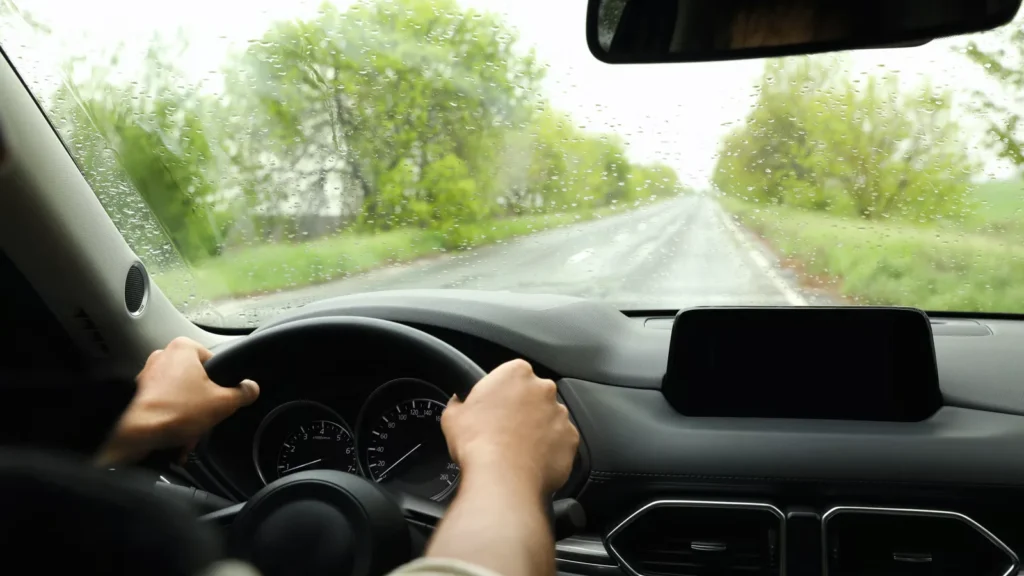
Few driving situations are as unsettling as feeling your vehicle lose traction. Whether caused by rain, snow, ice, loose gravel, or sudden steering or braking, a skid can happen quickly and leave drivers unsure how to respond.
Knowing what to do during a skid can help you regain control and reduce the risk of a crash. The key is to stay calm, avoid overreacting, and make smooth, controlled movements instead of sudden ones.
Modern vehicles often include safety features such as Anti-Lock Braking Systems (ABS) and Electronic Stability Control (ESC), but these technologies cannot eliminate the effects of poor traction. Drivers still need to understand how skids happen and how to respond safely.
While road conditions vary across the United States, the defensive driving techniques in this guide can help drivers handle skids in many situations.
What Is a Vehicle Skid?
A skid occurs when one or more tires lose traction with the road surface, causing the vehicle to slide instead of following the driver's intended path.
Skids may occur because of:
- Wet pavement.
- Snow or ice.
- Loose gravel.
- Oil on the roadway.
- Driving too fast for conditions.
- Sudden braking.
- Sharp steering movements.
- Rapid acceleration.
The faster a vehicle is traveling, the more difficult it may be to regain control after a skid begins.
Why Do Cars Skid?
Tires depend on friction with the road to steer, accelerate, and brake effectively.
When traction decreases, the tires may no longer respond as expected.
Common causes include:
Driving Too Fast for Conditions
Even when driving within the posted speed limit, speed may be unsafe during rain, snow, or icy conditions.
Sudden Braking
Hard braking can lock the wheels on vehicles without ABS or overwhelm available traction on slippery roads.
Sharp Steering
Turning the steering wheel abruptly can cause tires to lose grip, especially on wet or icy pavement.
Rapid Acceleration
Applying too much power too quickly may cause the drive wheels to spin instead of gripping the road.
Stay Calm
The most important first step during any skid is to remain as calm as possible.
Panicking often leads to sudden braking or excessive steering, both of which can make the skid worse.
Instead:
- Keep both hands on the steering wheel.
- Look where you want the vehicle to go.
- Make smooth, controlled movements.
Focusing on your intended path helps guide your steering in the correct direction.
Ease Off the Accelerator
If your vehicle begins to skid, gently remove your foot from the accelerator.
Reducing power allows the tires a better chance to regain traction.
Avoid accelerating during the skid unless your vehicle's manufacturer specifically recommends a different technique for certain driving conditions.
Steer in the Direction You Want the Vehicle to Go
One of the most commonly taught skid recovery techniques is to steer toward your intended path of travel.
For example:
- If the rear of the vehicle slides to the right, gently steer right.
- If the rear slides to the left, gently steer left.
Avoid making large or sudden steering corrections, as this can cause the vehicle to skid in the opposite direction.
As traction returns, smoothly straighten the steering wheel.
Avoid Slamming on the Brakes
Many drivers instinctively press the brake pedal hard during a skid.
In many situations, sudden braking can reduce traction further and make it more difficult to regain control.
Instead:
- Ease off the accelerator.
- Allow the tires to regain grip.
- Brake only when necessary and as conditions permit.
The correct braking technique depends in part on whether your vehicle is equipped with ABS.
What If Your Car Has Anti-Lock Brakes (ABS)?
Most modern vehicles sold in the United States have Anti-Lock Braking Systems (ABS).
If you must brake hard in an emergency and your vehicle has ABS:
- Press the brake pedal firmly.
- Continue applying steady pressure.
- Allow the ABS to operate.
You may feel the brake pedal vibrate or pulse. This is normal and indicates the system is helping prevent wheel lockup.
Do not pump the brakes if your vehicle has ABS.
What If Your Car Does Not Have ABS?
Older vehicles without ABS require a different approach.
If hard braking causes the wheels to lock:
- Ease off the brake pedal slightly.
- Reapply braking smoothly as traction returns.
Avoid locking the wheels for an extended period because steering control is reduced when tires are sliding.
Recovering From Different Types of Skids
Rear-Wheel Skid (Oversteer)
A rear-wheel skid happens when the back of the vehicle slides sideways.
Recovery generally involves:
- Looking toward your intended path.
- Easing off the accelerator.
- Steering gently in the direction of the skid.
- Straightening the steering wheel as traction returns.
Front-Wheel Skid (Understeer)
A front-wheel skid occurs when the front tires lose grip and the vehicle continues straight despite steering input.
To recover:
- Ease off the accelerator.
- Avoid turning the wheel more sharply.
- Wait for the front tires to regain traction.
- Continue steering smoothly once control returns.
What If You Hydroplane?
Hydroplaning happens when tires ride on a layer of water instead of maintaining contact with the pavement.
Signs of hydroplaning include:
- A light steering feel.
- Reduced steering response.
- The engine revving higher if drive wheels lose traction.
If hydroplaning occurs:
- Stay calm.
- Ease off the accelerator.
- Keep the steering wheel steady.
- Avoid sudden braking.
- Allow the tires to regain contact with the road.
Driving at lower speeds and maintaining proper tire tread can reduce the risk of hydroplaning.
How to Prevent a Skid
Preventing a skid is much easier than recovering from one.
Safe driving habits include:
Reduce Speed in Bad Weather
Slow down during:
- Rain.
- Snow.
- Ice.
- Fog.
Driving too fast for conditions is one of the leading causes of skids.
Increase Following Distance
Extra space provides more time to react and reduces the need for sudden braking.
Avoid Sudden Movements
Smooth steering, braking, and acceleration help maintain traction.
Maintain Your Tires
Check:
- Tire pressure.
- Tread depth.
- Overall tire condition.
Properly maintained tires improve grip and vehicle control.
Keep Your Vehicle Maintained
Regular inspections of brakes, suspension, and steering components contribute to safer handling.
Common Mistakes During a Skid
Braking Too Hard
Panic braking often reduces control on slippery roads.
Overcorrecting the Steering Wheel
Large steering corrections may cause the vehicle to skid in the opposite direction.
Looking at Obstacles
Drivers tend to steer where they look. Focus on the path you want to follow rather than the hazard.
Driving Too Fast for Weather Conditions
Many skids occur because drivers fail to adjust speed during rain, snow, or icy conditions.
Ignoring Tire Maintenance
Worn tires have less traction and increase the likelihood of losing control.
Frequently Asked Questions About Car Skids
What should you do first if your car starts to skid?
Stay calm, ease off the accelerator, and steer smoothly toward your intended path while avoiding sudden movements.
Should you brake during a skid?
It depends on the situation. Sudden braking can worsen some skids. If your vehicle has ABS and emergency braking is necessary, apply firm, steady pressure to the brake pedal.
What causes hydroplaning?
Hydroplaning occurs when tires lose contact with the road because of water buildup between the tires and the pavement.
Can Electronic Stability Control prevent every skid?
No. Electronic Stability Control can help improve vehicle stability in certain situations, but it cannot overcome the laws of physics or compensate for excessive speed or severely reduced traction.
How can you reduce the chances of skidding?
Drive at safe speeds, maintain your tires, increase following distance, and make smooth steering and braking movements.
Conclusion
A vehicle skid can happen unexpectedly, but knowing how to respond can make a significant difference. Remaining calm, easing off the accelerator, steering smoothly, and understanding how your vehicle's braking system works are essential skills for every driver.
The best way to handle a skid, however, is to prevent one. Adjusting your speed for weather conditions, maintaining your vehicle, and practicing defensive driving habits can greatly reduce the likelihood of losing traction.
By understanding why skids occur and how to recover safely, drivers can be better prepared for changing road conditions throughout the United States.
Related guides