How to Drive Safely Around Trucks and Buses: Essential Safety Tips

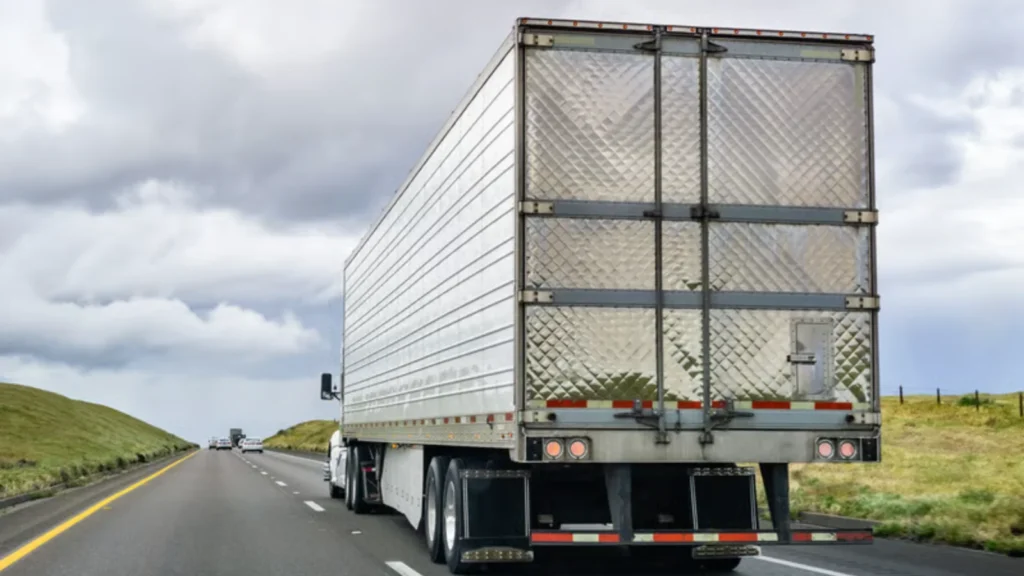
Sharing the road with large trucks and buses is part of everyday driving in the United States. Commercial trucks transport goods across the country, while school buses, transit buses, and motorcoaches carry millions of passengers every day. Because these vehicles are much larger and heavier than passenger cars, they handle differently and require more space to operate safely.
Many crashes involving large vehicles occur because passenger vehicle drivers misunderstand their limitations. Trucks and buses have larger blind spots, longer stopping distances, and wider turning paths than smaller vehicles. Understanding these differences helps drivers make safer decisions and reduce the risk of collisions.
Although traffic laws vary by state, the defensive driving techniques in this guide apply to drivers throughout the United States.
Why Large Vehicles Require Extra Caution
Large trucks and buses differ from passenger vehicles in several important ways.
Compared with a typical car, they generally have:
- Longer stopping distances.
- Larger blind spots.
- Wider turning radiuses.
- Slower acceleration.
- Greater vehicle weight.
- Higher seating positions for drivers.
These differences mean that drivers of passenger vehicles should allow additional space and avoid actions that limit a truck or bus driver's ability to respond safely.
Understand Truck Blind Spots
One of the most important safety concepts is understanding a truck's blind spots, often called "No Zones."
Blind spots are areas around a vehicle where the driver cannot easily see other road users through mirrors.
Large trucks typically have blind spots:
- Directly in front of the truck.
- Directly behind the trailer.
- Along both sides, especially the right side.
If you cannot see the truck driver's face in the side mirror, the driver may not be able to see you.
Avoid driving alongside a truck longer than necessary, especially near its blind spots.
Leave Plenty of Following Distance
Following too closely behind a truck or bus reduces your ability to react if traffic slows suddenly.
Large vehicles can block your view of traffic ahead, making it difficult to anticipate hazards.
A greater following distance allows you to:
- See farther ahead.
- React more smoothly.
- Avoid sudden braking.
It also gives the truck or bus driver more room if they need to slow down unexpectedly.
Pass Large Trucks Carefully
Passing a truck requires patience and good judgment.
Before passing:
- Make sure the left lane is clear.
- Signal your intention.
- Accelerate smoothly.
- Pass without lingering beside the truck.
- Return to your lane only after you can clearly see the entire truck in your rearview mirror.
Avoid cutting back into the lane too soon. Trucks require more stopping distance than passenger vehicles, and leaving too little space can create a dangerous situation.
Never Pass on the Right Unless It Is Safe and Legal
The right side of a large truck usually has one of its largest blind spots.
Passing on the right may be legal on some multi-lane roads, depending on state law, but it is generally less safe because the truck driver may have limited visibility.
Whenever possible, pass on the left where visibility is typically better.
Give Trucks Extra Room to Turn
Large trucks often need additional space to complete turns safely.
For example, a truck making a right turn may first move slightly left before turning right. This maneuver allows the trailer to clear the corner.
Passenger vehicle drivers should:
- Never squeeze between a turning truck and the curb.
- Stay behind the truck until the turn is complete.
- Expect wide turns at intersections.
Trying to pass a turning truck can lead to a serious collision.
Understand Longer Stopping Distances
Because of their weight, large trucks generally require more distance to stop than passenger cars.
This is especially true when:
- Roads are wet.
- Vehicles are heavily loaded.
- Speeds are higher.
Avoid pulling directly in front of a truck unless there is enough space for the truck to slow safely if necessary.
Be Careful Around Buses
Buses share many of the same characteristics as trucks, including larger blind spots and longer stopping distances.
Drivers should:
- Give buses enough room when merging.
- Expect frequent stops by transit buses.
- Watch for passengers crossing near bus stops.
- Avoid passing when it is unsafe or prohibited.
School buses require additional attention because they follow special traffic laws in every state regarding loading and unloading students.
Always obey school bus warning lights and stop requirements according to your state's laws.
Merging Near Large Vehicles
Highway merging can be more challenging around trucks and buses.
When entering a highway:
- Match the speed of traffic.
- Use the acceleration lane when available.
- Avoid forcing a truck to brake suddenly.
- Merge only when there is enough space.
If you are already on the highway, changing lanes to allow merging traffic can improve safety when conditions permit.
Driving Beside Large Trucks
Avoid staying next to a truck for long periods.
Driving alongside a truck:
- Keeps you in its blind spot.
- Reduces your escape options.
- Increases risk if the truck changes lanes.
When possible, either pass safely or remain behind the truck at a safe following distance.
Be Cautious in Bad Weather
Rain, snow, fog, and strong winds affect all vehicles, including commercial trucks and buses.
During poor weather:
- Increase following distance.
- Reduce speed.
- Avoid sudden lane changes.
- Expect longer stopping distances.
Strong crosswinds can also affect high-profile vehicles such as tractor-trailers and buses.
Watch for Wide Turns and Lane Position
Large vehicles may use more than one lane while turning or navigating narrow roads.
Do not assume a truck is changing lanes simply because it moves toward the center of the road before making a turn.
Give the driver enough room to complete the maneuver safely.
Common Mistakes Drivers Make Around Trucks and Buses
Following Too Closely
Tailgating limits visibility and leaves little time to react.
Cutting Off a Truck
Entering a truck's lane with too little space can force the driver to brake suddenly.
Driving in Blind Spots
Remaining beside a truck increases the chance that the truck driver cannot see your vehicle.
Passing Too Slowly
Lingering beside a truck exposes you to unnecessary risk.
Trying to Pass During a Wide Turn
Attempting to pass a truck while it is turning can result in a collision because the trailer may swing into adjacent space.
Defensive Driving Tips Around Large Vehicles
Good defensive driving habits include:
- Stay out of blind spots whenever possible.
- Leave extra following distance.
- Signal lane changes early.
- Pass efficiently and legally.
- Expect trucks to need additional space.
- Stay patient during slow traffic or turns.
These simple habits help both passenger vehicle drivers and commercial vehicle operators share the road more safely.
Frequently Asked Questions About Driving Around Trucks and Buses
Why do trucks need more space to stop?
Large trucks are much heavier than passenger vehicles, which generally increases the distance needed to slow and stop safely.
Is it safe to drive beside a truck?
It is safer to avoid remaining beside a truck for long periods because of its large blind spots.
Why do trucks swing left before turning right?
Large trucks often need extra space to complete right turns without the trailer striking curbs or other obstacles.
Should you pass a truck on the right?
Passing on the right may be legal in some situations, but it is generally less safe because the truck driver's visibility is more limited on that side.
How much following distance should you leave behind a truck?
Leave enough space to clearly see the truck's mirrors and to provide sufficient reaction time. Increase following distance further during bad weather or heavy traffic.
Conclusion
Driving safely around trucks and buses requires patience, awareness, and an understanding of how large vehicles operate. Their size, weight, blind spots, and turning characteristics make it essential for passenger vehicle drivers to leave extra space and avoid unnecessary risks.
By maintaining a safe following distance, staying out of blind spots, passing carefully, and respecting the limitations of large vehicles, drivers can help reduce crashes and improve safety for everyone on the road.
Safe driving is a shared responsibility, and understanding how to interact with trucks and buses is an important part of becoming a confident and responsible driver.
Related guides