Car Safety Checklist Before a Long Trip: Essential Pre-Trip Guide

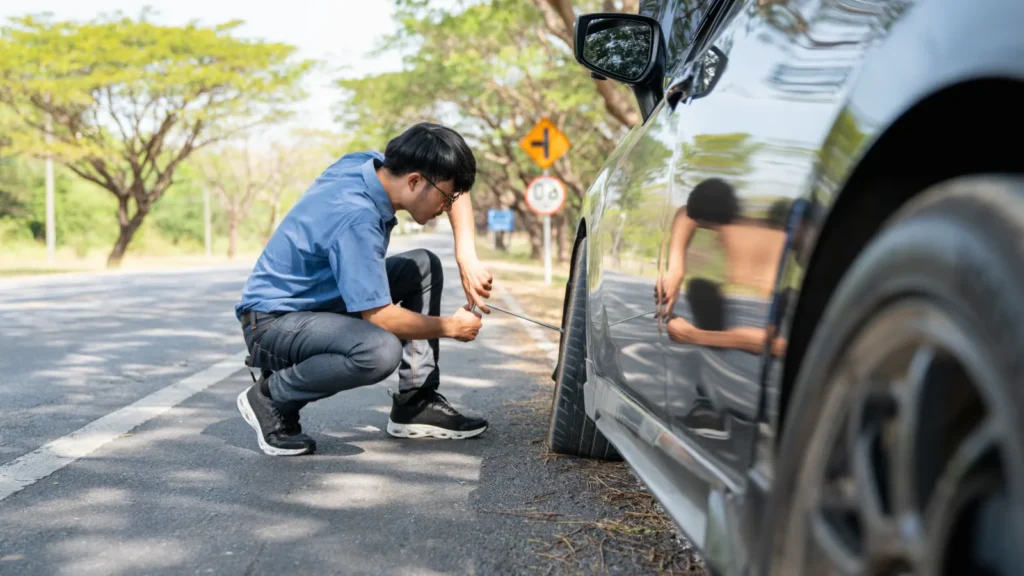
Preparing your vehicle before a long trip is one of the simplest ways to improve safety and reduce the chances of unexpected breakdowns. Whether you're planning a weekend getaway, a cross-country vacation, or a long business drive, taking a few minutes to inspect your vehicle can help prevent mechanical problems and make your trip more enjoyable.
Many roadside emergencies are caused by issues that could have been identified before leaving, such as underinflated tires, worn windshield wipers, low fluid levels, or a weak battery. While no inspection can eliminate every risk, a basic pre-trip safety check helps ensure your vehicle is ready for the road.
This checklist covers the essential items every driver should inspect before a long drive. Vehicle maintenance recommendations may vary by manufacturer, so always refer to your owner's manual for model-specific guidance.
Why a Pre-Trip Vehicle Inspection Matters
Long trips often involve extended highway driving, changing weather conditions, unfamiliar roads, and long periods between service stations.
Checking your vehicle before departure can help:
- Reduce the risk of mechanical problems.
- Improve vehicle performance.
- Increase driving safety.
- Prevent unnecessary delays.
- Identify maintenance needs before they become serious.
A few simple inspections can provide peace of mind and help you avoid costly repairs during your trip.
Check Your Tires
Your tires are the only part of the vehicle that contacts the road, making them one of the most important safety components.
Before leaving, inspect:
Tire Pressure
Check tire pressure when the tires are cold and inflate them according to the vehicle manufacturer's recommended pressure, which is usually found on the driver's door jamb or in the owner's manual.
Proper tire pressure helps:
- Improve handling.
- Reduce tire wear.
- Increase fuel efficiency.
- Lower the risk of tire failure.
Do not rely solely on the maximum pressure printed on the tire sidewall.
Tire Tread
Adequate tread helps maintain traction, especially during rain.
Look for:
- Uneven wear.
- Cracks.
- Cuts.
- Objects embedded in the tire.
If the tread is significantly worn, replace the tires before a long trip.
Spare Tire
If your vehicle has a spare tire, verify that it is properly inflated and in good condition.
Also confirm that the jack and tire-changing tools are present.
Check Engine Oil
Engine oil lubricates moving engine parts and helps prevent excessive wear.
Before a long trip:
- Park on level ground.
- Check the oil level using the dipstick if your vehicle is equipped with one.
- Add the recommended oil if needed.
If your vehicle is due for an oil change, consider completing the service before traveling.
Inspect Other Important Fluids
Several fluids are essential for safe vehicle operation.
Check the levels and condition of:
- Engine coolant.
- Brake fluid.
- Transmission fluid (if applicable and according to the owner's manual).
- Power steering fluid (if applicable).
- Windshield washer fluid.
Never remove the radiator cap while the engine is hot.
Test Your Battery
A weak battery is one of the most common reasons vehicles fail to start.
Before a long trip:
- Check for corrosion around the battery terminals.
- Make sure the connections are secure.
- Consider having the battery tested if it is several years old or has shown signs of weakness.
If your vehicle starts slowly or the battery is nearing the end of its expected service life, replacing it before your trip may help avoid unexpected problems.
Inspect Lights
Proper lighting helps you see the road and allows other drivers to see your vehicle.
Check that all lights are working correctly, including:
- Headlights.
- High beams.
- Brake lights.
- Taillights.
- Turn signals.
- Hazard lights.
- Reverse lights.
Replace burned-out bulbs before your trip.
Check Windshield Wipers and Washer System
Good visibility is essential, especially if you encounter rain or road spray.
Inspect:
- Wiper blades for cracks or wear.
- Windshield washer fluid level.
- Washer spray operation.
Replace worn wiper blades if they leave streaks or fail to clear the windshield effectively.
Test Your Brakes
Brakes should respond smoothly without unusual noises or vibrations.
Watch for signs such as:
- Squealing or grinding sounds.
- Soft brake pedal.
- Vehicle pulling to one side while braking.
- Vibrations during braking.
If you notice any of these symptoms, have your brakes inspected before beginning a long trip.
Check Belts and Hoses
Under the hood, inspect visible belts and hoses for:
- Cracks.
- Fraying.
- Bulges.
- Leaks.
Damaged components can fail during long drives and may lead to overheating or engine problems.
Clean Your Windows and Mirrors
Clean glass improves visibility and reduces glare.
Before leaving, clean:
- Windshield.
- Side windows.
- Rear window.
- Mirrors.
- Headlight lenses.
A clean windshield also helps windshield wipers perform more effectively during rain.
Pack an Emergency Kit
Even well-maintained vehicles can experience unexpected problems.
A basic emergency kit may include:
- Flashlight.
- Extra batteries.
- First aid kit.
- Jumper cables.
- Drinking water.
- Nonperishable snacks.
- Blanket.
- Phone charging cable.
- Reflective warning triangles or road flares where permitted.
- Basic hand tools.
Drivers traveling through remote areas may also consider carrying additional emergency supplies based on local conditions.
Check Weather and Road Conditions
Before starting your trip, review:
- Weather forecasts.
- Road construction updates.
- Traffic conditions.
- Alternate routes if necessary.
Preparing for changing conditions can help reduce stress and improve travel safety.
Plan Fuel Stops
If your trip includes rural highways or remote areas, identify fuel stations along your route.
Avoid allowing the fuel tank to become nearly empty, especially where services may be limited.
Secure Cargo Properly
Loose items inside a vehicle can become dangerous during sudden stops.
Before leaving:
- Secure luggage.
- Avoid blocking rear visibility.
- Place heavier items low and toward the center of the cargo area.
- Make sure roof cargo is properly attached if using a roof rack.
Properly secured cargo also improves vehicle stability.
Make Sure Safety Equipment Is Available
Before a long drive, verify that your vehicle has:
- Registration and proof of insurance.
- Spare tire and jack (if applicable).
- Tire pressure gauge.
- Owner's manual.
- Emergency contact information.
Having these items available can make roadside situations easier to manage.
Common Pre-Trip Mistakes
Skipping Tire Pressure Checks
Incorrect tire pressure can affect handling, fuel economy, and tire life.
Ignoring Dashboard Warning Lights
If a warning light remains illuminated, determine its cause before beginning your trip.
Waiting Until the Last Minute
Inspecting your vehicle the day before departure provides time to address any problems.
Forgetting the Spare Tire
Many drivers inspect only the four tires on the road and overlook the spare.
Packing Too Much Weight
Overloading a vehicle can affect braking, handling, and tire performance.
Always follow your vehicle manufacturer's weight limits.
Frequently Asked Questions About Preparing for a Long Trip
What should you check on your car before a long drive?
Inspect tires, fluid levels, lights, brakes, battery, windshield wipers, and other essential safety equipment before leaving.
How do you know if your tires are ready for a road trip?
Check tire pressure, tread depth, and look for visible damage such as cracks, cuts, or uneven wear.
Should you get an oil change before a long trip?
If your vehicle is close to its recommended oil change interval, servicing it before a long drive is generally a good idea.
What emergency supplies should you carry?
A flashlight, first aid kit, jumper cables, water, basic tools, and other emergency supplies can be useful if unexpected situations occur.
Why is checking the weather important before traveling?
Weather affects road conditions, visibility, and travel time. Reviewing forecasts helps drivers prepare for changing conditions.
Conclusion
A successful road trip begins before you start the engine. Taking time to inspect your vehicle, confirm that essential systems are working properly, and prepare for unexpected situations can significantly improve both safety and reliability.
From checking tire pressure and fluid levels to packing an emergency kit and planning your route, each step helps reduce the risk of problems on the road.
A few minutes of preparation can make a long drive safer, more comfortable, and more enjoyable for everyone in the vehicle.
Related guides