How to Handle a Tire Blowout While Driving: Stay Safe on the Road

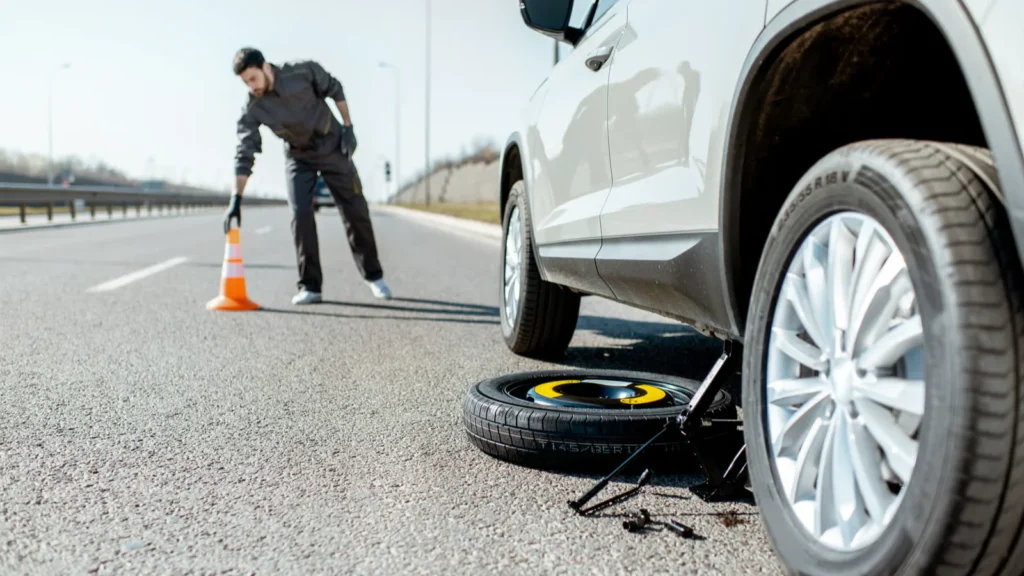
A tire blowout is one of the most alarming situations a driver can experience. The sudden loss of tire pressure can affect steering, braking, and vehicle stability, especially at highway speeds. Although blowouts are relatively uncommon with properly maintained tires, they can happen because of road hazards, underinflation, excessive wear, overloading, or tire damage.
Knowing how to respond calmly can make a significant difference in maintaining control of your vehicle and reducing the risk of a crash. Many drivers instinctively slam on the brakes or make sudden steering corrections, but these reactions can make the situation more dangerous.
This guide explains what causes tire blowouts, the steps to take if one occurs, and how to reduce the chances of experiencing one in the future.
What Is a Tire Blowout?
A tire blowout occurs when a tire rapidly loses air pressure due to a sudden failure of the tire structure.
Unlike a slow leak, a blowout happens quickly and can immediately affect how the vehicle handles. Depending on which tire fails and your speed at the time, you may notice:
- A loud popping or banging sound.
- The vehicle pulling to one side.
- Difficulty steering.
- Strong vibrations.
- A flapping noise from the damaged tire.
While a blowout can feel dramatic, remaining calm is the most important first step.
What Causes a Tire Blowout?
Several factors can increase the risk of a tire blowout.
Common causes include:
- Underinflated tires.
- Overinflated tires.
- Worn tire tread.
- Potholes or road debris.
- Overloading the vehicle.
- Tire damage from previous impacts.
- Excessive heat buildup during long drives.
Routine tire maintenance can significantly reduce the likelihood of a blowout.
Stay Calm and Keep Both Hands on the Steering Wheel
The first priority is maintaining control of the vehicle.
If a tire blows out:
- Keep a firm grip on the steering wheel.
- Stay focused on the road ahead.
- Avoid sudden steering movements.
The vehicle may pull toward the side of the damaged tire, but smooth steering corrections are usually more effective than aggressive ones.
Avoid Slamming on the Brakes
One of the most common mistakes during a blowout is braking hard immediately.
Sudden braking can:
- Increase loss of control.
- Cause the vehicle to skid.
- Make steering more difficult.
Instead, allow the vehicle to slow gradually while maintaining control.
Once the vehicle has stabilized and your speed has decreased, begin applying the brakes gently if needed.
Ease Off the Accelerator
Gradually release the accelerator instead of lifting your foot abruptly.
Allowing the vehicle to slow naturally helps maintain stability while reducing stress on the remaining tires.
Avoid sudden acceleration or rapid speed changes.
Keep the Vehicle Moving Straight
Focus on maintaining your lane while slowing down.
Do not make sharp turns toward the shoulder immediately after the blowout.
Once the vehicle is stable and traffic conditions allow, carefully steer toward a safe location off the roadway.
Move to a Safe Location
After slowing to a safe speed:
- Signal your intention.
- Check surrounding traffic.
- Carefully move onto the shoulder or another safe area away from moving traffic.
If possible, stop on a level surface with enough space between your vehicle and passing traffic.
Avoid stopping on curves or in areas with limited visibility unless no safer option is available.
Turn on Your Hazard Lights
Once your vehicle is safely stopped:
- Turn on the hazard warning lights.
- Make your vehicle more visible to other drivers.
- Stay alert for passing traffic.
Hazard lights help warn approaching drivers that your vehicle is disabled.
Assess the Situation Safely
Before exiting the vehicle:
- Look for approaching traffic.
- Exit from the side away from traffic whenever possible.
- Move yourself and passengers to a safe location if conditions require.
If stopping on a busy highway, remain aware of surrounding traffic at all times.
Decide Whether to Change the Tire or Call for Assistance
Whether you should replace the tire yourself depends on several factors, including:
- Your location.
- Traffic conditions.
- Weather.
- Your experience changing tires.
- Whether your vehicle has a usable spare tire.
If conditions are unsafe or you are unsure how to change the tire, contacting roadside assistance is often the safest choice.
Does It Matter Which Tire Blows Out?
Yes. A blowout can affect vehicle handling differently depending on which tire fails.
Front Tire Blowout
A front tire blowout often has a greater effect on steering because the front tires help control the vehicle's direction.
Drivers may notice:
- Strong pulling to one side.
- Increased steering effort.
- Reduced directional control.
Maintaining a steady grip on the steering wheel is especially important.
Rear Tire Blowout
A rear tire blowout may cause the back of the vehicle to feel unstable or sway.
Avoid sudden steering corrections that could increase instability.
In either case, smooth and controlled inputs are the safest response.
How to Prevent a Tire Blowout
Although not every blowout can be prevented, regular maintenance greatly reduces the risk.
Check Tire Pressure Regularly
Use a reliable tire pressure gauge and inflate tires according to the vehicle manufacturer's recommended pressure.
Check pressure when the tires are cold for the most accurate reading.
Inspect Tire Tread
Replace tires that show:
- Excessive wear.
- Uneven tread.
- Cracks.
- Bulges.
- Cuts.
Healthy tread improves traction and reduces the chance of tire failure.
Avoid Overloading Your Vehicle
Every vehicle has a maximum load capacity.
Exceeding this limit places additional stress on the tires and increases heat buildup during driving.
Watch for Road Hazards
Potholes, sharp debris, and damaged pavement can weaken tires.
When possible, safely avoid hazards without making sudden steering movements.
Rotate and Maintain Tires
Regular tire rotation and wheel alignment promote even tire wear and improve overall performance.
Follow the maintenance schedule recommended by your vehicle manufacturer.
Common Mistakes During a Tire Blowout
Braking Immediately
Hard braking can reduce vehicle stability and make control more difficult.
Jerking the Steering Wheel
Large steering corrections may cause the vehicle to leave the roadway or enter another lane.
Panicking
Calm, deliberate actions are more effective than sudden reactions.
Ignoring Tire Maintenance
Many blowouts are associated with worn, damaged, or improperly inflated tires.
Routine inspections help reduce these risks.
Continuing to Drive After Stopping
Driving on a severely damaged tire can cause additional damage to the wheel, suspension, or braking system.
If a tire has failed, replace it or seek professional assistance before continuing.
Frequently Asked Questions About Tire Blowouts
What should you do first if a tire blows out?
Keep both hands on the steering wheel, stay calm, ease off the accelerator, and avoid sudden braking or steering.
Should you brake immediately during a blowout?
No. In most situations, it is safer to allow the vehicle to slow gradually before applying the brakes gently once control has been regained.
Can a tire blowout cause you to lose control?
Yes. A blowout can affect steering and stability, particularly at higher speeds. Smooth steering and controlled speed reduction help improve vehicle control.
What causes most tire blowouts?
Common causes include underinflation, worn tires, road hazards, overloading, and excessive heat.
Can proper tire maintenance prevent blowouts?
Regular inspections, proper inflation, tire rotation, and replacing worn tires significantly reduce the likelihood of a blowout.
Conclusion
A tire blowout can be frightening, but knowing how to respond can help you stay in control and avoid making the situation worse. Remaining calm, holding the steering wheel firmly, easing off the accelerator, and avoiding sudden braking are the key steps to recovering safely.
Preventive maintenance is equally important. Regularly checking tire pressure, inspecting tread, and avoiding overloaded vehicles can greatly reduce the risk of tire failure.
By preparing for emergencies before they happen, drivers can travel more confidently and safely on roads throughout the United States.
Related guides