Lane Change Rules: How to Change Lanes Safely

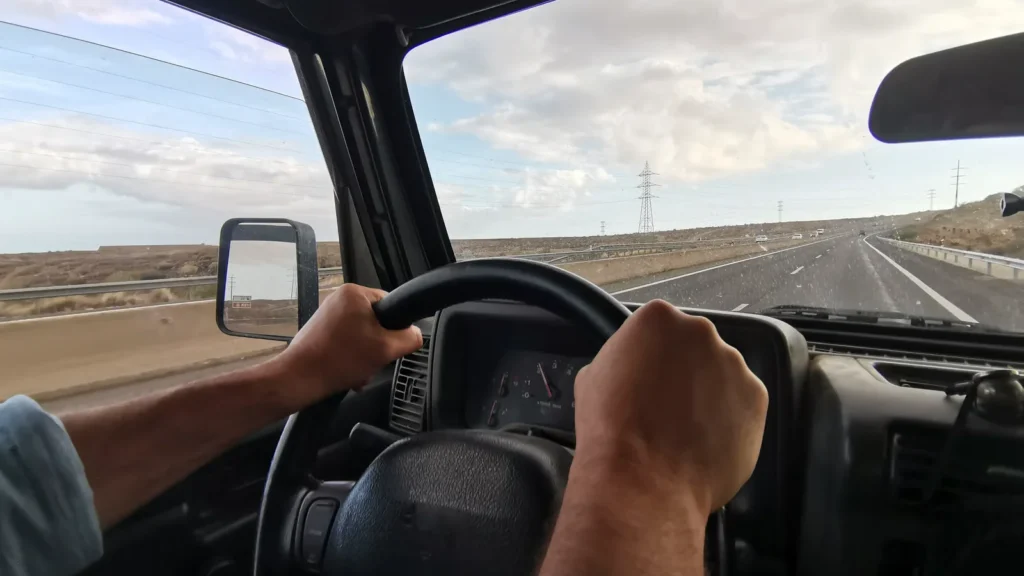
Changing lanes is one of the most common driving actions in the United States. Drivers change lanes when entering highways, preparing for turns, avoiding obstacles, or adjusting to traffic flow. Although the maneuver seems simple, improper lane changes are a major cause of traffic conflicts and crashes.
Safe lane changes require more than turning the steering wheel. Drivers must check traffic conditions, use signals correctly, understand blind spots, and make sure there is enough space before moving.
Lane change laws are generally similar throughout the United States, but specific requirements can vary by state. Drivers should always follow local traffic laws and roadway signs.
Learning proper lane change techniques helps new and experienced drivers navigate roads more safely and confidently.
What Is a Lane Change?
A lane change occurs when a vehicle moves from one traffic lane into another lane traveling in the same direction.
Common situations that require a lane change include:
- Entering or exiting a highway.
- Moving around a slower vehicle.
- Preparing for a left or right turn.
- Avoiding stopped vehicles or road hazards.
- Positioning for an upcoming exit.
A legal lane change requires the driver to make sure the movement can be completed safely without interfering with other vehicles.
Basic Lane Change Rules in the United States
Before changing lanes, drivers should follow a simple process:
- Check traffic conditions.
- Signal the intended movement.
- Check mirrors and blind spots.
- Move into the lane only when there is enough space.
- Adjust speed to match surrounding traffic.
A driver changing lanes must yield to vehicles already traveling in the lane they want to enter.
For example, if a vehicle is already traveling in the right lane and another driver wants to move into that lane, the driver changing lanes must wait for a safe opening.
The Proper Lane Change Method: Signal, Mirror, Blind Spot
A safe lane change involves three important checks.
Use Your Turn Signal
Turn signals communicate your intentions to other drivers. Signaling gives surrounding vehicles time to react and helps prevent sudden movements.
Drivers should signal:
- Before beginning the lane change.
- Early enough for others to understand the intended movement.
- Every time a lane change is made.
A turn signal does not give a driver automatic permission to move into another lane. It only communicates the intention to change lanes.
Check Your Mirrors
Before moving, check:
- Rearview mirror.
- Side mirrors.
- Traffic behind and beside your vehicle.
Mirrors help identify vehicles approaching from behind or traveling in nearby lanes.
However, mirrors do not show every area around your vehicle.
Check Your Blind Spot
Blind spots are areas around a vehicle that cannot be seen through mirrors.
A quick shoulder check helps identify vehicles, motorcycles, or bicycles that may be hidden.
Blind spot checks are especially important:
- On highways.
- During heavy traffic.
- Around motorcycles.
- Near bicycles and other smaller vehicles.
How to Change Lanes on a Highway
Highway lane changes require extra attention because vehicles are usually traveling at higher speeds.
A safe highway lane change includes:
Maintain a Safe Following Distance
Do not begin a lane change when you are too close to the vehicle ahead or behind you.
Match Traffic Speed
Drivers entering faster-moving lanes should adjust speed appropriately. Moving too slowly can create conflicts with approaching traffic.
Find a Safe Gap
A safe opening should provide enough space for your vehicle without forcing another driver to brake suddenly.
Move Smoothly
Avoid sudden steering movements. A controlled lane change helps maintain vehicle stability.
Lane Changes in Heavy Traffic
Traffic congestion can make lane changes more challenging.
Drivers should:
- Be patient.
- Avoid aggressive movements.
- Leave enough space between vehicles.
- Watch for motorcycles and smaller vehicles.
A common mistake is changing lanes repeatedly to move slightly faster. Frequent lane changes can increase risk without significantly improving travel time.
Lane Changes at Intersections
Drivers should be careful when changing lanes near intersections.
Potential hazards include:
- Turning vehicles.
- Pedestrians.
- Cross traffic.
- Vehicles entering from side streets.
Some states restrict lane changes near intersections, especially in areas with heavy traffic. Drivers should follow local signs and roadway markings.
Lane Change Rules for Passing
When passing another vehicle, drivers must follow passing laws and lane change rules.
A safe pass requires:
- Checking that passing is permitted.
- Signaling before changing lanes.
- Ensuring enough space exists.
- Returning to the proper lane when safe.
Drivers should not change lanes suddenly just because another vehicle is moving slower.
Lane Change Rules and Motorcycles
Motorcycles are smaller and can be harder to see in mirrors.
Drivers should:
- Check blind spots carefully.
- Avoid assuming a lane is empty.
- Give motorcycles enough space.
- Signal before moving.
Motorcycle awareness is especially important during highway driving and heavy traffic.
Lane Change Rules and Bicycles
Drivers sharing roads with bicycles must take extra care.
Before changing lanes, check for:
- Bicycle lanes.
- Cyclists approaching from behind.
- Vehicles or bicycles in adjacent lanes.
Many states have specific bicycle safety laws, including requirements for passing distance and lane use.
Common Lane Change Mistakes
Not Using a Turn Signal
Failing to signal reduces communication between drivers and can cause sudden conflicts.
Checking Only Mirrors
Mirrors do not show all surrounding traffic. Blind spot checks are necessary.
Moving Too Quickly
A rushed lane change can cause a collision if another vehicle is nearby.
Entering Without Enough Space
Drivers should never force their way into another lane.
Forgetting to Cancel the Signal
After completing a lane change, drivers should make sure the turn signal is no longer active.
Changing Lanes in a Blind Spot
Avoid moving beside another vehicle where neither driver has good visibility.
Lane Discipline and Choosing the Correct Lane
Good lane discipline helps reduce unnecessary lane changes.
Drivers should:
- Choose the correct lane before turns.
- Follow lane markings.
- Avoid staying in passing lanes unnecessarily.
- Adjust position based on traffic conditions.
On highways, slower traffic is generally expected to keep right, while left lanes are often used for passing. Specific requirements vary by state.
When Should You Avoid Changing Lanes?
Sometimes the safest decision is to stay in your current lane.
Avoid changing lanes when:
- Visibility is poor.
- Roads are icy or slippery.
- Traffic gaps are too small.
- You are distracted.
- You cannot clearly see surrounding vehicles.
Waiting for a safer opportunity is usually better than forcing a risky maneuver.
Frequently Asked Questions About Lane Changes
Who has the right of way during a lane change?
The driver already traveling in the lane generally has priority. The driver changing lanes must make sure the movement is safe.
Do you have to signal every time you change lanes?
Yes. Turn signals are required in most situations, although exact laws vary by state.
How far before changing lanes should you signal?
Signal timing requirements vary by state, but drivers should signal early enough to communicate their intention to others.
Is checking mirrors enough before changing lanes?
No. Mirrors do not cover all areas around a vehicle. Drivers should also check blind spots.
Can another driver speed up when you signal a lane change?
Other drivers should not create unsafe situations, but you are still responsible for ensuring your lane change is safe before moving.
Conclusion
Safe lane changes depend on awareness, communication, and patience. Using signals, checking mirrors, looking over blind spots, and yielding to traffic already in the lane are essential steps for avoiding collisions.
A good driver does not rush lane changes or assume other vehicles will react correctly. By following proper lane change rules and practicing defensive driving habits, motorists can move through traffic more safely and confidently.
Related guides