Speed Limit Rules: How Fast Can You Really Drive?

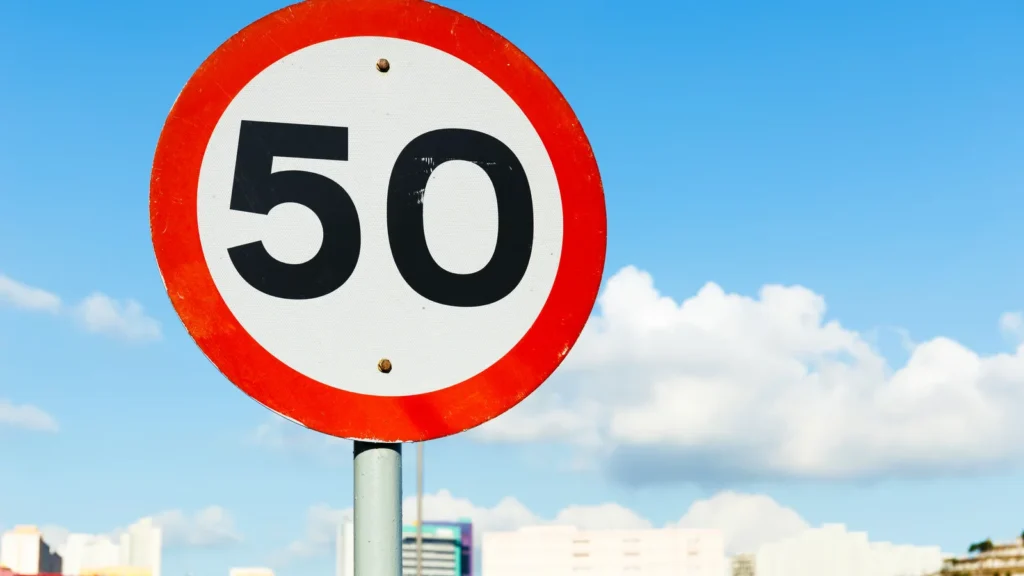
Speed limits are one of the most basic traffic rules in the United States, but many drivers have questions about how they actually work. Some drivers believe they can legally drive faster than the posted limit if traffic is moving quickly, while others are unsure how speed limits apply in different weather or road conditions.
Speed limits are established to help reduce crashes and improve road safety. They are based on factors such as road design, traffic patterns, visibility, and surrounding areas. However, following the posted speed limit is only part of responsible driving. Drivers must also adjust their speed when conditions make normal travel unsafe.
Speed limit laws vary by state, and some states have additional rules regarding speed adjustments, highways, and special zones. Understanding how speed limits work helps drivers make safer decisions and avoid violations.
What Is a Speed Limit?
A speed limit is the maximum legal speed allowed for a road under normal conditions.
Speed limits are posted through traffic signs and are enforced by state and local authorities. A driver traveling above the posted limit may receive a speeding citation, even if the road appears empty or other vehicles are traveling faster.
Speed limits are designed around typical conditions, but drivers are still responsible for operating their vehicles safely.
For example, a posted highway speed limit may be 65 mph, but heavy rain, snow, fog, or poor visibility may require a driver to slow down below that limit.
Are Speed Limits the Same in Every State?
No. Speed limits are not identical across the United States.
Each state establishes its own traffic laws, including speed limit regulations. Local governments may also set different limits on certain roads based on safety needs.
Differences can include:
- Maximum highway speeds.
- Residential area limits.
- School zone restrictions.
- Construction zone rules.
- Urban and rural road limits.
A driver traveling between states should pay attention to posted signs because speed limits can change when crossing state lines.
Common Speed Limits in the United States
While speed limits vary, many U.S. roads follow common patterns.
Residential Areas
Neighborhood streets often have lower speed limits because of:
- Pedestrians.
- Children playing near roads.
- Driveways and frequent stops.
- Limited visibility.
Typical residential speed limits are often between 20 and 35 mph, depending on state and local regulations.
School Zones
School zones often have reduced speed limits during specific hours or when children are present.
Drivers should watch for:
- School zone signs.
- Flashing warning lights.
- Time restrictions.
- Crossing guards.
School zone rules vary by location, so drivers should follow posted instructions carefully.
City Streets
Urban areas commonly have speed limits designed around traffic volume, pedestrians, bicycles, and frequent intersections.
Typical city street limits may range from 25 to 45 mph depending on the location.
Highways and Interstates
Highway speed limits are generally higher because roads are designed for faster travel and controlled access.
Common interstate speed limits range from 55 to 80 mph depending on the state and roadway.
Some rural highways have higher limits than urban highways because of different traffic conditions and road designs.
The Basic Speed Rule: You Must Drive Safely
Many states have a basic speed law requiring drivers to operate at a safe speed even when they are traveling below the posted limit.
This means the posted speed limit is not always a target speed. Drivers must consider conditions such as:
- Weather.
- Traffic.
- Road surface.
- Visibility.
- Construction.
- Pedestrian activity.
For example, driving 45 mph in a heavy rainstorm may be unsafe even if the posted speed limit is 55 mph.
Can You Drive Faster Than the Speed Limit If Traffic Is Moving Faster?
No. Other drivers traveling above the speed limit do not automatically make speeding legal.
A common misconception is that drivers can match the speed of traffic to avoid problems. However, posted speed limits still apply, and drivers may be cited for exceeding them.
Drivers should maintain a safe speed while following the law and adjusting to traffic conditions.
How Much Over the Speed Limit Is Allowed?
Many drivers believe there is a legal grace period, such as being allowed to drive a certain number of miles per hour over the limit.
In general, there is no universal nationwide rule that allows drivers to exceed the posted speed limit by a specific amount.
Some law enforcement agencies may use discretion when enforcing speeding laws, but that does not create a legal allowance. A driver traveling above the posted limit may still be considered speeding.
Speed Limits in Construction Zones
Construction zones often have reduced speed limits because of changing road conditions and the presence of workers.
Drivers should pay attention to:
- Temporary speed limit signs.
- Lane changes.
- Reduced shoulder space.
- Construction equipment.
- Workers near traffic.
Penalties for speeding in work zones vary by state. Some areas have increased fines or additional enforcement measures.
Speed Limits and Weather Conditions
Speed limits are generally posted for normal road conditions. Drivers must reduce speed when conditions make driving more difficult.
Examples include:
Rain
Wet roads can reduce tire grip and increase stopping distance.
Snow and Ice
Snow and ice can make even normal speeds unsafe because vehicles may lose traction.
Fog
Limited visibility requires slower speeds so drivers have more time to react.
Heavy Traffic
Crowded roads require drivers to maintain safer following distances and adjust speed.
Speed Limits and School Buses
Speed-related rules may become especially important around school buses and school areas.
Drivers should follow local laws regarding:
- School bus stop requirements.
- Reduced speed zones.
- Pedestrian crossings.
These rules exist because children may enter roadways unexpectedly.
Common Speed Limit Mistakes Drivers Make
Following the Flow of Traffic Instead of the Law
Some drivers assume they must match faster traffic. Safe driving requires balancing traffic awareness with legal speed limits.
Driving Too Fast for Conditions
A driver may follow the posted limit but still travel too fast for weather or road conditions.
Ignoring Speed Limit Changes
Speed limits can change quickly when entering:
- Towns.
- Construction zones.
- School areas.
- Residential neighborhoods.
Drivers should watch for signs instead of relying on memory.
Using Cruise Control Incorrectly
Cruise control can help maintain a consistent speed, but it should not replace driver attention. Drivers should avoid using it when road conditions require frequent adjustments.
How Speed Affects Driving Safety
Speed affects several important parts of vehicle control.
Higher speeds generally mean:
- Longer stopping distances.
- Less time to react.
- More severe consequences in a crash.
- Reduced ability to handle unexpected hazards.
Driving at an appropriate speed gives drivers more time to recognize and respond to changing situations.
Frequently Asked Questions About Speed Limits
Can you get a ticket for driving below the speed limit?
Yes, in some situations. Drivers who travel unnecessarily slowly and interfere with traffic may violate state traffic laws.
Are speed limits different on highways and city roads?
Yes. Highways typically have higher speed limits because of their design, while city roads often have lower limits due to pedestrians, intersections, and traffic patterns.
Does bad weather change the speed limit?
Usually, the posted speed limit does not automatically change, but drivers may be required to slow down when conditions make the posted speed unsafe.
Is driving 5 or 10 mph over the speed limit legal?
No. There is no universal rule that makes a specific amount over the speed limit legal.
Who sets speed limits in the United States?
Speed limits are generally established by state and local transportation authorities based on road conditions, safety studies, and traffic needs.
Conclusion
Speed limit rules help create safer roads by providing guidance for how fast vehicles should travel in different environments. However, safe driving requires more than simply following a number on a sign.
Drivers must understand that conditions, traffic, and road design all affect what speed is appropriate. By following posted limits, adjusting for conditions, and staying aware of surroundings, drivers can reduce risks and make safer choices behind the wheel.
Related guides