Four-Way Stop Rules: Complete Guide for New Drivers

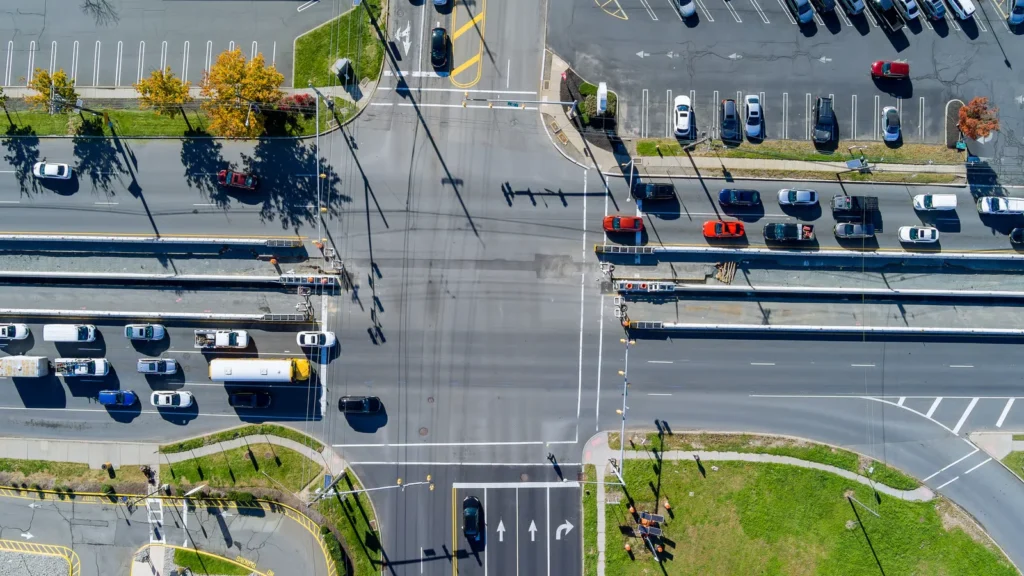
Four-way stops are one of the most common traffic situations new drivers encounter in the United States. They are found in residential neighborhoods, smaller intersections, school zones, and areas where traffic signals are not necessary. Although the concept seems simple, many drivers become uncertain when multiple vehicles arrive at the same time or when other drivers do not follow the expected order.
Understanding four-way stop rules helps drivers make safer decisions, avoid confusion, and move through intersections smoothly. The basic principles are similar across the United States, but specific traffic laws can vary by state. Drivers should always review their state driver handbook for the exact rules that apply where they live.
A four-way stop is not just about knowing who goes first. It also requires good observation, communication, and defensive driving skills.
What Is a Four-Way Stop?
A four-way stop is an intersection where every approaching direction has a stop sign. All drivers must come to a complete stop before entering the intersection.
Unlike a regular stop sign where only one direction must stop, a four-way stop requires all vehicles to follow the same basic process:
- Stop completely at the stop line, crosswalk, or before entering the intersection.
- Check for other vehicles, pedestrians, and cyclists.
- Determine who has the right of way.
- Proceed only when it is safe.
The goal is to create an organized system where drivers take turns based on when they arrive and other traffic conditions.
Who Goes First at a Four-Way Stop?
The most important four-way stop rule is:
The driver who arrives first generally goes first.
For example, if one vehicle stops at the intersection before any other vehicle arrives, that driver may proceed after checking that the intersection is clear.
A driver should not enter the intersection simply because another vehicle appears to be waiting. Drivers should confirm that it is their turn before moving.
What Happens When Two Vehicles Arrive at the Same Time?
One of the most common questions new drivers have is what happens when two vehicles stop at the same time.
The general rule used in many U.S. states is:
When two vehicles arrive at the same time, the driver on the left yields to the driver on the right.
Example:
- Vehicle A approaches from the left.
- Vehicle B approaches from the right.
- Both vehicles stop at the same time.
Vehicle A should allow Vehicle B to proceed first.
After Vehicle B passes, Vehicle A can continue when the intersection is clear.
Because exact traffic laws can differ between states, drivers should confirm their state’s specific requirements.
What If Three or Four Vehicles Arrive at the Same Time?
A four-way stop becomes more complicated when several vehicles arrive at nearly the same time.
In these situations, drivers should:
- Follow the arrival order whenever possible.
- Yield according to right-of-way rules.
- Communicate clearly with other drivers.
- Avoid rushing into the intersection.
Sometimes another driver may wave someone through. While courtesy is common, drivers should make sure the movement is safe and predictable before proceeding.
If everyone arrives at exactly the same time and no clear order exists, drivers should proceed carefully and use the right-hand rule commonly taught for simultaneous arrivals.
How to Properly Stop at a Four-Way Stop
Stopping correctly is an important part of following four-way stop rules.
Drivers should:
Stop Completely
A rolling stop is not considered a proper stop. The vehicle must stop fully before moving forward.
Stop at the Correct Location
Drivers should stop:
- Before the stop line.
- Before the crosswalk.
- Before entering the intersection if no markings are present.
Stopping too far forward can block pedestrians or reduce visibility.
Look in All Directions
Before moving, check:
- Vehicles approaching from other directions.
- Pedestrians crossing the street.
- Cyclists using the roadway.
- Vehicles that may ignore their stop sign.
A quick glance is not always enough. Take enough time to understand what other road users are doing.
Turning at a Four-Way Stop
Four-way stops follow the same right-of-way principles whether drivers are going straight, turning left, or turning right.
Turning Right
A driver turning right still follows the normal order of arrival. The driver does not automatically go first just because the turn is easier.
Turning Left
A driver turning left must be aware of vehicles coming from the opposite direction. If another vehicle has priority, the left-turning driver must yield.
Going Straight
A driver traveling straight still needs to follow the arrival order and yield when required.
The direction a vehicle travels does not automatically determine who goes first. The order of arrival and right-of-way rules are what matter.
Common Four-Way Stop Mistakes New Drivers Make
Entering Before It Is Their Turn
Some drivers move forward because they think another driver is waiting for them. This can create confusion and increase the risk of a collision.
Failing to Make Eye Contact or Observe Other Drivers
Good communication helps at four-way stops. Drivers should watch wheel movement, vehicle position, and driver behavior.
Forgetting Pedestrians Have Priority
Drivers must yield to pedestrians when required by law. Always check crosswalks before moving.
Stopping Too Late
Approaching a stop sign too quickly can make it difficult to stop smoothly. Drivers should slow down early and prepare to stop.
Assuming Other Drivers Know the Rules
Not every driver follows traffic rules correctly. Defensive drivers stay prepared for mistakes from others.
Four-Way Stops and Defensive Driving
A four-way stop is a good example of why defensive driving matters. Traffic laws provide a framework, but safety depends on how drivers apply those rules.
A careful driver:
- Watches other vehicles before entering the intersection.
- Avoids aggressive behavior.
- Allows extra time when another driver appears uncertain.
- Never assumes another vehicle will stop or yield.
The purpose of right-of-way rules is not to determine who “wins” the intersection. The purpose is to help everyone move safely.
Four-Way Stops vs. Traffic Lights
Both four-way stops and traffic signals control traffic movement, but they work differently.
Traffic lights provide automatic instructions through signals. Four-way stops require drivers to actively evaluate the situation and communicate through predictable behavior.
Four-way stops are often used where traffic volume is lower. They can help reduce unnecessary waiting while still providing an organized way for vehicles to cross.
Frequently Asked Questions About Four-Way Stops
Do you always go first if you arrive first at a four-way stop?
Generally, yes. The first vehicle to stop is usually the first vehicle allowed to proceed, provided the intersection is clear and no other safety issue exists.
Who goes first if two cars stop at the same time?
In many states, the driver on the left yields to the driver on the right when both vehicles arrive at the same time.
Does a car turning right always have the right of way?
No. Turning right does not automatically give a vehicle priority. Drivers must follow the same order-of-arrival rules.
What should you do if another driver goes when it is your turn?
Allow the other driver to proceed safely. Avoid entering the intersection at the same time or creating a conflict.
Are four-way stop rules identical in every state?
No. Many states follow similar principles, but specific requirements may vary. Drivers should check their state’s official driver manual for details.
Conclusion
Four-way stops are simple once drivers understand the basic system: stop completely, determine who arrived first, yield when required, and proceed only when it is safe.
For new drivers, the most important skill is not memorizing a single rule. It is learning to observe traffic, communicate clearly, and make careful decisions. A patient and predictable driver helps create safer intersections for everyone.
Related guides