Right Turn on Red: Rules by State Explained

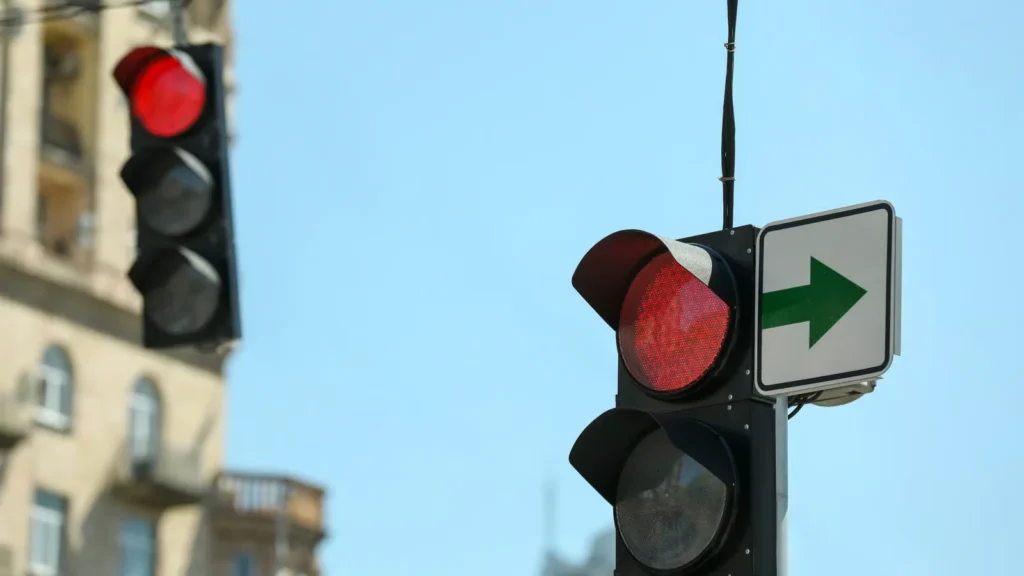
A right turn on red is one of the most common driving situations in the United States, but it is also a source of confusion for many drivers. Some motorists assume they can always turn right after stopping at a red light, while others avoid it completely because they are unsure about the rules.
The basic idea is simple: in many parts of the United States, drivers are allowed to make a right turn at a red traffic signal after coming to a complete stop and yielding when necessary. However, this permission is not automatic everywhere, and state laws may include specific restrictions.
Understanding when a right turn on red is allowed helps drivers follow traffic laws, avoid violations, and make safer decisions at intersections.
What Does Right Turn on Red Mean?
A right turn on red allows a driver facing a red traffic signal to turn right after stopping, instead of waiting for the light to turn green.
This rule exists in many U.S. states because it can improve traffic flow by allowing drivers to proceed when the intersection is clear.
However, a red light still means stop. Drivers must treat the signal as a required stop before deciding whether a turn is permitted.
A driver who turns right on red without stopping or without yielding may violate traffic laws and create a dangerous situation.
Basic Right Turn on Red Rules in the United States
Although details vary by state, the general process for making a legal right turn on red usually includes these steps:
1. Come to a Complete Stop
The vehicle must stop before:
- The stop line.
- The crosswalk.
- The intersection if there are no markings.
A rolling stop is not considered a proper stop.
2. Check for Restrictions
Before turning, drivers should look for signs that prohibit the turn, such as:
- “No Turn on Red” signs.
- Temporary traffic restrictions.
- Special restrictions at certain intersections.
If a sign prohibits right turns on red, drivers must wait for a green light.
3. Yield to Other Road Users
After stopping, drivers must yield to:
- Pedestrians crossing legally.
- Bicyclists traveling through the intersection.
- Vehicles with the right of way.
- Traffic approaching from other directions.
A right turn on red is allowed only when it can be completed safely.
4. Make the Turn Carefully
Drivers should check traffic conditions, turn into the correct lane, and continue following all traffic rules after entering the roadway.
Are Right Turns on Red Legal in Every State?
Right turns on red are allowed in most U.S. states, but the exact rules differ.
Some states allow right turns on red unless a sign specifically prohibits them. Other states have additional restrictions, especially in certain cities or at intersections with heavy pedestrian traffic.
For example:
- Some states require drivers to stop completely and then turn only when safe.
- Some states allow local governments to restrict right turns at specific intersections.
- Some states have special rules involving red arrows or dedicated turn signals.
Because traffic laws are controlled primarily at the state level, drivers should check their state’s official driver handbook for the most accurate information.
Right Turn on Red by State: Important Differences
There is no single nationwide rulebook that covers every detail of right turns on red. While the general practice is similar across the country, drivers should understand that state-specific differences exist.
Examples of differences include:
States With Restrictions on Specific Intersections
Many states allow right turns on red but permit transportation agencies or local authorities to install “No Turn on Red” signs where needed.
These restrictions are common near:
- Busy pedestrian areas.
- School zones.
- Downtown intersections.
- Locations with limited visibility.
States With Special Red Arrow Rules
A red arrow is treated differently from a standard red light in many states.
In some locations, a red arrow means drivers cannot make the indicated turn until the signal changes. However, rules for red arrows can vary, so drivers should follow posted signs and their state’s traffic laws.
States With Urban Restrictions
Some cities have added restrictions on right turns on red because of pedestrian safety concerns. Drivers should pay attention to local signs when traveling in unfamiliar areas.
When You Cannot Turn Right on Red
A driver should not make a right turn on red in several common situations.
A “No Turn on Red” Sign Is Posted
This is the clearest restriction. The sign means drivers must wait for a green light.
Pedestrians Are Crossing
Even if the light allows the turn, pedestrians have priority in many crossing situations. Drivers must wait until the crossing area is clear.
Traffic Does Not Allow a Safe Turn
Drivers should never force a turn because they feel they have waited too long. If traffic is approaching or visibility is poor, waiting is the safer choice.
The Intersection Has Special Signal Rules
Some intersections have unusual designs, including separate turn signals or restricted movements. Drivers should follow the posted signs and signals.
Right Turn on Red With a Red Arrow
Many drivers are unsure whether they can turn right on a red arrow.
The answer depends on state law and local rules. In some places, a red arrow specifically prohibits the turn. In others, certain turns may still be allowed if signs permit it.
Drivers should never assume that a red arrow works exactly like a regular red light. When a red arrow appears, check for signs and follow the instructions provided at that intersection.
Common Right Turn on Red Mistakes
Failing to Stop Completely
One of the most common mistakes is slowing down but not coming to a full stop. A complete stop is required before making the turn.
Looking Only for Vehicles
Drivers sometimes check traffic but forget about pedestrians and cyclists. Intersections require awareness in every direction.
Turning Without Checking for Signs
A driver may assume right turn on red is allowed everywhere. Always look for posted restrictions.
Turning Into the Wrong Lane
After completing the turn, drivers should enter the appropriate lane according to traffic rules. Wide turns or improper lane changes can create conflicts.
Feeling Pressured by Drivers Behind Them
A driver behind you may expect you to turn, but you are responsible for making a safe and legal decision. It is acceptable to wait if conditions are not safe.
How New Drivers Should Practice Right Turns on Red
New drivers can build confidence by practicing in lower-traffic areas first.
Helpful habits include:
- Approach the intersection slowly.
- Identify signs before stopping.
- Make a complete stop.
- Look left, right, and ahead.
- Check for pedestrians and bicycles.
- Turn only when there is enough space.
Learning the process is more important than simply memorizing that right turns on red are allowed.
Frequently Asked Questions About Right Turn on Red
Can you always turn right on red in the United States?
No. Right turns on red are allowed in many locations, but restrictions exist. Drivers must follow posted signs and state-specific rules.
Do you have to stop before turning right on red?
Yes. A complete stop is required before making a right turn on red where it is allowed.
Do pedestrians have the right of way during a right turn on red?
Yes, drivers must yield to pedestrians crossing legally and ensure the intersection is clear before turning.
Can you turn right on red from any lane?
Not always. Drivers must follow lane markings, signs, and local traffic rules. Some intersections require a specific lane for right turns.
Is right turn on red the same in every state?
No. The general concept is similar across the country, but states and local jurisdictions may have different restrictions and requirements.
Conclusion
Right turn on red rules help drivers move through intersections more efficiently, but they require careful attention and good judgment. A red light always requires a stop, and a turn should only happen after checking signs, yielding to others, and confirming that the movement is safe.
Because traffic laws can vary by state, drivers should learn the specific requirements where they live and pay attention when traveling in different areas. A cautious approach to right turns on red helps prevent crashes and creates safer roads for everyone.
Related guides