Yield Sign Rules: When Do You Have to Stop?

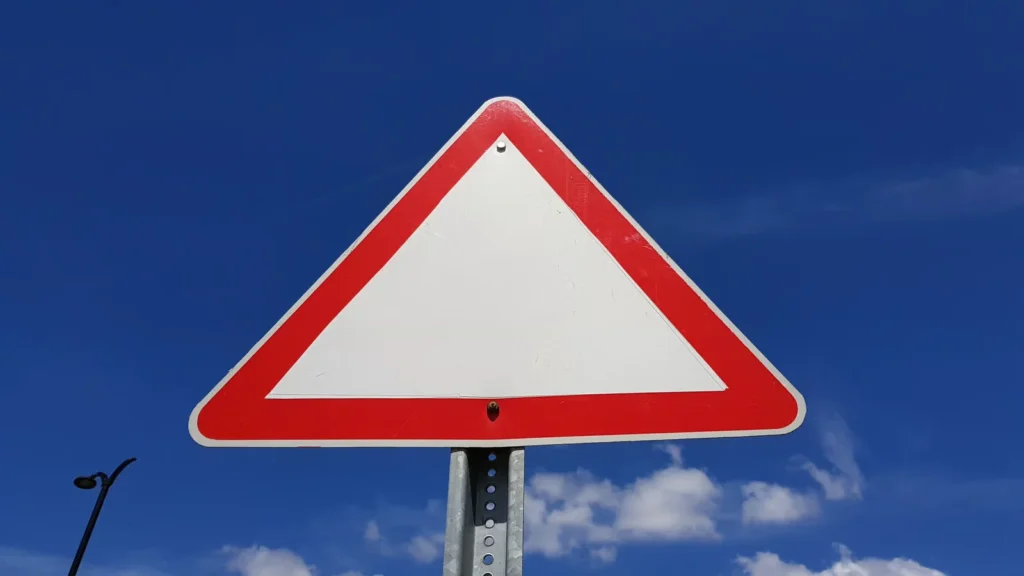
Yield signs are an important part of traffic control in the United States. They help drivers safely merge, enter intersections, navigate roundabouts, and share the road with other vehicles and pedestrians.
Many new drivers misunderstand yield signs because they are not always a complete stop requirement. Unlike a stop sign, a yield sign does not automatically require drivers to stop every time. Instead, it requires drivers to slow down, evaluate the situation, and give priority to other road users when necessary.
Understanding when to stop at a yield sign and when you can continue helps drivers make safer decisions and avoid traffic violations. While many yield rules are similar across the United States, specific laws can vary by state, so drivers should always review their state’s official driver handbook.
What Does a Yield Sign Mean?
A yield sign tells drivers to give the right of way to other vehicles, pedestrians, or cyclists when they may create a conflict.
The standard yield sign is a red and white upside-down triangle. It is used in situations where traffic needs to merge or where one roadway must give priority to another.
A yield sign does not mean “slow down only.” It means drivers must be prepared to stop if necessary.
For example, a driver entering a roundabout must yield to vehicles already inside. If traffic is approaching, the driver must wait. If the roadway is clear, the driver may continue without stopping.
Do You Have to Stop at a Yield Sign?
The answer depends on traffic conditions.
You must stop at a yield sign when:
- Another vehicle has the right of way.
- Pedestrians are crossing or preparing to cross where they have priority.
- Traffic conditions make entering unsafe.
- Visibility is limited and you cannot safely determine whether another road user is approaching.
You do not necessarily need to stop when:
- The roadway is clear.
- No vehicles or pedestrians have priority.
- You can safely enter without affecting other traffic.
The purpose of a yield sign is not to force unnecessary stops. It is designed to keep traffic moving while requiring drivers to give priority when needed.
Yield Sign vs. Stop Sign: What Is the Difference?
A common question among new drivers is how yield signs differ from stop signs.
Stop Sign
A stop sign requires drivers to:
- Come to a complete stop.
- Check traffic.
- Proceed only when allowed.
A driver must stop even if no other traffic is present.
Yield Sign
A yield sign requires drivers to:
- Slow down.
- Check for other road users.
- Stop only when necessary.
A driver may continue without stopping if the intersection or roadway is clear.
The key difference is that a stop sign always requires a full stop, while a yield sign requires a driver to give priority when needed.
Common Situations Where You See Yield Signs
Yield signs appear in many everyday driving situations.
Entering a Roundabout
Roundabouts commonly use yield signs to control entering traffic.
Drivers approaching a roundabout must yield to vehicles already circulating inside. Enter only when there is a safe opening.
Example:
A vehicle approaches a roundabout and sees another vehicle already traveling around the circle. The approaching driver must wait until the other vehicle passes before entering.
Merging Onto Another Road
Some entrance ramps and merging areas use yield signs to require drivers to give priority to existing traffic.
Drivers entering a roadway should:
- Adjust speed safely.
- Check for approaching vehicles.
- Wait if there is not enough space.
A yield sign does not mean drivers should enter slowly and force other vehicles to brake.
Turning Onto a Busier Road
A yield sign may appear where a smaller road meets a larger roadway.
Drivers must wait for traffic already traveling on the main road before entering.
Pedestrian Crossings
Some pedestrian crossings use yield signs to remind drivers to give priority to people crossing.
Drivers should slow down and be prepared to stop when pedestrians are present.
Yielding at Intersections Without Stop Signs
Some intersections use yield signs instead of stop signs to control traffic flow.
A driver approaching the yield sign must determine whether another vehicle has priority. If another vehicle is approaching closely or already entering the intersection, the driver must wait.
How to Properly Approach a Yield Sign
A safe approach involves more than simply slowing down at the last moment.
Drivers should:
Reduce Speed Early
Approaching too quickly can make it difficult to react to traffic conditions.
Look for Traffic and Pedestrians
Check:
- Left and right for vehicles.
- Crosswalks for pedestrians.
- Bike lanes for cyclists.
- Road markings and signs.
Decide Whether Stopping Is Necessary
If traffic has priority, stop and wait. If the path is clear, continue carefully.
Enter Only When Safe
A driver should never force another road user to slow down or change direction because they failed to yield.
Who Has the Right of Way at a Yield Sign?
The driver facing the yield sign must give priority to traffic that could conflict with their movement.
Depending on the situation, this may include:
- Vehicles already on the roadway.
- Vehicles already inside a roundabout.
- Pedestrians crossing legally.
- Bicyclists using the roadway or crossing areas where they have priority.
A yield sign places responsibility on the driver approaching the sign to evaluate the situation.
Common Yield Sign Mistakes
Treating a Yield Sign Like a Stop Sign
Some drivers stop every time, even when the road is empty. While stopping unnecessarily is not always dangerous, it can interrupt traffic flow and may create confusion.
Treating a Yield Sign Like a Warning Sign
Other drivers slow slightly but fail to give priority. This is a serious mistake because it can force other drivers or pedestrians into unsafe situations.
Looking Only One Direction
Drivers often focus only on vehicle traffic and forget to check for pedestrians or cyclists.
Entering Too Quickly
A driver who approaches a yield sign too fast may not have enough time to identify hazards.
Assuming Other Drivers Will Stop
A safe driver does not rely completely on others following the rules. Defensive driving means staying alert.
Yield Signs and Right of Way Rules
Yield signs are closely connected to right-of-way rules. They do not give drivers permission to proceed first. Instead, they tell drivers when they must allow others to go first.
For example:
- A vehicle entering a roundabout must yield to vehicles already inside.
- A driver merging onto a highway must yield to traffic already traveling on that highway.
- A driver approaching a yield-controlled intersection must wait if another vehicle has priority.
Understanding right of way makes yield signs easier to interpret.
Frequently Asked Questions About Yield Signs
Do you always have to stop at a yield sign?
No. You only need to stop when necessary to allow other vehicles, pedestrians, or cyclists with the right of way to proceed safely.
What happens if you do not yield?
Failing to yield can result in a traffic violation and may cause a crash. Penalties vary by state.
Who goes first at a yield sign?
The driver who does not have the yield sign generally has priority. The driver facing the yield sign must wait until it is safe to proceed.
Is slowing down enough at a yield sign?
Not always. If another road user has priority, you must stop and wait.
Are yield sign rules the same in every state?
The general meaning of a yield sign is similar throughout the United States, but specific traffic laws and penalties vary by state.
Conclusion
Yield signs help organize traffic by requiring drivers to recognize when another road user has priority. They are different from stop signs because they do not require a complete stop in every situation.
The safest approach is to slow down, observe carefully, and be ready to stop whenever necessary. By understanding how yield signs work, drivers can handle intersections, merges, and roundabouts with greater confidence and awareness.
Related guides