Passing Rules in the United States: When Is It Legal?

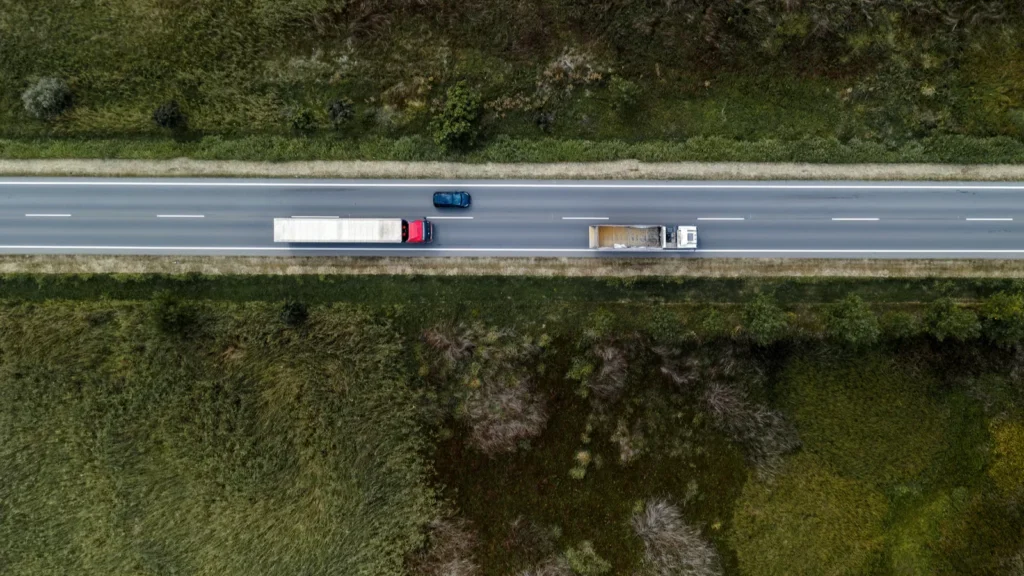
Passing another vehicle is a normal part of driving in the United States, especially on highways, rural roads, and areas with slower-moving traffic. However, passing must always be done carefully and legally. Many serious crashes happen when drivers pass in unsafe locations, misjudge another vehicle’s speed, or fail to recognize when passing is prohibited.
Passing rules are designed to protect everyone on the road by controlling when and where drivers can move around other vehicles. While many passing principles are similar throughout the United States, specific laws, road markings, and penalties can vary by state.
Understanding when passing is allowed, when it is prohibited, and how to pass safely is an essential skill for every driver.
What Does Passing Mean?
Passing occurs when one vehicle moves around another vehicle traveling in the same direction.
Most passing situations involve moving into another lane, often into a lane used by opposing traffic on two-lane roads. Because passing requires additional space and judgment, drivers must evaluate road conditions before attempting it.
A legal pass requires:
- Adequate visibility.
- Enough space to complete the maneuver.
- Compliance with traffic signs and pavement markings.
- Consideration of other road users.
A driver should never pass simply because another vehicle is moving slower than they would prefer.
When Is Passing Legal in the United States?
Passing is generally legal when conditions are safe and traffic laws allow it.
A driver may usually pass when:
- The road ahead is clearly visible.
- There is enough distance to complete the pass safely.
- No signs prohibit passing.
- Pavement markings allow a lane change.
- The vehicle being passed is not already preventing a safe maneuver.
Before passing, drivers should check mirrors, signal their intention, and make sure there is no vehicle approaching from the opposite direction.
Passing on the Left: The Standard Rule
In most situations, drivers should pass another vehicle on the left.
Passing on the left is common because:
- Drivers generally travel slower in the right lane.
- It provides better visibility.
- It reduces conflicts with vehicles entering or exiting the roadway.
On multi-lane roads, drivers should normally use the left lane for passing and return to the right lane when the pass is complete, unless traffic conditions or local rules require otherwise.
Some states have specific “keep right” laws requiring slower traffic to stay right except when passing.
Passing on Two-Lane Roads
Two-lane roads require extra caution because passing often involves entering a lane used by vehicles traveling in the opposite direction.
Before passing on a two-lane road, drivers should:
- Check that the road ahead is clear.
- Confirm there are no curves, hills, intersections, or other hazards limiting visibility.
- Check mirrors and blind spots.
- Signal before changing lanes.
- Return to the original lane when safely clear.
A driver should never begin a pass if there is uncertainty about whether enough space exists.
Understanding Pavement Markings and Passing Rules
Road markings provide important information about whether passing is allowed.
Broken Yellow Line
A broken yellow line generally means passing may be allowed when it is safe.
Drivers must still consider traffic, visibility, and other hazards before passing.
Solid Yellow Line
A solid yellow line generally indicates that passing is restricted for traffic traveling next to that line.
Double Yellow Lines
Double yellow lines usually separate traffic traveling in opposite directions. In many situations, crossing these lines to pass is prohibited.
However, exact rules can vary by state, and certain exceptions may exist, such as turning into a driveway or avoiding an obstruction where legally permitted.
When Is Passing Illegal?
Drivers should not pass in situations where visibility, space, or traffic conditions make the maneuver unsafe.
Common no-passing situations include:
Approaching a Curve or Hill
Drivers need enough visibility to see approaching vehicles. Passing near curves or hills can be dangerous because oncoming traffic may not be visible until it is too late.
Near Intersections
Many states restrict passing near intersections because vehicles may enter from different directions unexpectedly.
At Railroad Crossings
Passing near railroad crossings can create dangerous situations because drivers may need to stop suddenly and trains require significant distance to stop.
In School Zones
School areas often have additional restrictions because children may enter the roadway unexpectedly.
When Signs Prohibit Passing
“No Passing Zone” signs indicate areas where passing is not allowed. Drivers must follow these restrictions.
Passing on the Right: When Is It Allowed?
Passing on the right is more limited than passing on the left.
In many states, passing on the right may be allowed when:
- The vehicle ahead is turning left.
- There are multiple lanes traveling in the same direction.
- The roadway provides enough space for a safe maneuver.
Passing on the right is generally not allowed by driving onto a shoulder or an area outside the normal travel lane.
Drivers should check their state laws because specific rules for passing on the right vary.
Passing on Highways and Interstates
Highways and interstates have different passing conditions because they involve multiple lanes and higher speeds.
Safe highway passing practices include:
- Check mirrors before changing lanes.
- Signal early.
- Check blind spots.
- Maintain a safe following distance.
- Avoid staying in the left lane longer than necessary when passing.
Drivers should remember that faster traffic does not automatically have the right to exceed speed limits. Passing must still follow posted speed regulations.
How to Pass Another Vehicle Safely
A safe passing maneuver requires preparation and awareness.
Check Traffic Conditions
Before passing, look ahead and behind your vehicle. Make sure another driver is not already attempting to pass you.
Signal Your Intentions
Use your turn signal before moving into another lane. Signaling helps other drivers understand your actions.
Accelerate Smoothly
A pass should be completed efficiently. Staying beside another vehicle for an extended time increases risk.
Maintain a Safe Distance
Do not follow too closely before passing. Give yourself enough space to see clearly and react.
Return When Safe
Move back into your lane only after you can see the passed vehicle in your rearview mirror and there is enough distance between vehicles.
Common Passing Mistakes Drivers Make
Passing Without Enough Visibility
A driver may underestimate how quickly an approaching vehicle is closing distance.
Passing Near Dangerous Areas
Curves, hills, intersections, and narrow roads require extra caution.
Speeding During a Pass
Some drivers increase speed significantly while passing. Speed limits still apply during passing maneuvers.
Staying in the Passing Lane
After completing a pass, drivers should return to the appropriate lane when it is safe.
Assuming Other Drivers Will React Correctly
Defensive driving means preparing for unexpected actions from other motorists.
Frequently Asked Questions About Passing Rules
Is it legal to pass another car over a solid yellow line?
In many situations, crossing a solid yellow line to pass is prohibited. However, exact rules and exceptions vary by state.
Can you pass a vehicle on the right?
Sometimes. Passing on the right may be allowed in specific situations, but drivers should follow state laws and avoid using unsafe areas such as shoulders.
Is speeding allowed while passing?
No. Passing does not create an exception to posted speed limits.
How do you know when passing is allowed?
Drivers should check road signs, pavement markings, visibility, and traffic conditions before passing.
Is passing allowed at intersections?
Rules vary by state, but passing near intersections is often restricted because of increased risks from turning vehicles and cross traffic.
Conclusion
Passing is a driving skill that requires good judgment, patience, and awareness. Legal passing is not only about finding an opportunity to get around another vehicle; it is about making sure the maneuver can be completed safely.
Drivers should follow pavement markings, obey posted signs, and avoid passing whenever visibility or traffic conditions are uncertain. By understanding U.S. passing rules and practicing defensive driving habits, motorists can reduce risks and make safer decisions on every road.
Related guides