Flashing Red Light vs Flashing Yellow Light Explained

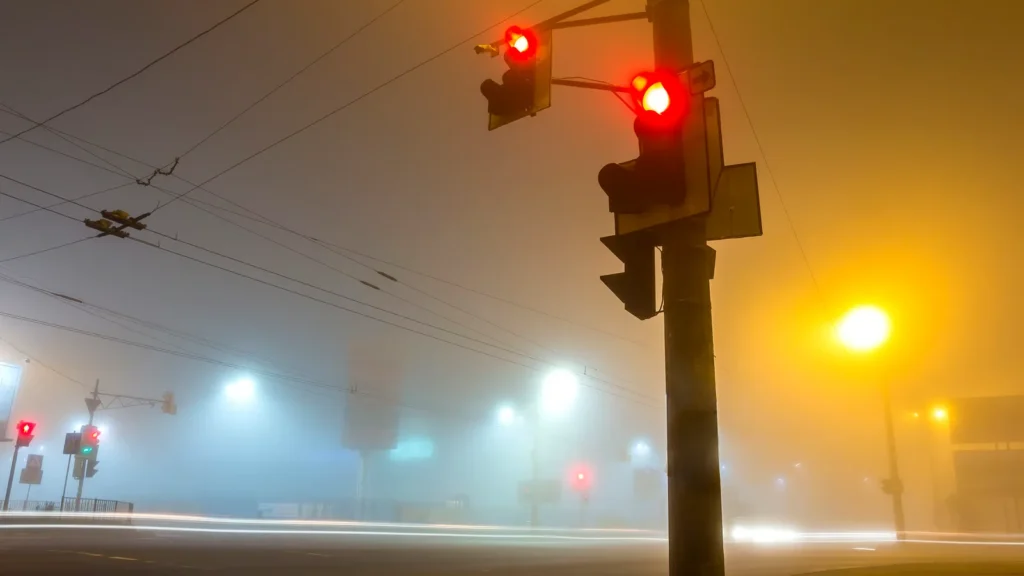
Flashing traffic lights are designed to communicate important instructions quickly, but many drivers are unsure about the difference between a flashing red light and a flashing yellow light. Understanding these signals is essential because each one requires a different response.
A flashing red light means drivers must stop and follow rules similar to a stop sign. A flashing yellow light means drivers should slow down, proceed carefully, and yield when necessary.
These signals are commonly used at intersections during lower traffic periods, when a traffic signal is malfunctioning, or when transportation agencies want to change how an intersection operates. While the general meaning of these signals is consistent across the United States, specific traffic laws and enforcement practices can vary by state.
Knowing how to respond correctly helps drivers avoid conflicts, improve safety, and make better decisions on the road.
What Does a Flashing Red Light Mean?
A flashing red light means stop.
Drivers approaching a flashing red signal must come to a complete stop before entering the intersection. After stopping, they may proceed only when the intersection is clear and they have the right of way.
A flashing red light is treated similarly to a stop sign in most U.S. traffic laws.
When approaching a flashing red light, drivers should:
- Stop completely.
- Check for vehicles approaching from other directions.
- Yield to vehicles and pedestrians with the right of way.
- Enter the intersection only when it is safe.
A driver should not treat a flashing red light like a warning signal or simply slow down without stopping.
What Does a Flashing Yellow Light Mean?
A flashing yellow light means slow down and proceed with caution.
Unlike a flashing red light, a flashing yellow light does not require a complete stop if the intersection is clear. However, drivers must remain alert and be prepared to yield if another road user has priority.
When approaching a flashing yellow light, drivers should:
- Reduce speed.
- Look carefully for cross traffic.
- Watch for pedestrians and cyclists.
- Continue only when it is safe.
A flashing yellow light tells drivers that they may proceed, but they should not assume they automatically have the right of way.
Flashing Red Light vs. Flashing Yellow Light: Key Differences
The main difference between these two signals is whether a complete stop is required.
| Signal | Driver Action |
|---|---|
| Flashing Red Light | Stop completely, then proceed when safe |
| Flashing Yellow Light | Slow down, check traffic, and proceed carefully |
A flashing red light creates a stop-and-yield situation. A flashing yellow light creates a caution situation.
When Are Flashing Traffic Lights Used?
Flashing signals are used in several situations across the United States.
During Late-Night or Low Traffic Hours
Some intersections change from regular traffic signals to flashing signals when traffic volume is lower.
A common arrangement is:
- One direction receives a flashing yellow signal.
- The other direction receives a flashing red signal.
The flashing yellow direction usually represents the main road, while the flashing red direction requires drivers to stop before entering.
When Traffic Signals Are Malfunctioning
If a traffic signal is not operating normally, drivers may encounter flashing lights or other unusual conditions.
The required response can depend on state law. In many states, a completely dark traffic signal is treated differently from a flashing signal, often requiring drivers to treat the intersection as an all-way stop.
Drivers should use caution and follow local traffic rules.
At Special Intersections
Some intersections use flashing signals because of unique conditions, such as:
- Railroad crossings.
- School zones.
- Pedestrian crossings.
- Areas with changing traffic patterns.
Drivers should always pay attention to signs near flashing signals.
Who Has the Right of Way at a Flashing Red Light?
A flashing red light follows stop sign rules.
After stopping, drivers must determine who has priority.
Common situations include:
Four-Way Flashing Red Intersection
If all directions have flashing red signals, drivers should follow four-way stop rules:
- The first vehicle to stop generally goes first.
- If vehicles arrive at the same time, the driver on the left generally yields to the driver on the right.
State laws may differ, so drivers should check their local traffic rules.
Turning at a Flashing Red Light
Drivers turning at a flashing red light must follow normal right-of-way rules.
For example, a driver turning left must yield to oncoming traffic unless another traffic control device provides different instructions.
Who Has the Right of Way at a Flashing Yellow Light?
A flashing yellow light usually allows drivers to continue without stopping, but drivers must still yield when another road user has priority.
For example:
- A driver approaching a flashing yellow light on a main road may continue through the intersection.
- A driver entering from a side road with a flashing red light must stop and yield.
However, drivers should never assume a flashing yellow light guarantees a clear path. Other vehicles may make mistakes, and pedestrians may still be crossing.
Common Mistakes With Flashing Red and Yellow Lights
Treating a Flashing Red Light Like a Flashing Yellow Light
Some drivers slow down but do not stop at flashing red signals. This can create dangerous conflicts because cross traffic may expect them to remain stopped.
Treating a Flashing Yellow Light Like a Green Light
A flashing yellow light does not mean drivers can speed through an intersection. Drivers must slow down and check for hazards.
Ignoring Pedestrians
Both flashing red and flashing yellow intersections require drivers to watch for pedestrians and yield when required.
Assuming Other Drivers Understand the Signal
Not every driver reacts correctly. Defensive drivers stay alert and avoid relying entirely on others.
Failing to Reduce Speed
Even when a complete stop is not required, approaching too quickly can limit reaction time.
Flashing Red and Flashing Yellow Arrow Signals
Drivers may also see flashing arrow signals, which have their own meanings.
Flashing Yellow Arrow
A flashing yellow arrow generally allows drivers to make a turn after yielding to oncoming traffic and pedestrians.
For example, a flashing yellow left arrow usually means drivers may turn left but must wait for a safe gap.
Flashing Red Arrow
Rules for flashing red arrows can vary depending on state regulations and signal design. Drivers should follow posted signs and local traffic laws.
Because arrow signals can differ from standard circular lights, drivers should pay close attention to the exact signal displayed.
How New Drivers Should Handle Flashing Lights
New drivers should approach flashing signals with a safety-focused mindset.
A good approach includes:
- Identify the signal color early.
- Reduce speed before reaching the intersection.
- Check for signs or special instructions.
- Look for vehicles, pedestrians, and cyclists.
- Proceed only when the situation is clear.
The goal is not simply to memorize the signal colors but to understand the action each signal requires.
Frequently Asked Questions About Flashing Traffic Lights
Do you have to stop at a flashing red light?
Yes. A flashing red light requires a complete stop before proceeding when it is safe.
Can you go through a flashing yellow light without stopping?
Yes, if the intersection is clear. However, drivers must slow down and proceed carefully.
Is a flashing red light the same as a stop sign?
In most U.S. traffic systems, a flashing red light is treated similarly to a stop sign.
Who goes first at a four-way flashing red light?
Drivers should follow four-way stop rules. The first vehicle to stop generally proceeds first, and simultaneous arrivals are typically handled by yielding to the driver on the right.
Are flashing light rules the same in every state?
The general meanings are consistent across the United States, but specific laws and penalties may vary by state.
Conclusion
Understanding the difference between flashing red and flashing yellow lights is an important driving skill. A flashing red light requires a complete stop, while a flashing yellow light requires caution and careful observation.
These signals are designed to make intersections safer, but they only work when drivers understand and follow them correctly. By recognizing the difference and applying proper right-of-way rules, drivers can navigate these situations with greater confidence and awareness.
Related guides