Right of Way Rules Explained: Who Goes First?

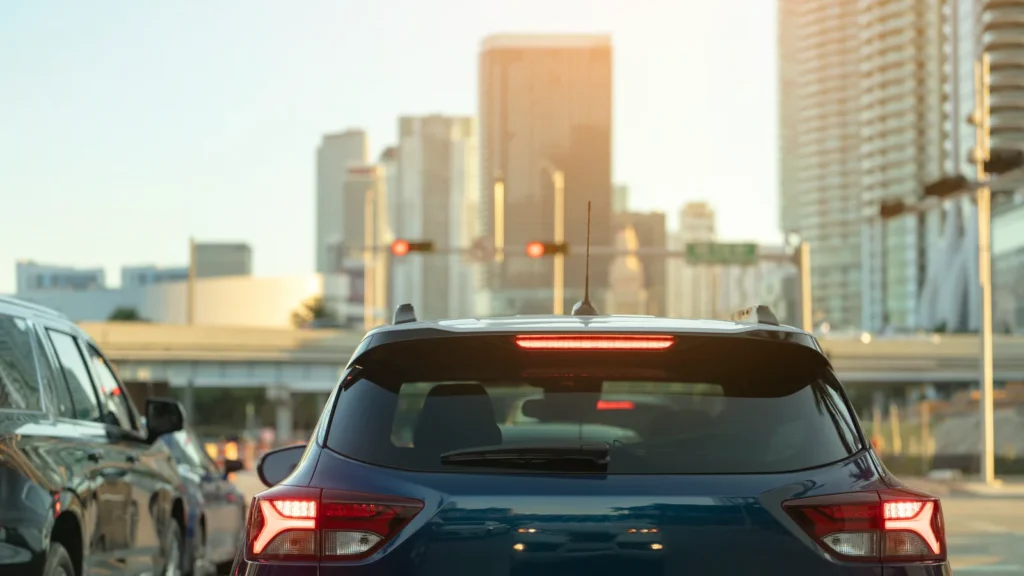
Understanding right of way rules is one of the most important parts of becoming a safe and confident driver in the United States. Many traffic conflicts, near crashes, and intersection mistakes happen because drivers are unsure who should proceed first.
Right of way refers to which driver, pedestrian, cyclist, or other road user has the legal priority to move through a traffic situation. However, having the right of way does not mean a driver can proceed without caution. Safe driving requires awareness, communication, and the willingness to yield when necessary to prevent a collision.
Traffic laws vary somewhat from state to state, so drivers should always review their state driver handbook for specific requirements. However, many right of way principles are commonly taught throughout the United States and apply in everyday driving situations.
What Does Right of Way Mean?
Right of way is the legal ability to proceed before another road user in a specific traffic situation. It helps organize movement on roads, intersections, and crossings so drivers can predict what others will do.
The term does not mean a driver owns the road or has automatic protection from responsibility. Even when a driver has priority, they must still drive carefully and avoid crashes when possible.
For example, if a driver has a green traffic light but another vehicle enters the intersection illegally, the driver with the green light should take reasonable action to avoid a collision.
Basic Right of Way Rules at Intersections
Intersections are where right of way questions occur most often. Understanding common intersection rules helps drivers make safer decisions.
Drivers Must Yield When Required by Signs or Signals
Traffic signs and signals establish priority at many intersections.
A driver approaching a stop sign must come to a complete stop and yield to vehicles and pedestrians who have the right of way. A driver approaching a yield sign must slow down and allow other road users to proceed if necessary.
Traffic lights also control right of way:
- A green light generally allows drivers to proceed if the intersection is clear.
- A yellow light warns that the signal is changing and drivers should prepare to stop if it is safe.
- A red light requires drivers to stop unless a legal exception applies, such as a permitted right turn on red where allowed.
Drivers should always check for pedestrians, bicycles, emergency vehicles, and other hazards before entering an intersection.
The Four-Way Stop Rule: Who Goes First?
Four-way stops are common in residential areas, parking areas, and smaller roads. The basic rule is:
The first vehicle to stop is usually the first vehicle allowed to proceed.
If two vehicles arrive at the same time, the driver on the left should yield to the driver on the right.
For example:
- Two cars stop at the same time.
- One car is on the left side of the intersection.
- The other car is on the right side.
The driver on the left should allow the driver on the right to go first.
When multiple vehicles arrive at nearly the same time, drivers should communicate through eye contact, hand signals, or cautious movement. It is safer to confirm another driver’s intention than to assume.
Right of Way When Turning Left
Left turns are one of the most common situations where drivers must yield.
In most situations, a driver turning left must yield to:
- Oncoming vehicles traveling straight.
- Oncoming vehicles turning right.
- Pedestrians crossing the street.
For example, if you are waiting to turn left at an intersection with a green light, you must allow approaching traffic to pass before completing your turn unless you have a protected left-turn signal.
A common mistake is starting a left turn because the driver believes they have waited long enough. Patience is important because an oncoming vehicle may be closer or traveling faster than it appears.
Right of Way for Pedestrians
Pedestrians generally have strong protections under U.S. traffic laws. Drivers must yield to pedestrians in crosswalks and at intersections where pedestrian crossing rules apply.
Drivers should:
- Stop for pedestrians who are crossing legally.
- Avoid blocking crosswalks.
- Watch carefully near schools, parks, and residential neighborhoods.
- Slow down when visibility is limited.
State laws differ regarding pedestrian right of way details, but drivers should always prioritize safety when people are walking near traffic.
Right of Way for Emergency Vehicles
When emergency vehicles approach with flashing lights and sirens, drivers must yield.
Common actions include:
- Moving to the right side of the roadway when safe.
- Stopping until the emergency vehicle passes.
- Avoiding sudden lane changes that could create additional danger.
Drivers should also be aware of “move over” laws in many states, which require motorists to change lanes or slow down when approaching stopped emergency, service, or maintenance vehicles with warning lights.
Because these laws differ by state, drivers should check their local requirements.
Right of Way in Roundabouts
Roundabouts are becoming more common throughout the United States because they can improve traffic flow and reduce certain types of crashes.
The general rule is:
Vehicles already inside the roundabout have the right of way. Drivers entering the roundabout must yield to circulating traffic.
When approaching a roundabout:
- Slow down.
- Look for traffic already inside.
- Yield when necessary.
- Enter when there is a safe gap.
- Continue in the correct lane and exit carefully.
A common mistake is stopping inside a roundabout when there is no reason to stop. Drivers should keep moving while following traffic rules.
Right of Way at Uncontrolled Intersections
An uncontrolled intersection is an intersection without stop signs, yield signs, or traffic signals.
Rules for these intersections can vary by state, but a commonly taught principle is that the driver who arrives first has priority. If vehicles arrive at the same time, the driver on the left generally yields to the driver on the right.
However, drivers should approach uncontrolled intersections carefully because another driver may not know the rule or may fail to yield.
Reducing speed and being prepared to stop can prevent crashes.
Common Right of Way Mistakes Drivers Make
Many right of way errors happen because drivers make assumptions. Common mistakes include:
Assuming Another Driver Will Yield
A driver may legally have the right of way but still need to avoid a dangerous situation. Always watch what other vehicles are doing instead of relying only on the rules.
Confusing Courtesy With Right of Way
Sometimes a driver waves another vehicle through even when it is not their turn. While courtesy is helpful, unexpected actions can confuse other drivers.
Drivers should follow traffic rules first and communicate clearly.
Failing to Check for Pedestrians and Cyclists
Intersections require attention in every direction. Looking only for cars can cause drivers to miss pedestrians or cyclists who also have legal protections.
Frequently Asked Questions About Right of Way
Who has the right of way at a four-way stop?
The vehicle that arrives first generally goes first. If two vehicles arrive at the same time, the driver on the left yields to the driver on the right. State laws may vary, so drivers should consult their state driver handbook for specific rules.
Does having the right of way mean I can go first no matter what?
No. Right of way does not remove a driver’s responsibility to drive safely. Drivers must still avoid collisions when possible.
Who has the right of way when turning left?
A driver turning left usually must yield to oncoming traffic and pedestrians unless a protected turn signal gives permission to proceed.
Do pedestrians always have the right of way?
Pedestrian right of way rules depend on the situation and state law, but drivers are generally required to yield to pedestrians crossing legally and should always use caution around people walking near traffic.
Are right of way laws the same in every state?
No. Many basic principles are similar across the United States, but specific rules, penalties, and exceptions can differ by state.
Conclusion
Right of way rules help drivers share the road safely by creating predictable patterns of movement. Understanding when to proceed and when to yield can reduce confusion and prevent dangerous situations.
The safest drivers do more than memorize rules. They observe their surroundings, anticipate mistakes from others, and make careful decisions even when they have priority. By understanding common right of way situations, drivers can navigate intersections, turns, and crossings with greater confidence and responsibility.
Related guides