USA Traffic Signs Meaning Guide: Understanding Common Road Signs for Safer Driving

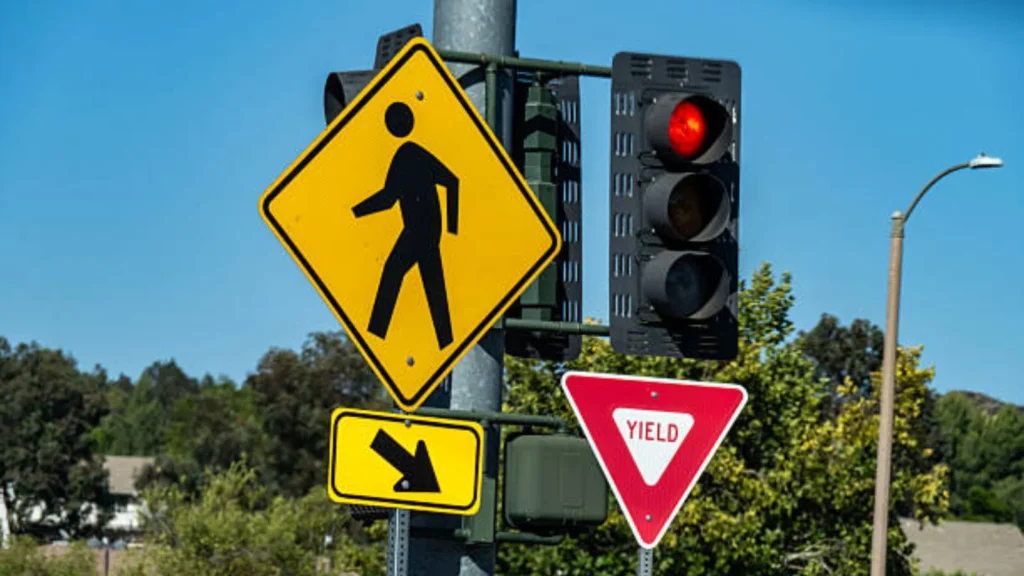
Driving safely in the United States starts with understanding traffic signs. Whether you're a new driver, preparing for a learner's permit test, moving from another country, or simply refreshing your knowledge, recognizing road signs is essential for making safe decisions behind the wheel.
Traffic signs help regulate traffic, warn drivers about potential hazards, and provide important guidance about routes, services, and road conditions. While the general design of U.S. traffic signs follows national standards established by the Federal Highway Administration (FHWA) through the Manual on Uniform Traffic Control Devices (MUTCD), individual states may have additional signs or slightly different traffic laws. Knowing the meaning behind the most common signs can help you drive confidently and responsibly wherever your travels take you.
Why Traffic Signs Matter
Traffic signs create a common language for everyone on the road. Drivers, pedestrians, cyclists, and road workers all rely on consistent signs to communicate important information.
Understanding traffic signs helps you:
- Make safer driving decisions.
- Reduce the risk of collisions.
- Follow traffic laws.
- Prepare for driver's license knowledge exams.
- Respond appropriately to changing road conditions.
Ignoring or misunderstanding a sign can result in traffic violations, crashes, or dangerous situations for yourself and others.
Understanding Traffic Sign Colors
One of the easiest ways to recognize a sign's purpose is by its color.
Red: Stop, Yield, and Prohibited Actions
Red signs indicate actions that require immediate attention. They commonly include:
- Stop signs
- Yield signs
- Do Not Enter signs
- Wrong Way signs
For example, if you approach a red STOP sign, you must come to a complete stop at the marked stop line, crosswalk, or before entering the intersection. State laws determine the exact right-of-way rules after stopping.
Yellow: Warnings Ahead
Yellow signs alert drivers to unexpected road conditions or changes ahead.
Common warning signs include:
- Sharp curves
- School crossings
- Pedestrian crossings
- Deer crossings
- Slippery roads
- Traffic signals ahead
These signs encourage drivers to slow down and prepare for changing conditions.
Orange: Temporary Work Zones
Orange signs warn of construction or maintenance activities.
You may see signs indicating:
- Road work ahead
- Lane closures
- Detours
- Flagger ahead
Work zone speed limits and enforcement vary by state, so always pay close attention to posted signs.
Green: Direction and Guidance
Green signs provide navigation information such as:
- Highway exits
- Street names
- Distances
- Route numbers
- Destination guidance
These signs help drivers reach their destinations safely and efficiently.
Blue: Driver Services
Blue signs identify helpful services, including:
- Gas stations
- Rest areas
- Hospitals
- Food
- Lodging
They are especially useful during long-distance travel.
Brown: Recreation and Cultural Sites
Brown signs direct travelers to:
- National parks
- State parks
- Historic landmarks
- Campgrounds
- Scenic areas
These signs are common near recreational destinations.
Common Regulatory Signs Every Driver Should Know
Regulatory signs tell drivers what they must or must not do.
Stop Sign
The red octagonal STOP sign is one of the most recognizable signs in the United States.
Drivers must:
- Come to a complete stop.
- Check for pedestrians and cross traffic.
- Proceed only when it is safe and when they have the legal right-of-way.
Rolling through a stop sign is a traffic violation in every state.
Yield Sign
A triangular Yield sign means you must slow down and be prepared to stop if necessary.
If other vehicles or pedestrians have the right-of-way, you must allow them to proceed before entering or crossing the roadway.
Speed Limit Sign
Speed limit signs display the maximum legal speed under normal driving conditions.
However, drivers are still expected to reduce speed when weather, traffic, visibility, or road conditions make the posted limit unsafe.
Speed limits vary by state, road type, and local ordinances.
Do Not Enter
This sign indicates that vehicles may not enter from that direction.
It commonly appears at:
- Exit ramps
- One-way streets
- Restricted roadways
Entering past this sign can create an extremely dangerous situation.
One Way
A One Way sign tells drivers that traffic flows only in the indicated direction.
Always follow the posted direction to avoid driving against traffic.
Important Warning Signs
Warning signs prepare drivers for conditions requiring extra attention.
Curve Ahead
This sign warns that the road changes direction.
Reduce your speed before entering the curve rather than braking sharply while turning.
Pedestrian Crossing
Drivers should watch carefully for people crossing the roadway and be prepared to stop if required by state law.
These signs are common near schools, parks, downtown areas, and shopping districts.
School Zone
School zone signs indicate areas where children may be present.
Many school zones have reduced speed limits during specific hours. These schedules vary by state and local jurisdiction, so always obey the posted signs and flashing signals when present.
Railroad Crossing
Railroad crossing signs alert drivers that train tracks are ahead.
Never drive around lowered crossing gates or attempt to cross if a train is approaching.
Guide Signs That Help You Navigate
Guide signs provide information that helps drivers reach destinations safely.
Examples include:
- Interstate highway numbers
- U.S. highway markers
- State route markers
- Exit numbers
- Mileage signs
- Airport directions
Many interstate exits are numbered according to mile markers, making it easier to estimate travel distances.
Understanding Traffic Sign Shapes
Shape also provides important clues.
- Octagon: Stop
- Triangle (point downward): Yield
- Diamond: Warning
- Rectangle: Regulatory or guidance information
- Pentagon: School zone or school crossing
- Circle: Railroad crossing warning
Learning both colors and shapes allows drivers to recognize signs quickly, even in poor weather or low-light conditions.
Tips for Remembering Traffic Signs
Drivers often find it easier to remember signs by grouping them according to their purpose rather than memorizing each one individually.
Some helpful strategies include:
- Learn colors before individual signs.
- Practice recognizing signs during everyday driving.
- Review your state's driver's handbook before licensing exams.
- Pay attention to new signs introduced during roadway improvements.
- Understand the reason behind each sign rather than relying solely on memorization.
Regular exposure helps build quick recognition and safer driving habits.
Do Traffic Signs Differ Between States?
Most U.S. traffic signs are standardized because they follow the Manual on Uniform Traffic Control Devices (MUTCD), which promotes consistency across the country.
However, states may use additional signs, supplemental plaques, or state-specific roadway markings. Traffic laws associated with certain signs—such as right turns on red, school zone enforcement, or work zone penalties—may also differ.
Whenever you drive in a different state, it's a good idea to review any unique traffic laws before your trip.
Frequently Asked Questions
Final Thoughts
Traffic signs are one of the foundations of safe driving in the United States. By understanding the meaning of different colors, shapes, and sign categories, drivers can react more quickly, follow traffic laws, and reduce the risk of collisions.
Although traffic signs are largely standardized nationwide, traffic laws can vary from state to state. Always follow posted signs, stay alert to changing road conditions, and consult your state's official driver's handbook for rules that apply where you drive. A solid understanding of traffic signs not only helps you pass a licensing exam but also contributes to safer roads for everyone.
Related guides